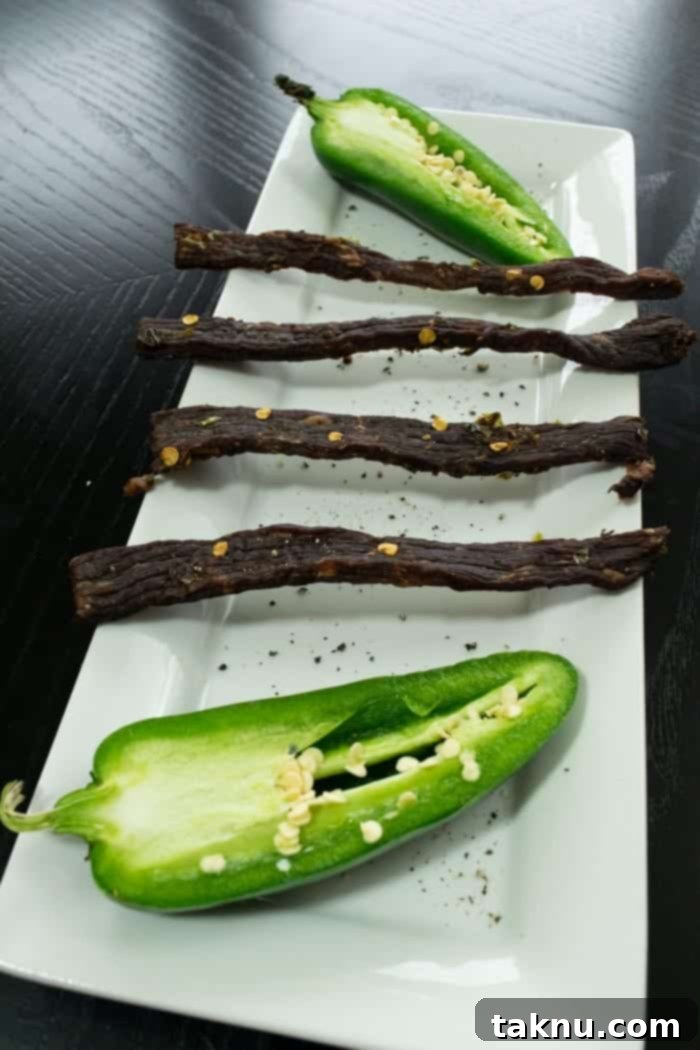
Ultimate South Texas Jalapeño Beef Jerky Recipe: Homemade & Spicy
South Texans have an undeniable passion for their jalapeños, and this homemade jerky recipe is expertly crafted to satisfy that exact craving! If you’re a fan of intensely flavored, spicy jerky with the vibrant kick of a fresh jalapeño pepper, then you’ve found your new favorite snack.
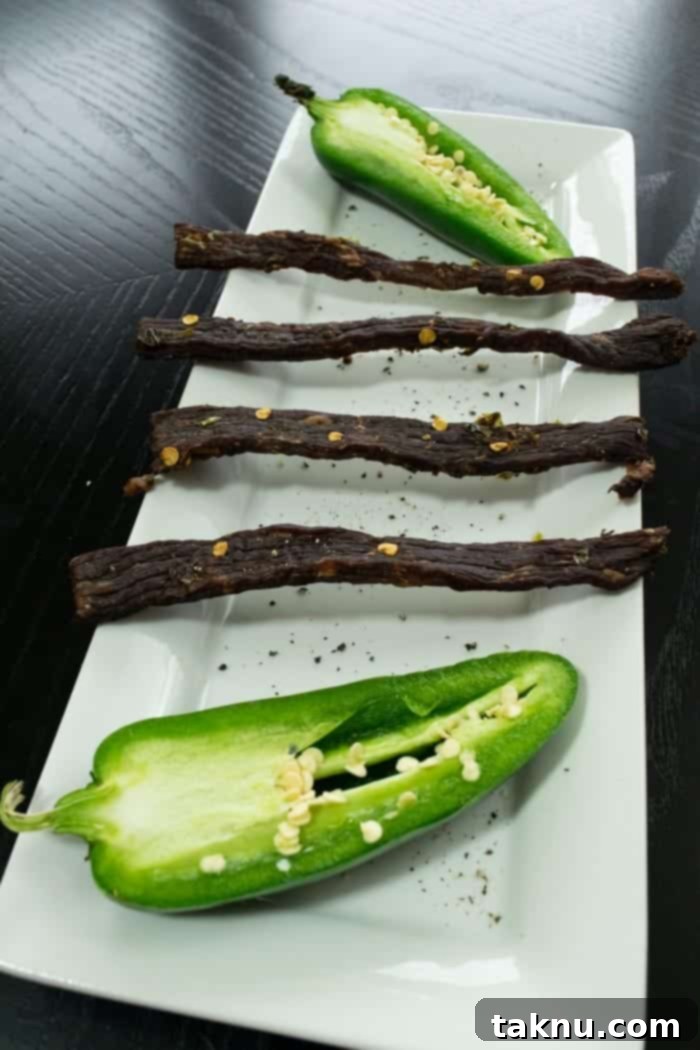
Original Post Date: April 8th, 2015 – Recipe updated with enhanced instructions and new photos!
In Texas, beef jerky isn’t just a casual snack; it’s a culinary tradition deeply ingrained in the state’s rich history. For generations, beef jerky served as a vital, high-protein food source, enabling cowboys and travelers to endure long treks across the vast, rugged terrains between towns. Far from being merely a treat, jerky was once an essential staple in the Lone Star State, playing a critical role in daily sustenance and survival.
Choosing and Slicing the Perfect Beef for Your Jalapeño Jerky
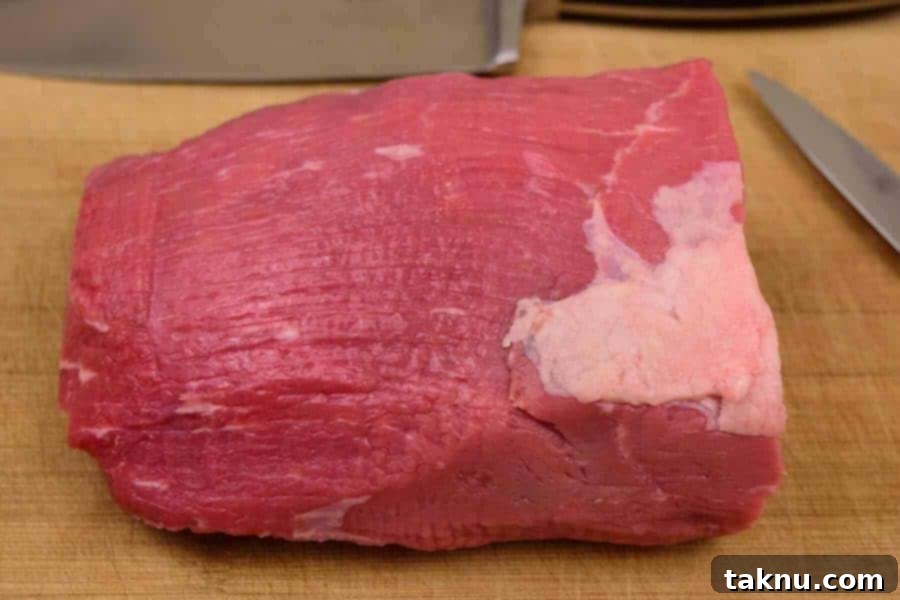
The journey to crafting exceptional homemade jerky begins with selecting the right cut of beef. For this particular South Texas Jalapeño Jerky recipe, we highly recommend using Beef Eye of Round. This lean cut is celebrated for its low fat content and firm texture, making it ideal for drying into perfect jerky strips. However, your options aren’t limited! You can explore a comprehensive guide to the best cuts of meat for making beef jerky by clicking here, allowing you to choose a cut that perfectly aligns with your preferred jerky consistency and flavor.
Essential Preparation: Trimming All Visible Fat
Before you begin slicing, a critical step is to meticulously trim away all visible fat from your chosen beef roast. Fat appears as white streaks or layers on the meat, as demonstrated in the image below. This step is non-negotiable for two primary reasons: firstly, fat spoils considerably faster than lean meat, drastically reducing the shelf life of your finished jerky. Secondly, fat can contribute an off-flavor and a greasy texture to the dried product. By removing as much fat as possible at this stage, you ensure your homemade jerky remains shelf-stable and delicious for longer.
Mastering the Slice: Grain Direction and Consistency
Once your beef is perfectly trimmed, it’s time for slicing. The direction you slice in relation to the meat’s grain will significantly impact the final chewiness of your jerky. To achieve a more tender, easier-to-chew jerky, slice the meat against the grain. If you prefer a more traditional, tougher, and chewier texture that requires a bit more effort to bite through, slice with the grain. The choice is entirely yours, depending on your personal preference.
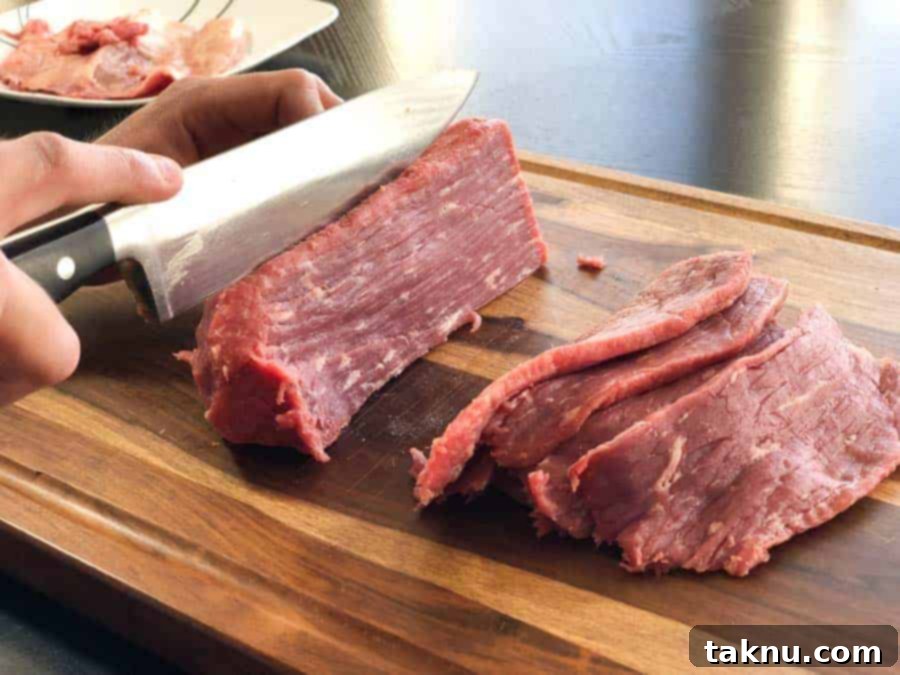
Strive for uniform strips, ideally between ¼” and ⅛” thick. Consistency in thickness is paramount, as it ensures that all your jerky pieces dry evenly and are ready at the same time. Unevenly sliced meat can lead to some pieces being over-dried and brittle, while others remain too moist. For a significantly easier slicing experience, especially with softer cuts, we recommend wrapping the beef roast tightly in plastic wrap and placing it in the freezer for 1-2 hours until it is partially frozen but not completely solid. This firms up the meat, allowing for cleaner, more precise cuts.
While a high-quality, sharp knife is perfectly adequate, a dedicated jerky slicer is an invaluable piece of equipment. It excels at producing consistently even strips with minimal effort, making the preparation phase much quicker and more efficient. If you’re serious about regular jerky making, it’s a worthwhile investment.
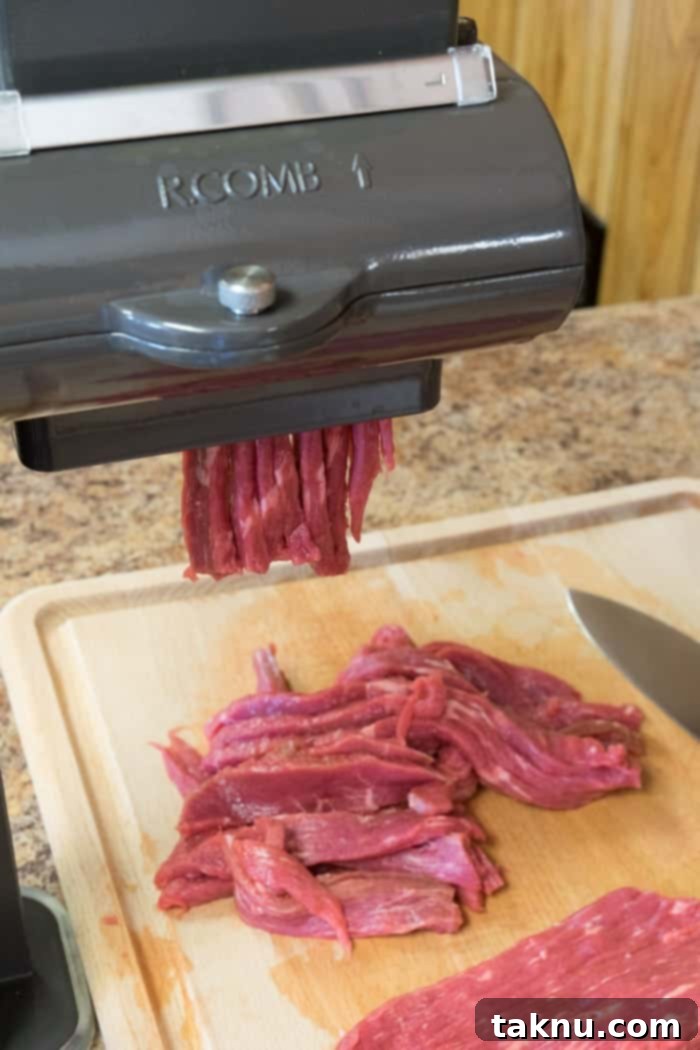
Still pondering the best way to slice your meat or need more in-depth information on preparing beef for jerky? We’ve created a comprehensive resource just for you. Visit our detailed page on Slicing Meat for Jerky, where you’ll discover everything you need to know to achieve perfect jerky slices every time.
Crafting the Irresistible South Texas Jalapeño Marinade
This sensational jerky recipe boasts an array of delicious ingredients, but the undisputed star of the show is, without a doubt, the fresh jalapeño pepper. For those who, like true South Texans, absolutely adore a spicy jerky, we highly recommend keeping the seeds and the white pith (also known as the veins or placenta) within your jalapeños. This is where the majority of the capsaicin—the chemical compound responsible for a pepper’s heat—is concentrated, giving your beef snack that unforgettable, fiery kick.
If you’re curious about the science behind a pepper’s heat and want to understand precisely where the spiciness resides, this fascinating article from The Atlantic offers an excellent explanation. Knowing this empowers you to easily customize the heat level of your homemade jerky: simply remove more seeds and pith if you prefer a milder flavor, or leave them in for maximum fire!
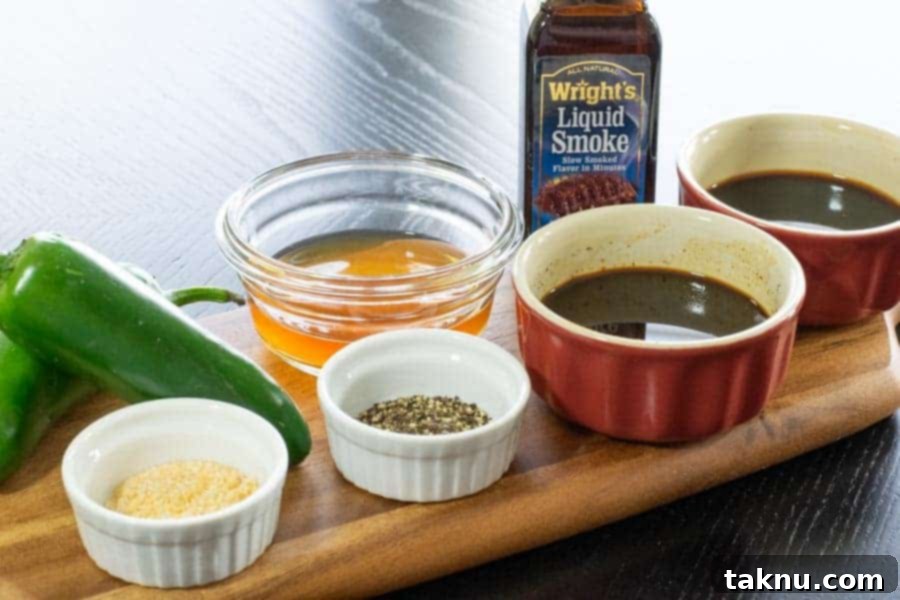
Blending for Optimal Flavor Infusion
To ensure you extract the maximum flavor from those fresh jalapeños and perfectly integrate all the marinade ingredients, a high-quality blender is an essential tool. Simply add all the marinade components to your blender and process until the jalapeños are finely minced. The smaller the jalapeño pieces, the better they will adhere to the beef strips, ensuring every single bite of jerky is bursting with that authentic South Texas heat and flavor. For my own jerky batches, I trust my VitaMix Blender; while these blenders represent a significant investment, their unmatched power and efficiency make them absolutely indispensable in my kitchen.
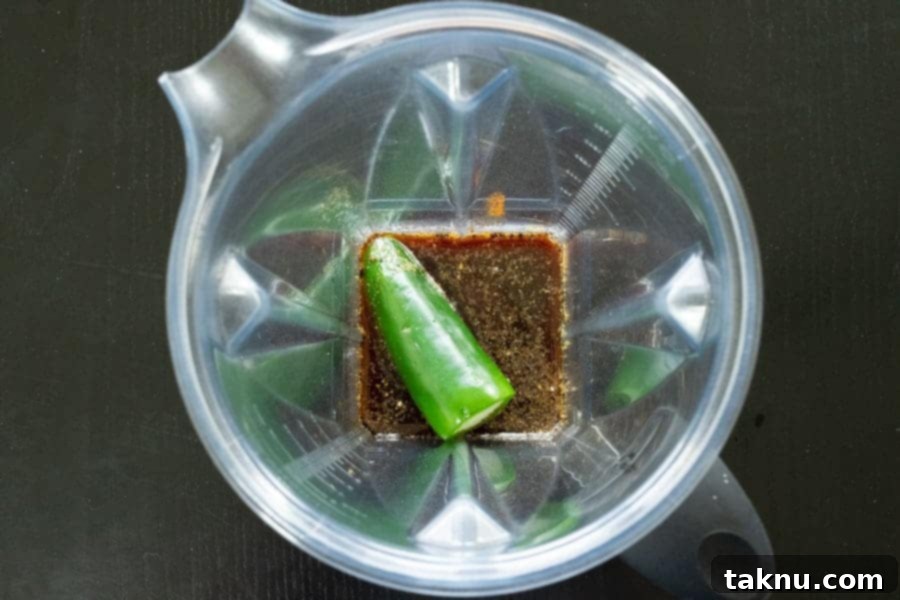
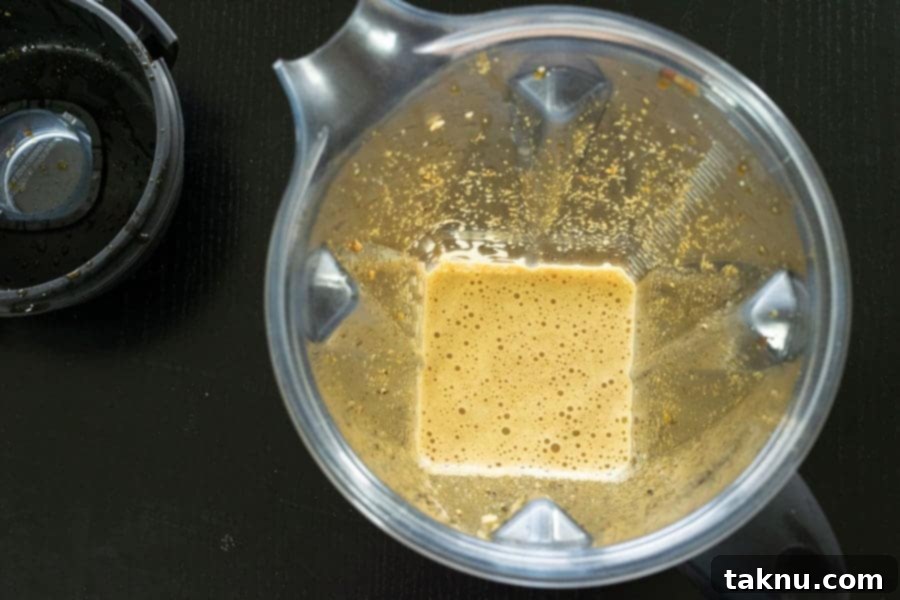
Continue blending until all the ingredients are thoroughly mixed and the jalapeño pieces are as small as possible. This fine consistency ensures uniform flavor distribution and allows the spice to penetrate every fiber of the meat. Important Note for Spice Control: If you prefer a less spicy jerky, be sure to remove the seeds and white pith from your jalapeños before adding them to the blender.
Craving more delicious jerky inspiration? Dive into our extensive collection of dozens of great-tasting jerky recipes – click here to discover your next favorite!
The Marinating Process: Flavor Deep Dive
Once your rich, spicy marinade is perfectly blended, add your earlier-sliced beef strips to it. Ensure every piece is thoroughly coated by mixing them well within the marinade, typically in a sturdy zip-lock bag. Place the bag in the refrigerator and allow the meat to marinate for an optimal period of 6 to 24 hours. Generally, the longer the meat soaks in the marinade, the more intensely the flavors will penetrate and infuse the beef, resulting in a deeper, more robust jerky flavor. A critical food safety reminder: Always marinate meat in the refrigerator to prevent bacterial growth and ensure the meat remains safe for consumption. Never marinate at room temperature.
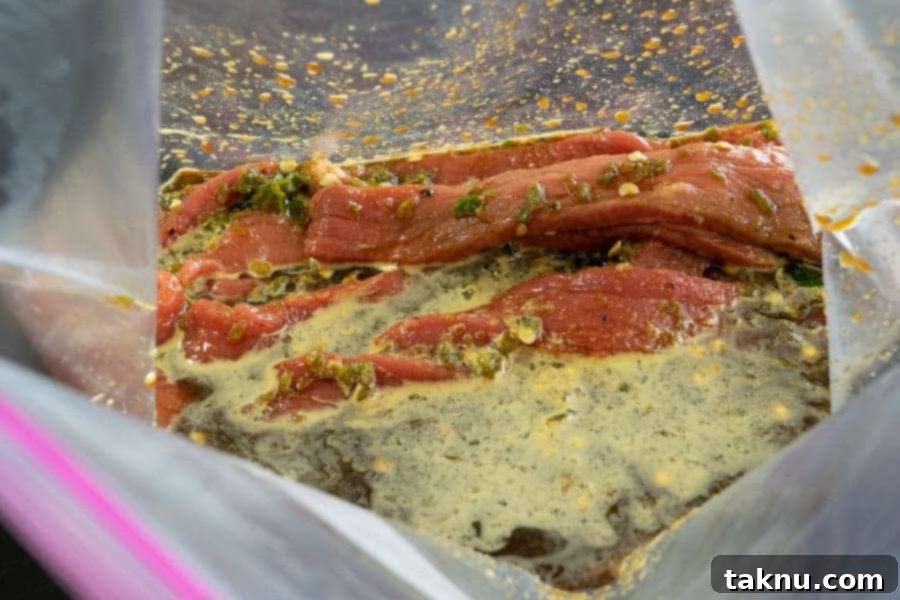
Just look at those finely minced bits of jalapeño clinging to the beef strips – a tantalizing preview of the spicy, savory goodness that awaits!
Mastering the Drying Process for Perfect Jalapeño Jerky
After your beef strips have marinated to perfection – for this particular batch, we allowed a generous 20-hour marinating period for maximum flavor depth – it’s time to prepare them for drying. Begin by straining any excess marinade from the meat using a colander. This crucial step helps prevent the jerky from becoming overly moist and sticky, setting the stage for an optimal drying process. Remember, the extended marination contributes significantly to the intense flavor profile of your final jerky!
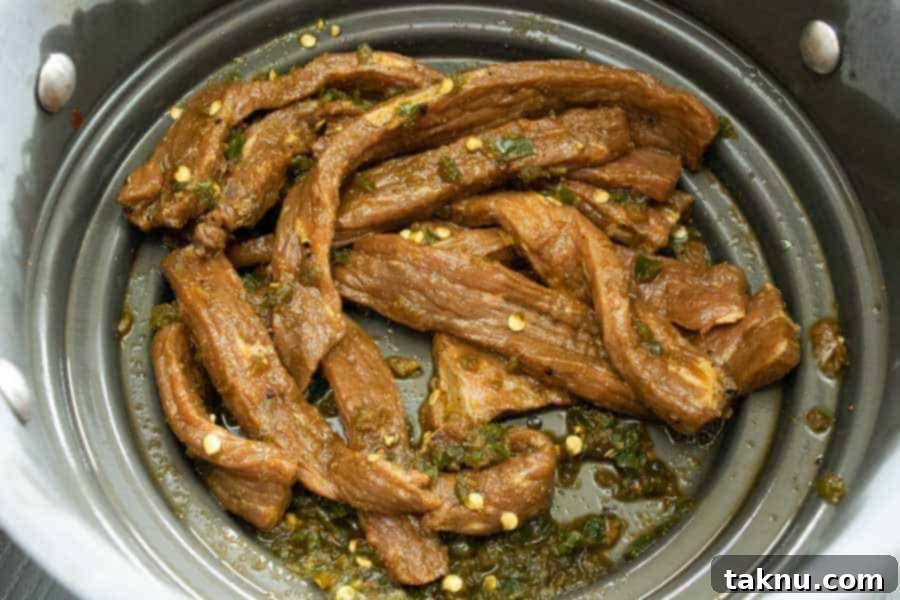
The Importance of Patting Dry
Before placing the marinated meat into your dehydrator, oven, or smoker, lay the individual strips out on layers of paper towels. Gently but thoroughly pat each side dry to remove any remaining surface moisture from the marinade. This seemingly small step is incredibly effective in accelerating the drying process and is essential for preventing the jerky from having an undesirable ‘sticky’ or gummy texture once it’s finished drying. A dry surface allows for more efficient moisture evaporation.
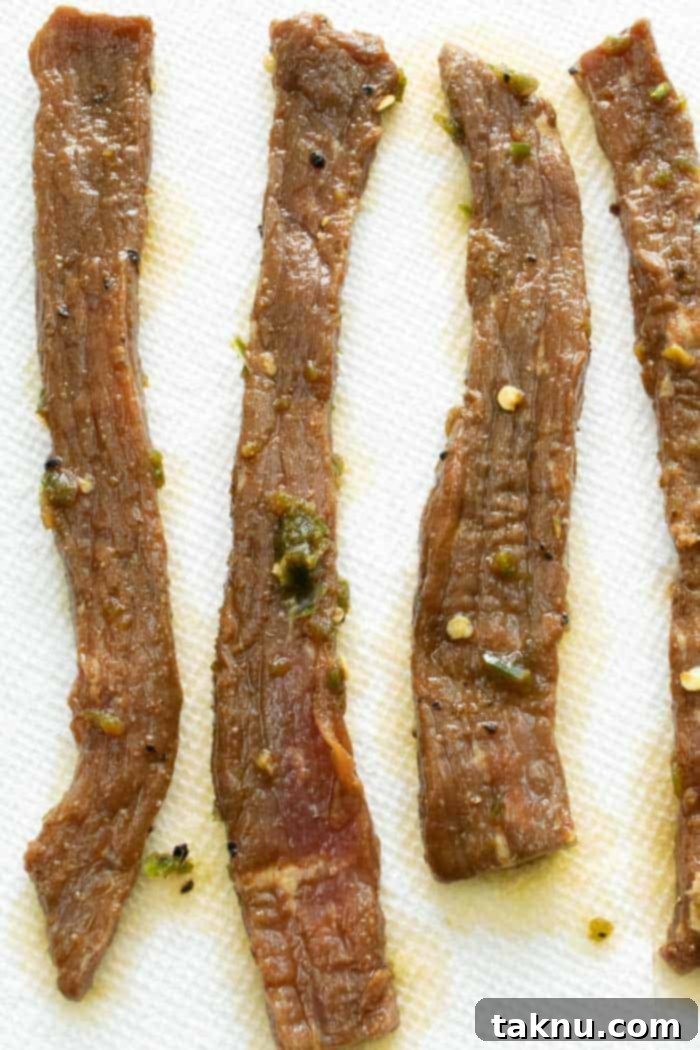
Your Preferred Drying Method: Dehydrator, Oven, or Smoker
Now, carefully arrange the prepared beef strips on your dehydrator trays, oven racks, or smoker grates. Ensure that the strips are spaced out and not overlapping or touching, allowing for unrestricted airflow around each piece. This even spacing is vital for consistent and efficient drying. For more comprehensive, detailed instructions on how to effectively dry your jerky using various methods, we invite you to explore our dedicated Jerky Making Methods Page.
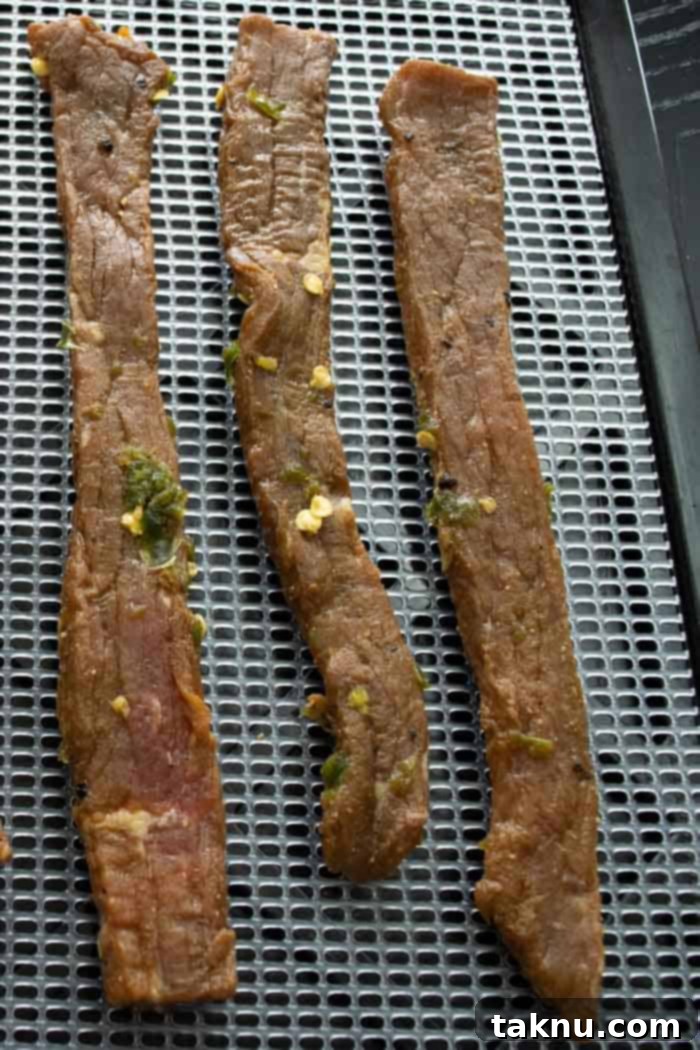
For the batch featured in this recipe, an Excalibur Dehydrator (similar to the high-quality model shown below) was employed. The jerky was dried for an initial 3 hours at 165°F, followed by an additional 1 hour at 145°F. This two-stage temperature approach ensures food safety while achieving the perfect dried consistency.
Crucial Jerky Safety Information: It is absolutely essential that your beef jerky reaches an internal temperature of 160°F during the drying process. This temperature is necessary to effectively kill any potential harmful bacteria, such as E. coli or Salmonella, making your jerky safe to consume. The 3 hours at 165°F in a dehydrator like the Excalibur is designed to achieve this critical internal temperature. If your specific dehydrator model does not reach 160°F, or if you’re using a smoker that operates at lower temperatures, you can pre-heat the meat in a conventional oven at 275°F for 10-15 minutes until it reaches 160°F internally before transferring it to your drying apparatus. For more in-depth guidance on safe jerky making practices, please refer to our comprehensive page on jerky safety.
In the market for a new dehydrator to perfect your jerky? Check out our detailed Dehydrator Reviews – Click Here to help you make an informed decision and find the best model for your needs.
Knowing When Your Homemade Jerky is Perfectly Finished
During the drying process, it’s important to begin testing for doneness around the 3 to 4-hour mark, especially if you’re using a dehydrator or oven. To conduct the test, carefully remove a single piece of jerky from your drying equipment and allow it to cool for about 5 minutes to reach room temperature. This cooling period is vital, as jerky tends to feel softer when warm and will firm up as it cools.
The Bend Test: Your Reliable Doneness Indicator
Once cooled, bend the jerky piece in half. Properly dried jerky should bend significantly and show visible signs of cracking or tearing along the fold, but it absolutely should not snap or break cleanly into two separate pieces. You will also notice white fibers appearing within the meat at the point of the bend. These fibers become even more pronounced and visible when you actually tear a piece of the jerky in half. If the jerky breaks cleanly, it indicates that it is likely over-dried and overly brittle. Conversely, if it simply bends without any cracking or still feels too soft and pliable, it requires additional drying time.
If your jerky hasn’t reached the ideal consistency, return it to your dehydrator, oven, or smoker for another hour, then repeat the cooling and bend test. Continue this process until the jerky is perfectly done to your liking. Typically, about 90% of the jerky I make is finished within 4-6 hours when using a dehydrator or oven. When utilizing a smoker, the drying time usually extends to 6-9 hours due to the lower, more ambient heat. Interestingly, if you pre-heat the meat in a conventional oven to ensure food safety before transferring it to a dehydrator, the total drying time can be significantly reduced, sometimes to as little as 2.5 hours!
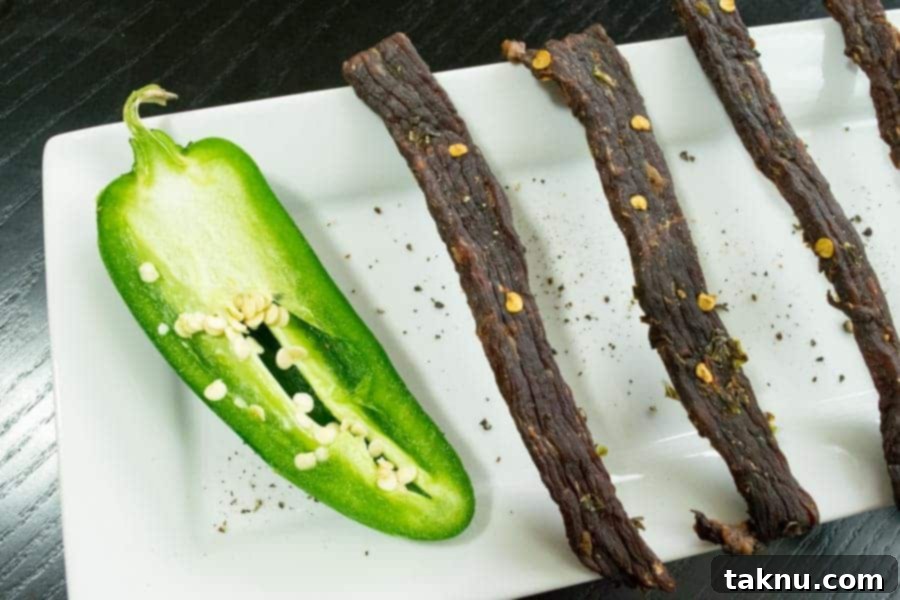
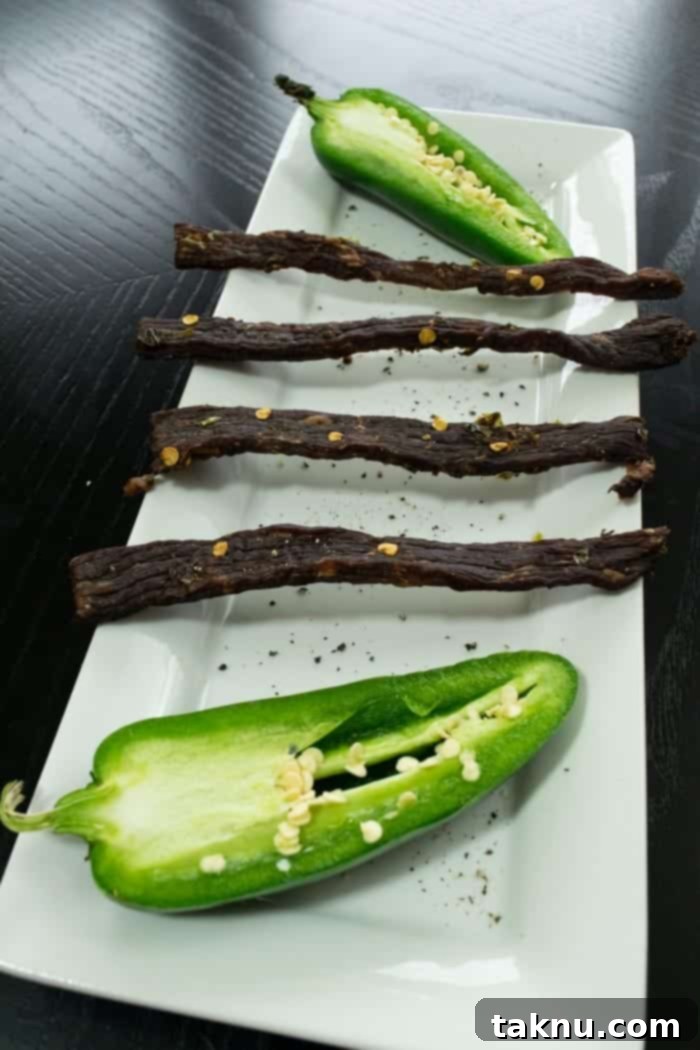
This authentic South Texas Jalapeño Jerky recipe, truly a creation born from a deep love for bold flavors, perfectly embodies the spirit of Texan spice. By incorporating fresh jalapeños directly into the marinade, we unlock that distinct, vibrant South Texas jalapeño flavor. The base of this recipe uses my absolute favorite cut of meat for jerky, eye of round, providing the ideal lean canvas. To elevate the heat and complexity even further, a generous topping of dried ground jalapeño powder is added as a finishing touch. Remember: If you’re seeking an even more potent and fiery kick, be sure to leave the seeds and the white pith in your fresh jalapeños when you prepare the marinade!
Optimal Storage for Maximizing Your Jerky’s Shelf Life
To ensure your delicious homemade jerky remains fresh and safe to enjoy for as long as possible, proper storage methods are crucial. Incorporating curing salt (such as Prague Powder #1) into your marinade is highly recommended, as it acts as a powerful preservative, significantly inhibiting bacterial growth and enhancing shelf stability. Once your jerky is completely dried and fully cooled to room temperature, store it in airtight containers. Options include heavy-duty zip-lock bags, vacuum-sealed bags, or glass jars with tightly fitting lids. Preventing exposure to air and moisture is key to preventing spoilage. For even longer-term storage, consider refrigerating your jerky for several weeks or freezing it for several months. We’ve put together a comprehensive resource on how long beef jerky stays good, outlining various steps you can take to extend the shelf life of your homemade jerky. Don’t let your hard work go to waste!
Expert Jerky Making Tips for Success
- Trim All Fat Thoroughly: Always remove every trace of visible fat from your beef before marinating. This is the most crucial step to prevent spoilage and ensure your jerky has a long, stable shelf life once dried.
- Utilize Curing Agents: For enhanced food safety and an extended shelf life, incorporate curing salt (like Prague Powder #1) or celery juice powder into your marinade recipe.
- Maximize Flavor with Extended Marination: For the deepest, most intense flavor penetration, aim to marinate your beef for closer to the full 24-hour mark.
- Blender for Superior Flavor Infusion: Using a powerful blender to prepare your marinade ensures that the jalapeño and other flavor compounds are finely minced and thoroughly incorporated, adhering better to the meat strips.
- Control Your Spice Level: To achieve a hotter, spicier jerky, make sure to leave the seeds and the white pith (veins) in your jalapeños before blending them into the marinade. For a milder flavor, remove them.

For more detailed, step-by-step instructions on various jerky drying methods, explore these essential guides:
How to Make Beef Jerky in a Dehydrator
How to Make Beef Jerky in a Smoker
How to Make Beef Jerky in an Oven
South Texas Jalapeño Jerky Recipe
Pin Recipe
Ingredients
Lean Beef:
- 1 lb eye of round
Marinade:
- ¼ cup worcestershire sauce
- ¼ cup soy sauce
- 1 teaspoon garlic powder
- 1 teaspoon black pepper
- ½ teaspoon sea salt
- ½ cup beef broth
- 1 diced jalapeno
- 2 teaspoon liquid smoke (mesquite)
Optional:
- ¼ teaspoon Curing Salt (Prague Powder #1)
Topping:
- ½ tablespoon ground jalapeno pepper
Equipment
Instructions
- Choose a lean cut of beef, such as eye of round, and carefully trim off all visible fat. For easier, more precise slicing, wrap the trimmed beef in plastic wrap and place it in the freezer for 1-2 hours until it’s partially frozen but not solid.
- While the meat is firming up in the freezer, prepare your bold marinade. Combine Worcestershire sauce, soy sauce, garlic powder, black pepper, sea salt, beef broth, liquid smoke (mesquite), and the diced jalapeño (including seeds and pith for extra spice, or removed for milder flavor) in a blender. Blend thoroughly until the jalapeño pieces are very fine and the mixture is well combined. Pour this flavorful marinade into a large zip-lock bag.
- Once the meat has partially frozen, remove it from the freezer. Using a very sharp knife or a jerky slicer, cut the beef into even strips, approximately ¼” to ⅛” thick. Remember to slice either with the grain for a chewier texture or against the grain for a more tender bite.
- Add the sliced beef strips to the zip-lock bag containing the marinade. Seal the bag, pressing out as much air as possible, and thoroughly shake and mix to ensure all meat strips are evenly coated. Place the bag in the refrigerator and allow the meat to marinate for 6-24 hours. For maximum flavor, aim for closer to 24 hours. Shake or massage the bag every few hours to redistribute the marinade.
- After the marinating period, remove the meat from the refrigerator. Strain off any excess marinade in a colander, then lay the strips on paper towels and pat them thoroughly dry. This crucial step speeds up drying and prevents stickiness. If desired, sprinkle ground jalapeño pepper over the strips for an added layer of spice and authentic South Texas flavor. Adjust the amount based on your preference for heat.
- Proceed to dry your jerky using your preferred jerky making method. For this recipe, an Excalibur Dehydrator was used. Arrange the slices on dehydrator racks, ensuring they do not overlap or touch, to allow for even airflow. Dry for 3 hours at 165°F (to ensure food safety) and then for another 1 hour at 145°F, or until desired dryness is reached.
- Your jerky is finished when it bends and cracks significantly without breaking completely in half, and you can see white fibers when torn. Remove from the dehydrator, oven, or smoker and allow it to cool completely to room temperature for several hours before storing in airtight containers to maintain freshness.
Pro Tips
- Trim All Fat: Thoroughly remove all fat from your meat before marinating. Fat spoils quickly, significantly reducing the shelf life of your jerky.
- Utilize Curing Salt: For extended shelf life and enhanced food safety, incorporate curing salt (like Prague Powder #1) or celery juice powder into your marinade.
- Longer Marination, Deeper Flavor: Marinating your beef for closer to 24 hours will yield the most intense and well-developed flavors in your jerky.
- Blender for Superior Flavor Infusion: A powerful blender is excellent for finely mincing jalapeños and other ingredients, ensuring maximum flavor extraction and even distribution throughout the marinade.
- Customize Your Spice Level: For a hotter jerky, leave the seeds and white pith in the jalapeños when blending. For a milder flavor, remove them prior to blending.
Nutrition
You Might Also Enjoy These Jerky Resources:
- Discover the Best Cuts of Beef for Jerky
- Find the Best Dehydrator for Making Beef Jerky
- Master the Art of Slicing Meat for Beef Jerky
Crafting your own South Texas Jalapeño Jerky is a truly rewarding experience that brings a taste of authentic Texan spice right into your home kitchen. With this comprehensive guide and detailed recipe, you are now well-equipped to create incredibly flavorful, perfectly dried beef jerky that will satisfy even the most intense cravings for savory heat. We encourage you to enjoy every step of the process, and savor every spicy, delicious bite of your homemade creation!