
The Ultimate Smoked Beef Tenderloin Recipe: Achieve Unforgettable Tenderness & Flavor
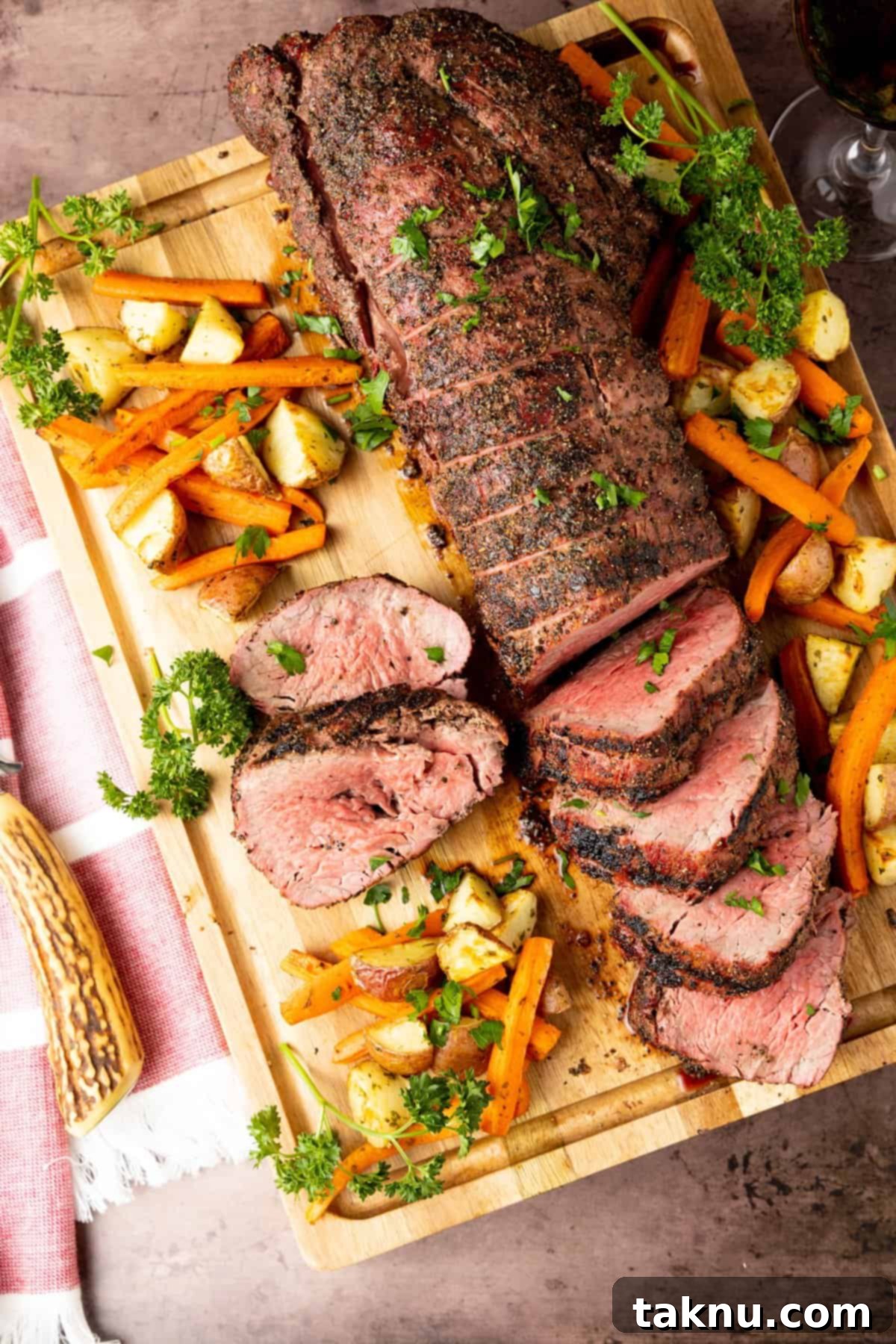
When it comes to crafting a truly spectacular centerpiece for any special occasion or holiday feast, few dishes rival the elegance and exquisite flavor of a perfectly smoked beef tenderloin. This premium cut of beef not only promises an awe-inspiring presentation but delivers an unparalleled eating experience with its melt-in-your-mouth tenderness and rich, smoky aroma. Whether you’re hosting a grand holiday gathering or simply seeking to elevate a weekend meal, mastering the art of smoking beef tenderloin will undoubtedly earn you rave reviews. This comprehensive guide will walk you through every step, ensuring your smoked tenderloin is nothing short of perfection.
[feast_advanced_jump_to]
Video Guide: Smoking Beef Tenderloin to Perfection
Understanding Beef Tenderloin: The King of Roasts
The beef tenderloin, also known as fillet, is a long, narrow, and boneless cut of meat derived from the loin primal of a steer or heifer. This muscle, located along the animal’s backbone, is rarely used, which contributes to its incredibly tender texture. Because it performs little to no work, the tenderloin boasts a fine grain and buttery consistency, making it one of the most prized and expensive cuts of beef available.
- Size: Typically weighs between 4-7 pounds and measures 18-24 inches in length.
- Tenderness: Renowned for being the most tender cut of beef, offering a delicate texture that melts in your mouth.
- Source of Filet Mignon: The coveted Filet Mignon steaks are meticulously cut from the smaller, leaner end of the beef tenderloin.
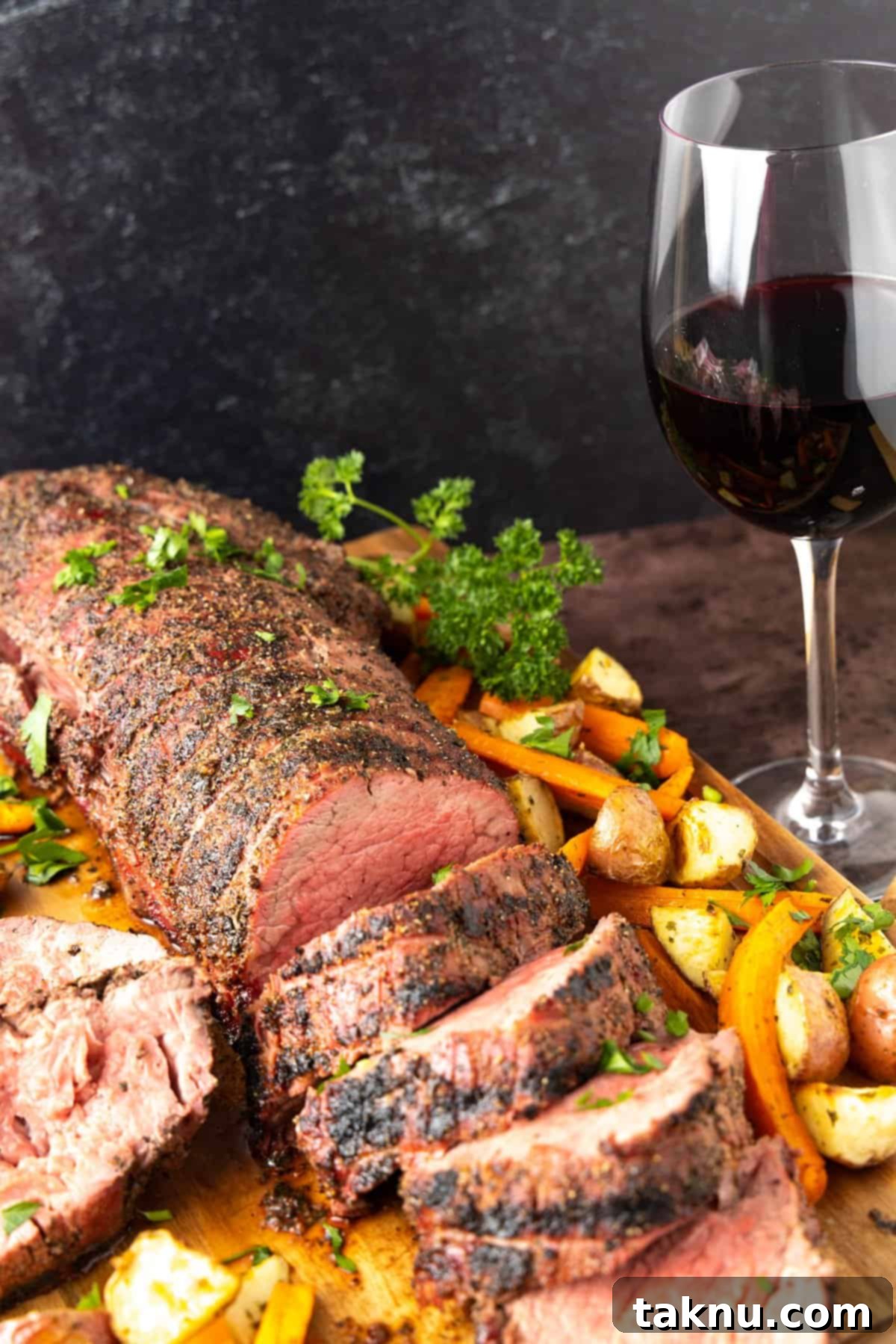
Due to its exceptional quality and leanness, beef tenderloin is most commonly reserved for special occasions and major holidays like Christmas, New Year’s Eve, or Thanksgiving. While its higher cost makes it an infrequent purchase for many, the investment is well worth it for an unforgettable culinary experience. The delicate flavor and luxurious texture of the tenderloin truly shine when cooked with care.
Selecting Your Beef Tenderloin: What to Look For
Choosing the right beef tenderloin is the first step toward a successful roast. You’ll typically find tenderloins in a few different forms at your local butcher or grocery store:
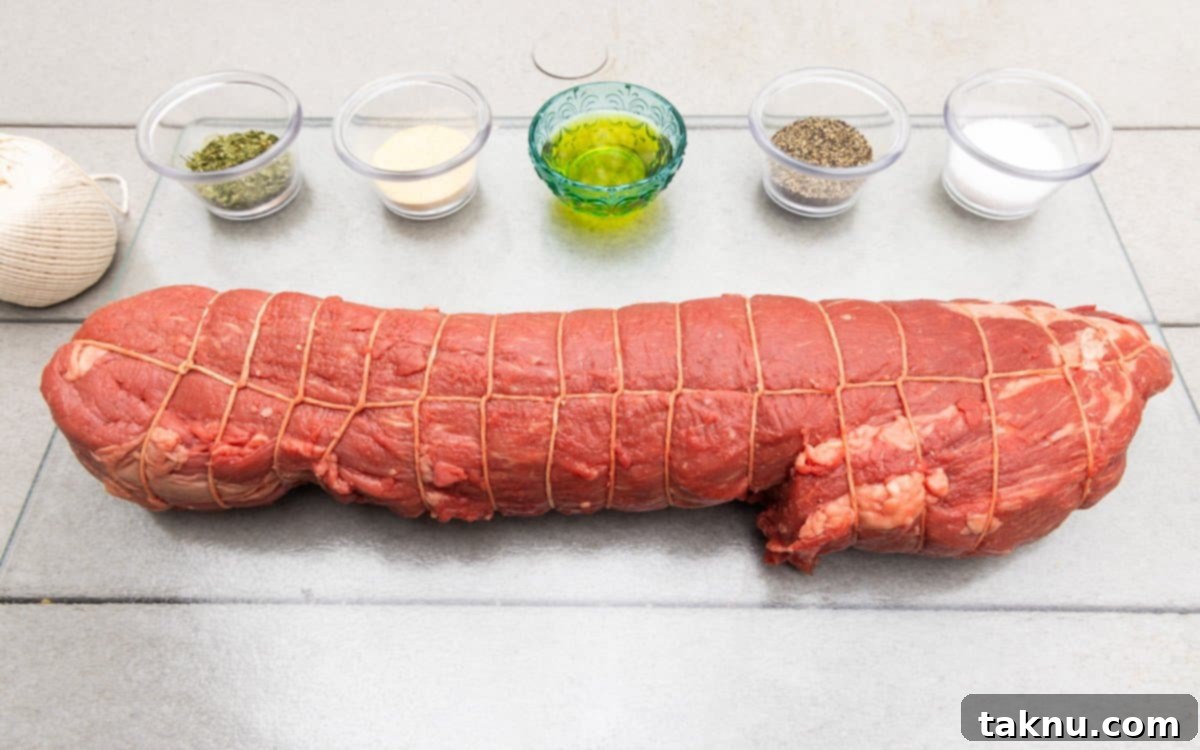
- Trimmed Tenderloin (Chateaubriand or Center Cut) – This is often the most convenient option, as the butcher has already removed the silver skin, fat, and any smaller ends (the “chain” and “tail”). A 4.5-pound trimmed tenderloin is ideal for serving 7-10 people. The center cut, often referred to as chateaubriand, is particularly prized for its uniform thickness, making it perfect for even cooking.
- Untrimmed Tenderloin (PSMO – Peeled, Silver Skin, Side Muscle On) – Available at a lower price per pound, untrimmed tenderloin requires more effort. You’ll need to trim off the tough silver skin, excess fat, and the side muscle yourself, which will result in some weight loss but significant savings. If you choose this option, resources like Serious Eats’ guide on trimming a tenderloin can be incredibly helpful.
- Sectioned Tenderloin – If you’re serving a smaller group of 4-6 guests, you can purchase a smaller, pre-cut section of the tenderloin. The center cut (chateaubriand) is often sold this way and remains an excellent choice for consistent cooking and presentation.
While beef tenderloin is an investment, the culinary experience it offers is truly unparalleled. If you’re seeking a more budget-friendly yet equally delicious beef meal, consider trying my smoked chuck roast recipe.
Choosing Your Smoker and Wood for Optimal Flavor
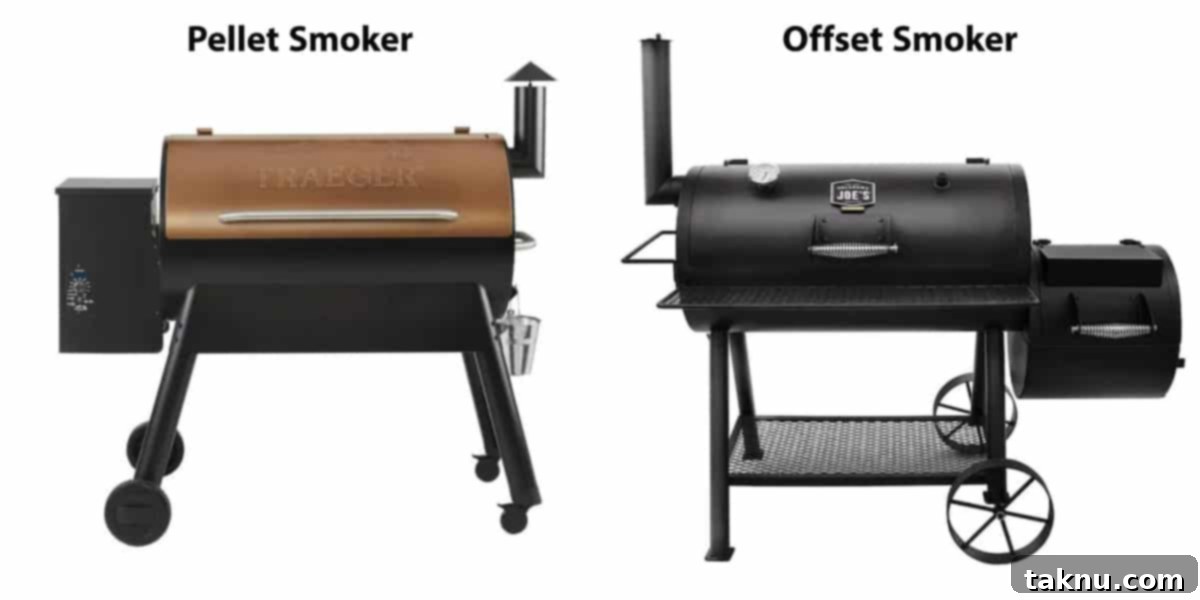
The type of smoker and wood you select are crucial for imparting that signature deep, smoky flavor into your beef tenderloin. For this recipe, I utilized a Recteq pellet smoker, known for its consistent temperature control and ease of use. However, you can achieve excellent results with various smoker types:
- Pellet Grills: Brands like Recteq and Traeger offer convenient, temperature-controlled smoking. They use compressed wood pellets, providing a consistent smoke output.
- Offset Smokers: A traditional offset smoker, such as an Oklahoma Joe’s Smoker, allows you to burn wood logs or charcoal in a separate firebox, channeling smoke and heat into the main cooking chamber. These require more attention to maintain temperature but can deliver an intense smoke flavor.
- Vertical Water Smokers: These are great for beginners, using a water pan to regulate temperature and add moisture.
- Electric Smokers: Offering the ultimate in set-it-and-forget-it convenience, electric smokers are perfect for those who want consistent smoke with minimal fuss.
Regardless of your smoker type, pre-heating to the target temperature and establishing a clean, steady smoke are key. Now, let’s talk wood:
- Wood Chips/Chunks: For tender beef cuts like tenderloin, milder fruitwoods are highly recommended. Applewood is an excellent choice, providing a delicate, sweet, and subtle smoke that complements the beef without overpowering its natural flavor. Cherry wood is another fantastic option, offering a slightly richer fruity note and a beautiful mahogany color to the meat.
- Pellets: If you’re using a pellet grill, apple wood pellets are perfect. Additionally, competition or trophy blend pellets, which often combine different mild woods, are also a superb choice for smoking beef, offering a balanced and complex smoke profile. Avoid overly strong woods like mesquite or hickory for tenderloin, as they can easily dominate its delicate flavor.
How to Make Perfect Smoked Beef Tenderloin
With your premium beef selected and your smoker prepped, it’s time to transform this beautiful roast into a culinary masterpiece. This section will guide you through the essential steps to execute this smoked beef tenderloin recipe to perfection, from preparation to the final carve.
Prepping Your Beef Tenderloin Roast
Proper preparation is crucial for an evenly cooked and incredibly flavorful smoked beef tenderloin. This involves two key steps: trussing the roast and applying a delicious seasoning blend. Don’t be intimidated; these techniques are straightforward and will greatly enhance your final product!
Trussing the Beef Tenderloin
Tying your beef tenderloin with butcher’s twine serves two vital purposes, ensuring consistent cooking and a beautiful presentation:
- Ensuring Consistent Diameter: Beef tenderloins are naturally tapered, meaning one end is thicker than the other. To ensure the roast cooks evenly from end to end, the thinner “tail” end needs to be folded back onto itself and securely tied to match the diameter of the thicker “butt” or center section. This prevents the thinner portion from overcooking and drying out before the rest of the roast is done.
- Maintaining Shape & Even Cooking: Trussing also helps the roast maintain a uniform cylindrical shape throughout the smoking process. Without it, the tenderloin might sag or flatten on the grates, leading to uneven cooking and a less appealing appearance. A tightly trussed roast cooks more uniformly on all sides.
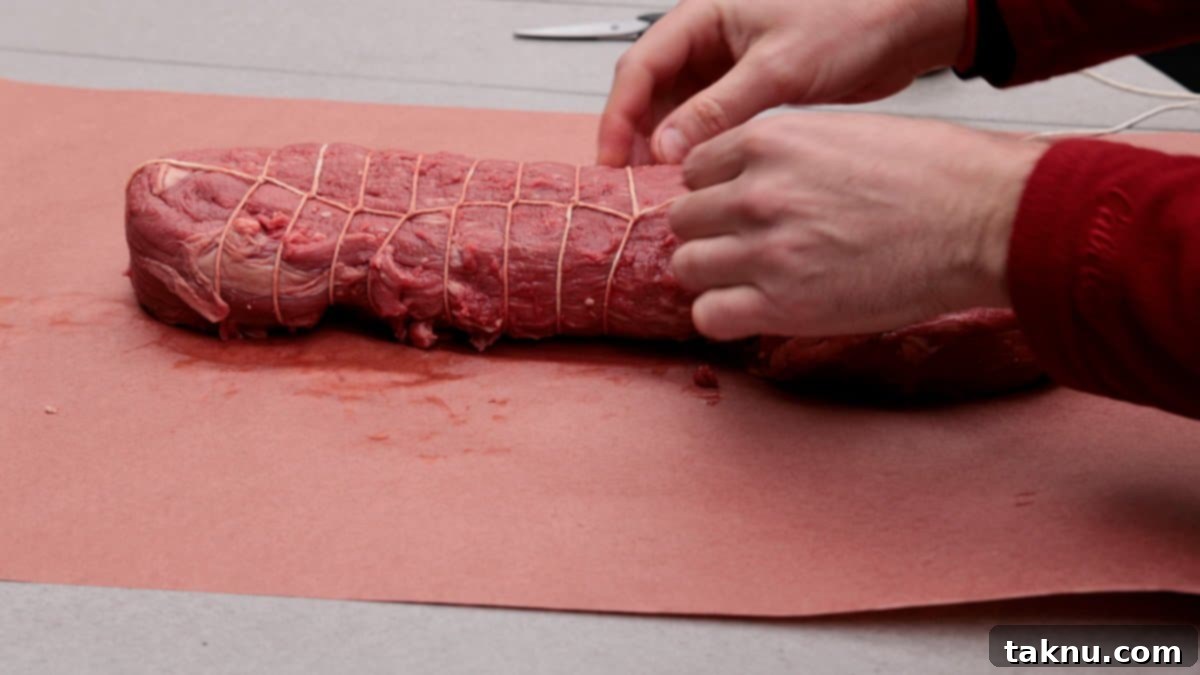
PRO TIP: For a visual guide on how to expertly tie a beef tenderloin with butcher string, refer to the video demonstration at the beginning of this article. It’s an easy technique that adds a professional touch!
While it might seem like an extra step, trussing is surprisingly simple and contributes significantly to the success of your smoked tenderloin. You’ll likely find it a satisfying part of the cooking process!
Seasoning Your Tenderloin for Flavor
Since beef tenderloin is an extremely lean cut with minimal fat, it doesn’t possess the inherent rich, beefy flavor found in fattier cuts like a ribeye. This makes thoughtful seasoning absolutely essential to inject flavor and create a delicious crust.
A classic blend of coarse sea salt (or Kosher salt) and freshly cracked black pepper forms the foundation. To elevate the flavor profile, I recommend adding garlic powder for a pungent depth and dried parsley for a fresh, herbaceous note. Beyond these, you can experiment with:
- Onion Powder: Adds another layer of savory aroma.
- Smoked Paprika: Enhances the smoky flavor and adds a touch of color.
- Dried Rosemary or Thyme: Earthy herbs that pair exceptionally well with beef.
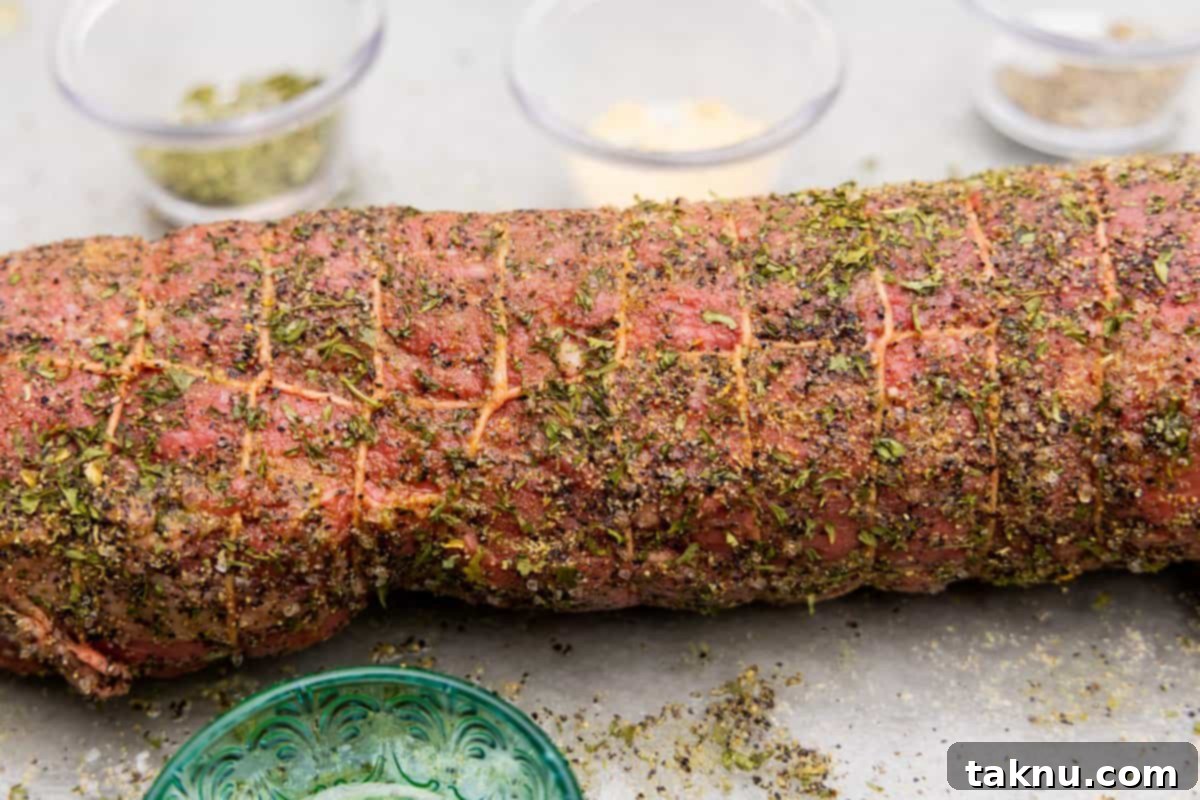
Remember to pat the tenderloin dry with paper towels before applying a thin coat of olive oil (or your preferred binding agent) to help the seasonings adhere. The bold smoke flavor imparted by the smoker will then marry with these seasonings, truly setting this smoked beef tenderloin recipe apart from any other roast.
Smoking the Beef Tenderloin to Perfection
The smoking phase is where your beef tenderloin truly develops its deep, complex flavors. Begin by pre-heating your smoker and maintaining a consistent temperature of 250°F (121°C). This lower temperature allows the meat to slowly absorb the smoke, resulting in a rich, smoky profile without overcooking.
Once your smoker is stable, carefully place the seasoned and trussed roast directly onto the grill grates, ensuring it’s not directly over any hot spots if you’re using an offset smoker. Close the lid and let the magic happen.
SMOKING DURATION TIP: As a general guideline, expect approximately 15 minutes of cooking time per pound when smoking tenderloin to an internal temperature of 110-115°F (43-46°C) for the initial smoke phase.
Accurate temperature monitoring is critical for tenderloin. Most modern pellet smokers come equipped with integrated temperature probes. Insert a probe into the thickest part of each end of the roast (the “butt” and the “point”). Throughout the smoking process, these probes should not vary by more than 10°F (5°C) from each other. If you notice a significant difference, rotate the roast 180° to compensate for potential hot spots in your smoker. A good quality, leave-in meat thermometer is an indispensable tool for achieving perfect doneness.
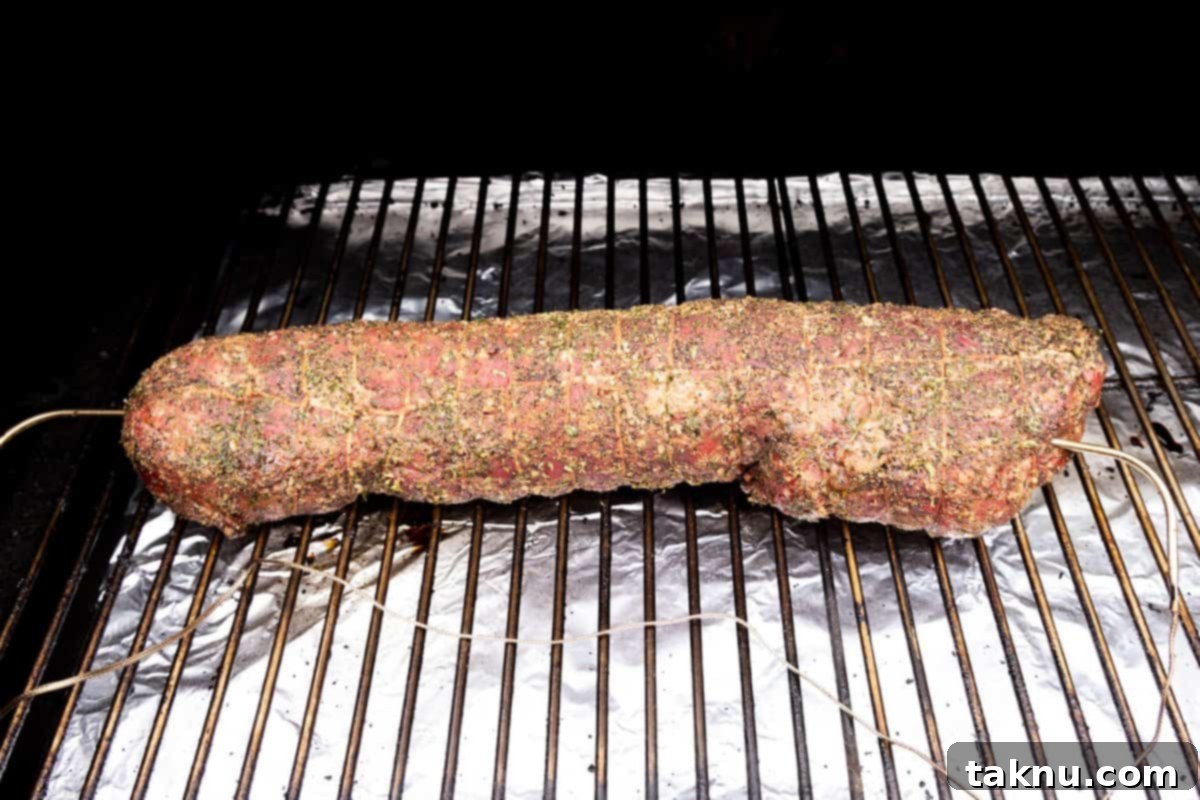
For my 4.5-pound tenderloin, it took approximately 65 minutes to reach an internal temperature of 110°F (43°C) in the thicker butt end and 102°F (39°C) in the slightly thinner point. Once the roast reaches these target temperatures, it’s time to pull it off the smoker and prepare for the next critical step: the reverse sear.
The Reverse Sear Method: Achieving a Perfect Crust
The reverse sear is a game-changing technique, especially for lean cuts like beef tenderloin. Instead of searing first and then cooking, you smoke the meat to nearly its desired internal temperature, and *then* apply high heat to create a beautiful, savory crust. This method allows for maximum smoke penetration while ensuring a perfectly even cook from edge to edge.
- Pre-heat Your Searing Surface: As your tenderloin approaches 110°F (43°C) on the smoker, pre-heat a separate charcoal or gas grill to a scorching 500°F (260°C) or higher. You want intense, direct heat for a quick sear. If an outdoor grill isn’t an option, a cast-iron pan on the stovetop or your oven’s broiler setting can also work effectively.
- The Sear: Once the tenderloin reaches 110-115°F (43-46°C) in both ends, carefully transfer it to the screaming hot grill. Sear on all sides for approximately 1-1.5 minutes per side, rotating frequently, until a rich, dark brown crust (Maillard reaction) forms. This process should take about 5-7 minutes in total.
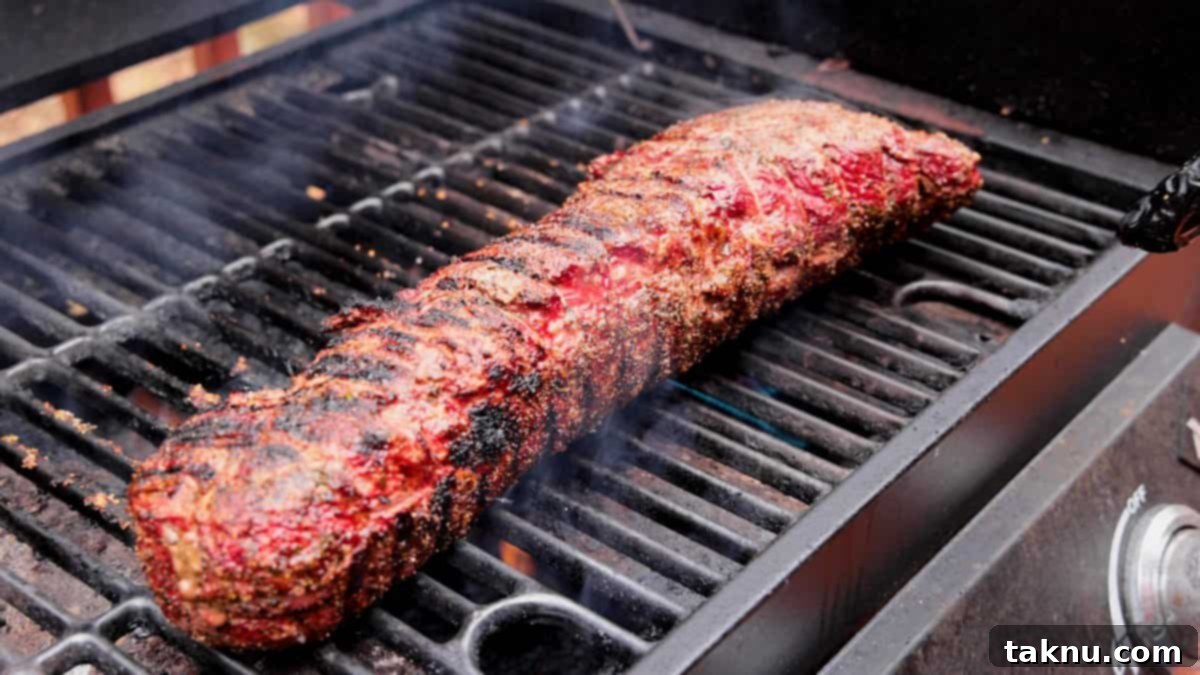
The primary goal during the searing phase is to develop that irresistible crust while bringing the internal temperature up to 120-125°F (49-52°C) for a perfect medium-rare. Do not exceed this temperature range on the grill, as carryover cooking will further increase the internal temperature during resting.
Resting the Meat: A Crucial Final Step
After achieving that beautiful sear, the most important (and often overlooked) step is to allow your smoked beef tenderloin to rest. Transfer the seared roast to a clean cutting board and let it sit undisturbed for at least 10-15 minutes.
IMPORTANT: Do NOT cover the roast with aluminum foil during resting. This will trap steam and moisture, making your hard-earned crispy crust soggy. Leave it uncovered to maintain its texture.
Resting allows the muscle fibers, which tightened during cooking, to relax, and the juices, which were driven to the center, to redistribute evenly throughout the meat. This results in a significantly juicier and more tender final product. By the time you carve, the internal temperature should have risen by another 5-10 degrees, reaching a perfect 130-135°F (54-57°C) for medium-rare.
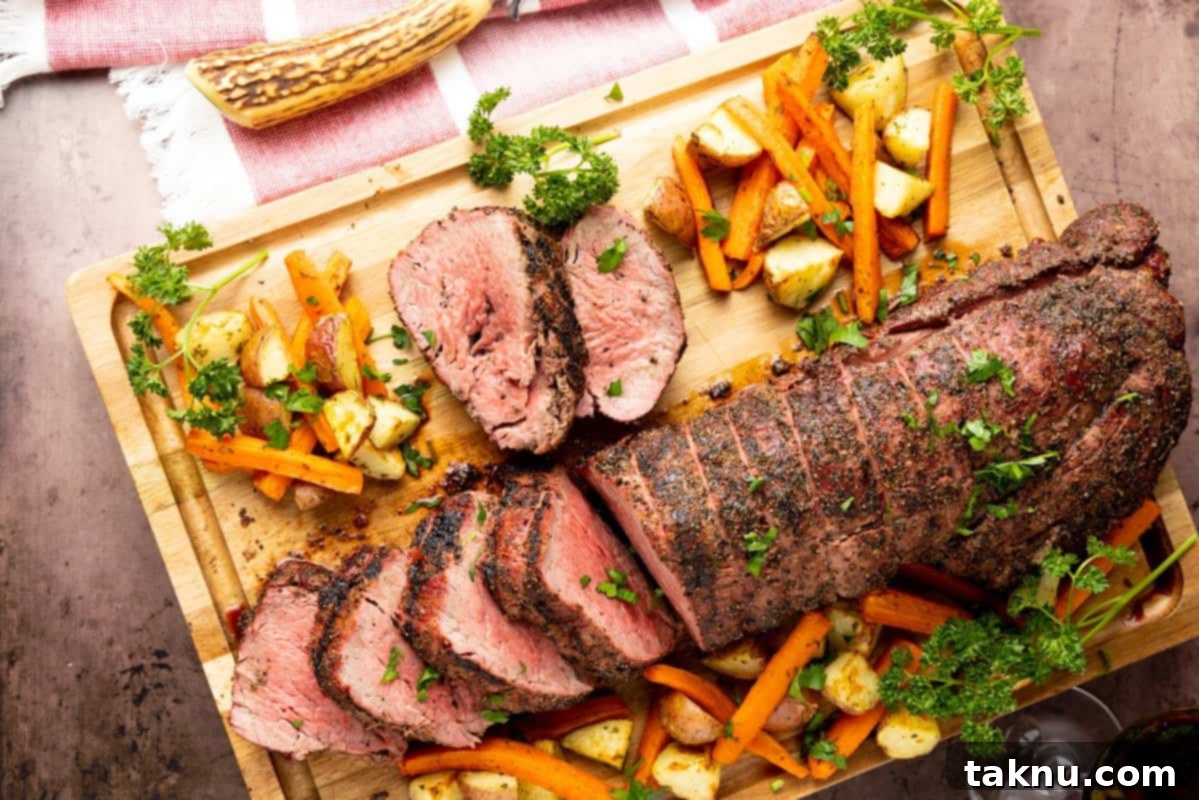
Once rested, remove the butcher twine with kitchen scissors. Slice the tenderloin into generous 1-inch thick medallions using a sharp carving knife. Serve immediately and prepare for an exceptional dining experience!
Why Medium-Rare is the Only Way to Serve Tenderloin
When it comes to smoking beef tenderloin, aiming for a beautiful medium-rare is not just a preference, it’s a necessity for truly appreciating this delicate cut. Due to its inherent lack of intramuscular fat (marbling), beef tenderloin is incredibly lean. This leanness means it cooks very quickly and, more importantly, can dry out at an astonishing rate if overcooked.
Serving tenderloin at medium-rare (internal temperature of 130-135°F after resting) ensures that the meat remains exquisitely juicy, tender, and incredibly flavorful. Anything beyond medium will result in a dry, tougher, and less enjoyable eating experience, diminishing the very qualities that make tenderloin so desirable and expensive.
Essential Pro Tips for Smoked Beef Tenderloin Success
- Prioritize Undercooking over Overcooking: It is always better to pull the beef tenderloin off the smoker a little early than a little late. Remember, carryover cooking will increase the internal temperature even after it’s removed from heat. If you’re unsure, err on the side of caution to prevent dryness.
- Alternative Searing Methods: No propane or charcoal grill? No problem! You can still achieve a fantastic sear. Use a heavy-bottomed cast-iron pan on your stovetop with a high smoke point oil, heating it until just smoking. Alternatively, a broiler in your oven can also create a nice crust.
- Serve with Horseradish Sauce: For an exquisite pairing, serve your smoked beef tenderloin with a creamy horseradish sauce. Its piquant kick beautifully complements the rich, smoky beef, much like it does with a smoked prime rib.
- Slice for Presentation: For the most impressive presentation and optimal texture, slice the roast into fairly thick (about 1-inch) pieces. This showcases the beautiful pink interior and maintains juiciness.
Frequently Asked Questions About Smoked Beef Tenderloin
Absolutely, yes! Butcher’s twine is specifically designed to withstand high cooking temperatures and will not catch fire. Its purpose is to hold the meat together, maintain its shape, and ensure even cooking throughout the process.
No. Always remove the butcher twine with kitchen scissors or a sharp knife before you begin slicing the roast into individual portions. This allows for clean, even cuts.
No, they are not the same, but they are closely related! Filet mignon steaks are specific cuts taken from the smaller end (the “point”) of the beef tenderloin. The beef tenderloin is the larger, whole roast from which these individual steaks are derived.
Yes, it is considered one of the best! Beef tenderloin comes from a muscle that gets very little exercise, making it exceptionally lean and incredibly tender. Its fine texture and delicate flavor are why it’s a highly sought-after and more expensive cut, often reserved for premium dishes.
To prevent drying, always cook beef tenderloin to no more than medium-rare (120-125°F before resting, 130-135°F after resting). Use a reliable meat thermometer, don’t over-sear, and ensure you allow it to rest uncovered for at least 10-15 minutes after cooking for optimal juiciness.
Perfect Pairings: What to Serve with Smoked Beef Tenderloin
A well-seasoned and perfectly smoked beef tenderloin is a symphony of flavors and textures that needs little embellishment. The meat itself will be rich, succulent, and incredibly tender, so there’s often no need for heavy gravies or overpowering sauces. As mentioned, a vibrant horseradish sauce is a classic and delightful accompaniment, offering a bright counterpoint to the beef’s richness.
For additional serving suggestions, consider a light pan sauce made from the drippings (if any) or a simple red wine reduction. A sprinkle of fresh chives or a sprig of rosemary can also add visual appeal and a hint of freshness.
Complementary Side Dishes
When selecting side dishes for smoked beef tenderloin, think elegant, comforting, and flavors that enhance rather than compete. These dishes are often those you’d find at a celebratory Christmas or Thanksgiving dinner:
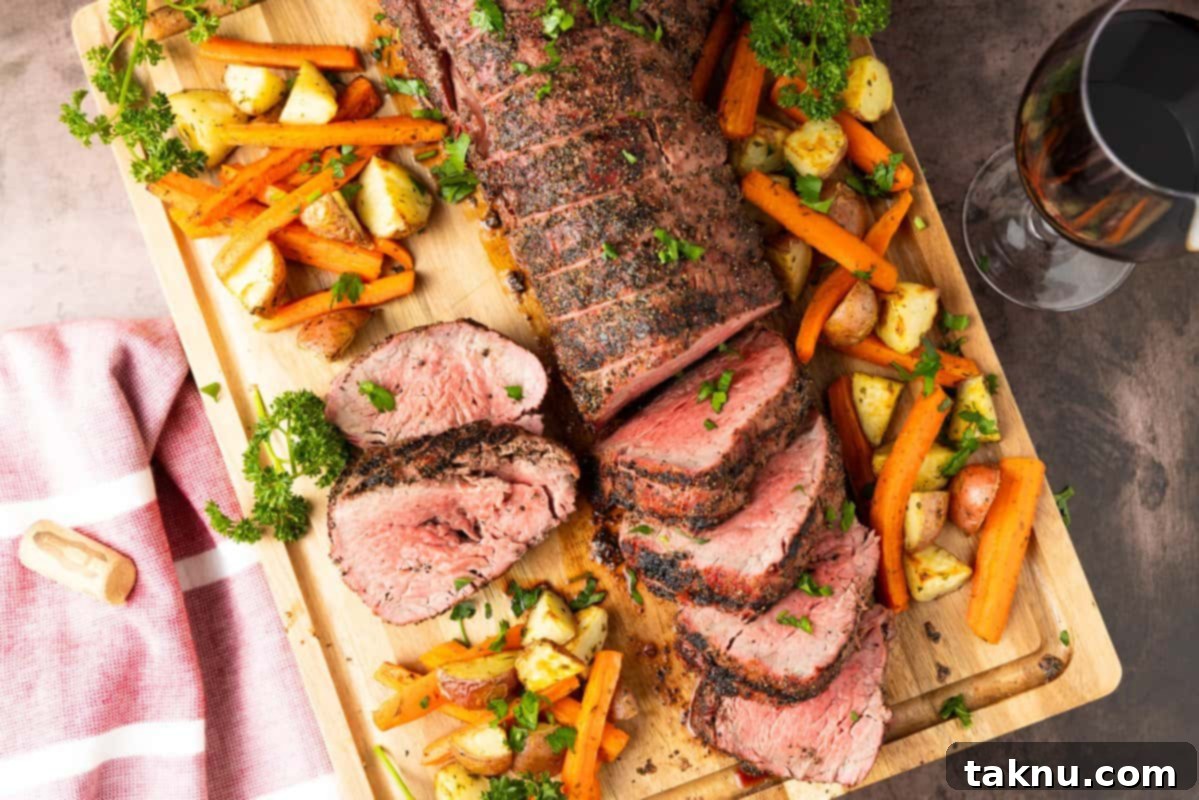
- Roasted Carrots: Sweet and earthy, roasted carrots provide a lovely balance to the savory beef.
- Crispy Roasted Potatoes: A classic pairing, roasted potatoes offer a satisfying texture and absorb the delicious meat juices.
- Creamy Garlic Mashed Potatoes: Luxurious and smooth, garlic mashed potatoes provide a comforting base.
- Sautéed Green Beans with Garlic: A fresh, crisp green vegetable adds color and a light counterpoint.
- Crunchy Smoked Vegetables: For an extra layer of smoky flavor, consider smoking your side vegetables alongside the beef.
- Asparagus with Lemon Butter: Simple, elegant, and quick to prepare, asparagus brightens the plate.
- Wild Rice Pilaf: Offers a nutty flavor and satisfying texture without being too heavy.
Choose two or three of these to create a balanced and memorable meal that truly highlights your magnificent smoked beef tenderloin.
Apple Wood Smoked Beef Tenderloin
Pin Recipe
Ingredients
Meat
- 4.5 pound beef tenderloin (trimmed, center cut recommended)
Seasonings
- 3 tablespoon olive oil
- 2 tablespoon sea salt (or Kosher salt)
- 1.5 tablespoon black pepper (freshly cracked)
- 1.5 tablespoon parsley (dried)
- 1 tablespoon garlic powder
Equipment
Instructions
- Pre-heat your smoker to a stable 250°F (121°C) using apple wood pellets or chips for a mild, sweet smoke.
- In a small bowl, thoroughly combine the dry seasonings: sea salt, freshly cracked black pepper, dried parsley, and garlic powder.
- Pat the trimmed beef tenderloin completely dry with paper towels. Lightly rub the entire surface with olive oil, then generously sprinkle the seasoning blend, pressing it gently to ensure it adheres well. Truss the tenderloin with butcher’s twine for even cooking.
- Carefully place the seasoned beef tenderloin directly on the smoker rack, away from any direct heat sources. Insert a reliable meat thermometer into the thickest part of each end of the roast.
- Smoke the tenderloin at 250°F (121°C) for approximately 1 hour, or until the internal temperature reaches 110-115°F (43-46°C). Monitor both ends and rotate the roast if internal temperatures vary significantly.
- While the tenderloin is smoking, pre-heat a separate charcoal or gas grill to 500°F (260°C) or higher for searing. Once the tenderloin reaches the target internal temperature (110-115°F), transfer it immediately to the very hot grill. Sear all sides for about 1-1.5 minutes per side, rotating until a beautiful crust forms, approximately 5-7 minutes total. Remove the roast from the grill when its internal temperature reaches 120-125°F (49-52°C) – do not exceed this for medium-rare. (Alternatively, sear in a hot cast iron pan on the stovetop or under the oven broiler.)
- Transfer the seared roast to a clean cutting board and allow it to rest, uncovered, for 10-15 minutes. This crucial step ensures juicy results. The internal temperature will rise to a perfect 130-135°F (54-57°C) for medium-rare during this time. After resting, remove the butcher twine, slice the tenderloin into 1-inch thick medallions, and serve with your favorite side dishes and a horseradish sauce. Enjoy!
Video
Pro Tips
- It’s always better to pull the meat off the smoker slightly early than late, as tenderloin will quickly become dry if overcooked due to its leanness.
- If you don’t have a propane or charcoal grill, you can achieve an excellent sear in a hot cast-iron pan on the stovetop or by utilizing your oven’s broiler function.
- For an enhanced dining experience, serve your perfectly sliced smoked tenderloin with a side of creamy horseradish sauce.