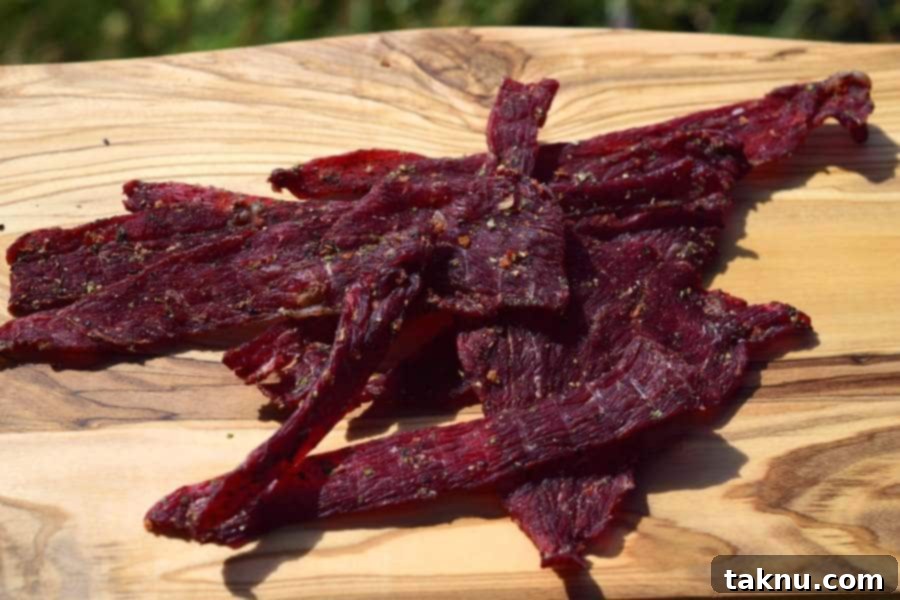
Garden Fresh Beef Jerky Recipe: Your Ultimate Guide to Homemade Flavor
Embark on a culinary adventure that brings the vibrant tastes of your backyard garden directly to your palate with this exceptional Garden Beef Jerky recipe. Forget bland, store-bought options; this homemade jerky offers an intense, captivating flavor profile that is guaranteed to impress your family and friends. It’s not just a snack; it’s an experience, packed with freshness and robust seasoning that truly stands out.
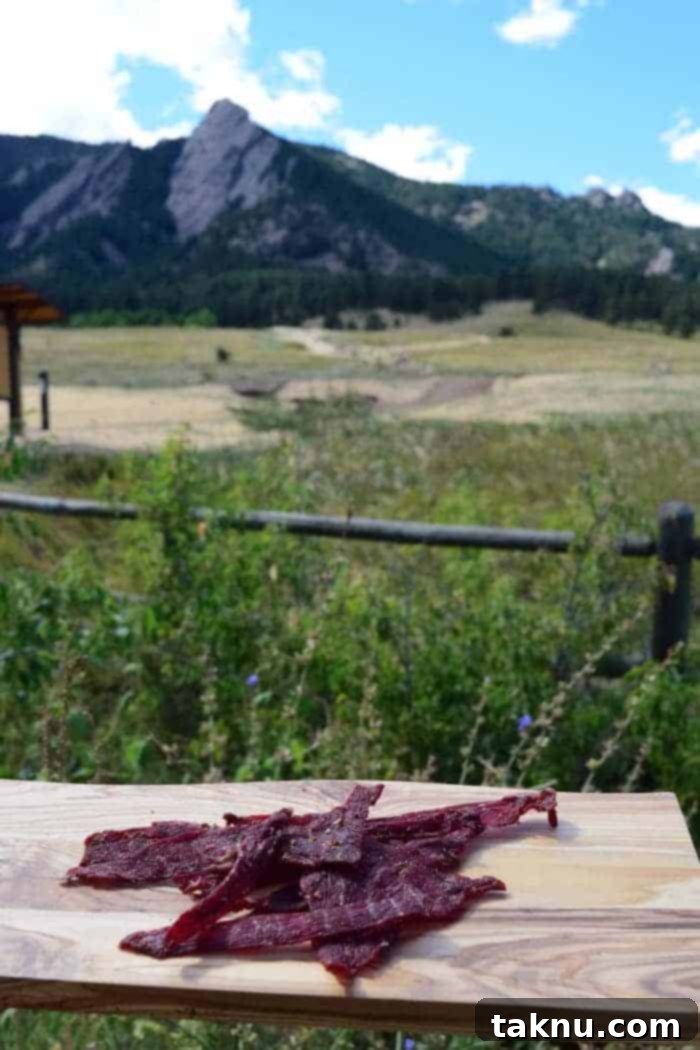
There’s nothing quite like the satisfaction of crafting your own snacks, especially when they’re as flavorful and wholesome as this garden-inspired beef jerky. Perfect for fueling your next outdoor excursion, whether you’re hitting the hiking trails, setting up camp, or simply enjoying a picnic in the park, this jerky is designed to invigorate your senses. In fact, I’m packing a hefty supply for an upcoming 8-day camping trip, because I know firsthand how essential delicious, energizing snacks are when you’re immersed in nature.
The Heart of the Flavor: Unveiling the Garden Seasoning

The secret to this homemade beef jerky’s distinctive taste lies in its remarkable seasoning blend. The star ingredient is the Spice Islands Garden Seasoning, a readily available gem I discovered at my local grocery store. What makes this blend so special is its thoughtful combination of dehydrated vegetables and herbs, mirroring the freshness you’d pluck straight from a garden patch. It typically features a rich medley of onion, garlic, vibrant bell peppers, sweet carrots, and other savory components. This ensures every bite of your jerky is infused with that authentic, earthy, and slightly sweet “garden fresh” essence.
Should you be unable to find Spice Islands Garden Seasoning, don’t fret! You can create a similar flavor profile by blending individual dried herbs and vegetables. Consider a mix of onion powder, garlic powder, dried bell pepper flakes, a pinch of dried carrot, parsley, and a touch of celery seed. The goal is to capture that wholesome, vegetable-forward aroma that makes this jerky so uniquely appealing.
Selecting and Preparing Your Beef for Optimal Jerky
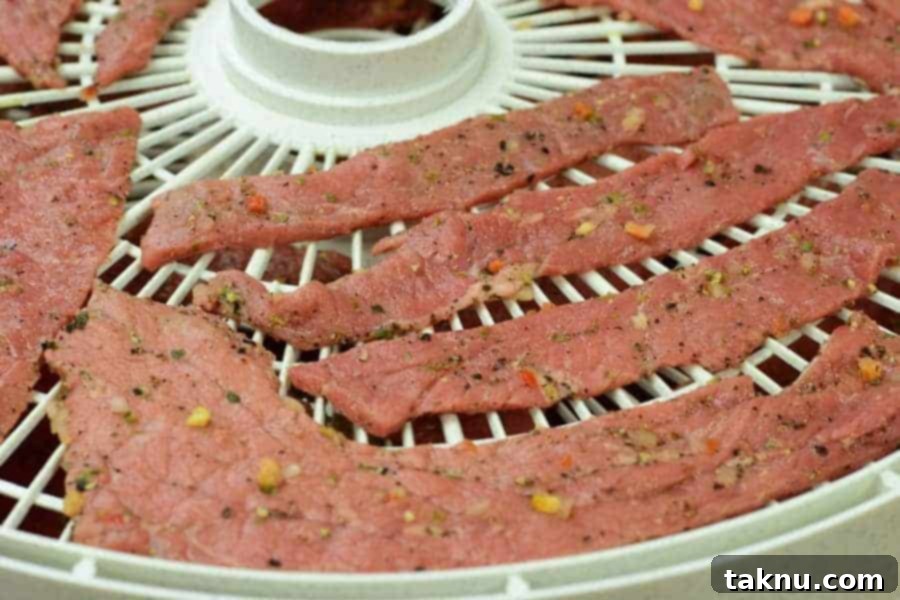
The foundation of any great beef jerky is, of course, the beef itself. For this garden fresh jerky, I chose Beef Top Round, a lean cut that’s excellent for jerky making. The batch I picked up from the grocery store was conveniently pre-sliced to about ⅛” thick, which significantly cut down on preparation time. If your butcher offers this service, it’s a huge time-saver! For those who prefer to slice their own meat, a crucial step is to partially freeze the beef for one to two hours. This firms up the meat, making it much easier to achieve consistent, thin slices. Aim for ¼” slices for a good balance of chewiness and tenderness.
When it comes to selecting cuts, Top Round is my second favorite, closely following Eye of Round. Both are lean, which is vital for jerky as fat can spoil quickly and shorten the shelf life. Slicing against the grain will result in a more tender, easier-to-chew jerky, while slicing with the grain will yield a tougher, more traditional chewy texture. Experiment to find your preference! For those serious about consistency, a dedicated Jerky Slicer can be a fantastic investment.
The Art of Marination: Infusing Garden Flavors
After your beef is perfectly sliced, the magic of flavor infusion begins with the marinade. This garden beef jerky relies on an 18-hour marination period, allowing the meat to thoroughly absorb the delightful blend of Spice Islands Garden Seasoning, tangy white vinegar, and sweet orange juice, complemented by marjoram and sea salt. This extended soak ensures that every strip of beef is permeated with the vibrant “garden fresh” taste, transforming plain meat into a flavor-packed snack. The vinegar helps tenderize the meat slightly, while the orange juice adds a subtle fruitiness that beautifully complements the savory herbs.
Once marination is complete, the process moves to drying. For this batch, I utilized my reliable Nesco Snackmaster Pro dehydrator. Dehydration is a gentle process that slowly removes moisture, concentrating the flavors and preserving the jerky. It’s crucial to strain off any excess marinade and pat the beef dry with paper towels before placing it in the dehydrator. This step ensures more even drying and prevents the jerky from steaming instead of dehydrating.
The Finished Product: A Taste Sensation
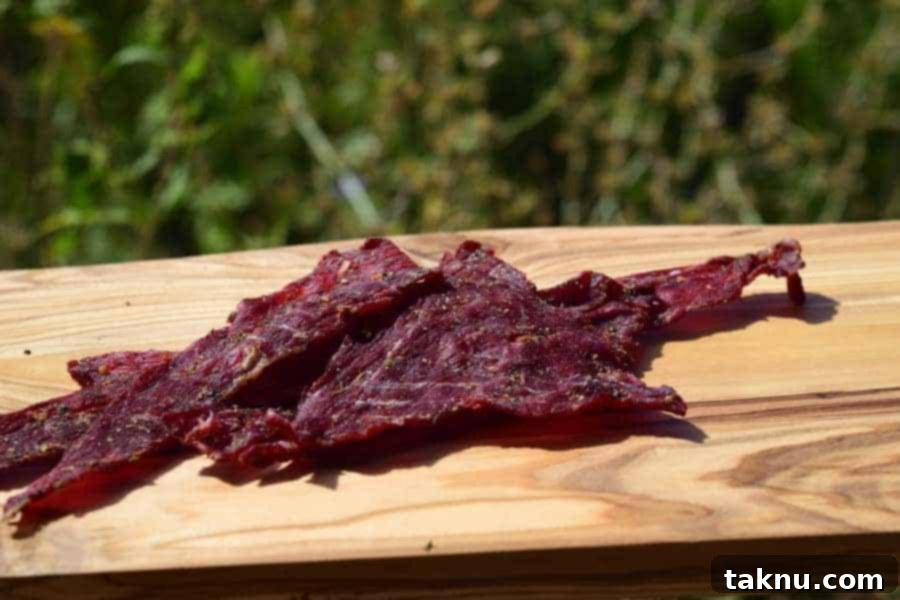
The outcome of this Garden Beef Jerky recipe is nothing short of delicious. From the very first bite, you’ll notice an intense flavor that truly awakens your taste buds. The perfect balance of savory and a subtle hint of spice creates an incredibly satisfying experience. The salty notes are just right, enhancing the overall profile without being overpowering. My wife even noted a delightful tanginess, adding another layer of complexity to this already fantastic snack. It’s a truly well-rounded flavor that makes this homemade jerky unforgettable.
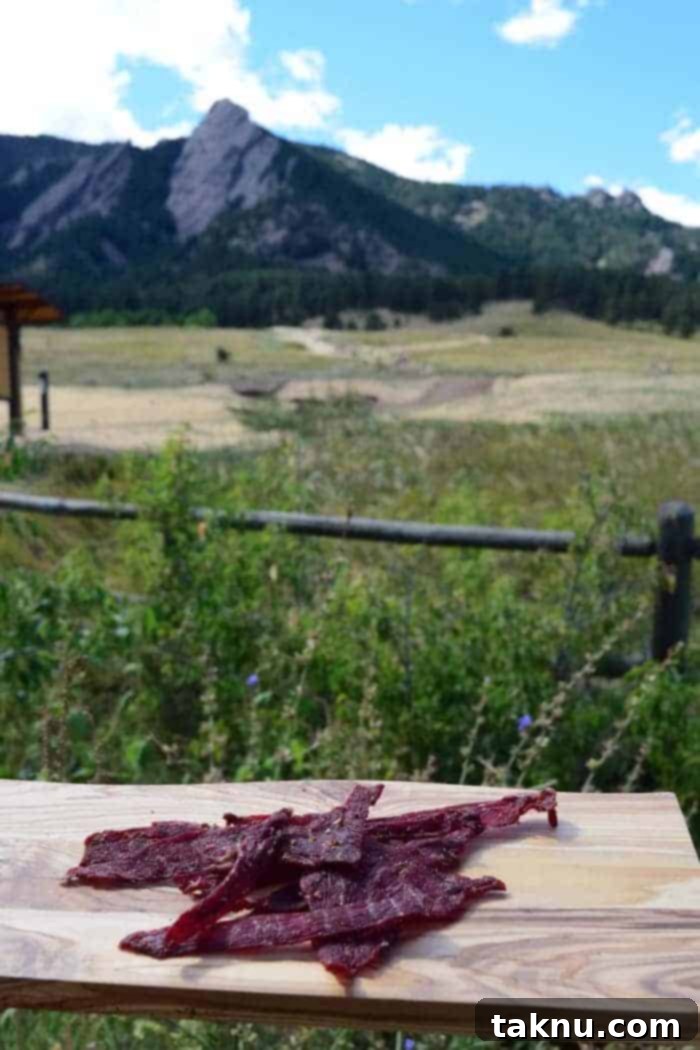
We recently took these pictures at a picturesque local park in Boulder, CO. Its stunning natural beauty, with scenic hiking trails and breathtaking views, felt like the ideal backdrop to showcase this garden-fresh jerky. Enjoying a piece of this flavorful jerky amidst such a setting truly elevated the experience, reminding us of the simple pleasures that come from good food and great outdoors.
Why Make Your Own Homemade Jerky?
There are numerous benefits to making your own beef jerky at home. Firstly, you have complete control over the ingredients, allowing you to avoid artificial preservatives, excessive sodium, and unwanted additives often found in commercial jerky. This means a healthier, more natural snack for you and your family. Secondly, homemade jerky is incredibly customizable. You can adjust the seasoning, spice levels, and even the type of meat to suit your personal preferences. This Garden Beef Jerky recipe is a prime example of how you can infuse unique flavors not typically found in stores. Finally, making jerky at home can be more cost-effective in the long run, especially if you buy meat in bulk when it’s on sale.
Tips for Jerky Making Success
Achieving perfect jerky requires a few key considerations. Always start with very lean meat; trim off all visible fat to prevent spoilage and extend shelf life. Slice your meat uniformly for even drying; inconsistent thickness can lead to some pieces being over-dried and others under-dried. Don’t overcrowd your dehydrator trays or oven racks, as proper air circulation is essential for efficient drying. Finally, pay close attention to the doneness. Jerky should be dry and firm, but still pliable. It should bend and crack without breaking completely in half. If it breaks cleanly, it’s likely over-dried. If it feels soft or spongy, it needs more time.
For more in-depth directions and alternative methods on how to dry your beef jerky, visit my page Jerky Making Methodsor click on the pictures below for specific guides.
Garden Beef Jerky
Pin Recipe
Ingredients
Lean Meat
- 1 lb Beef Top Round or Venison
Marinade
- 2 teaspoon Spice Island Garden Seasoning
- 1 tablespoon white vinegar
- ½ cup orange juice
- 1 teaspoon marjoram leaves
- ½ teaspoon sea salt
- ¼ teaspoon curing salt (optional)
Equipment
Instructions
- Trim all visible fat from the beef and place in freezer for an hour or two to partially freeze. This makes slicing much easier and ensures lean jerky.
- While the meat is in the freezer, combine all marinade ingredients (Spice Island Garden Seasoning, white vinegar, orange juice, marjoram leaves, sea salt, and optional curing salt) in a large bowl or a resealable ziplock bag and mix well until fully combined.
- Remove the partially frozen meat from the freezer and carefully slice it into ¼” strips. For an easy chew, slice against the grain. If you prefer a more traditional, chewy jerky, cut with the grain. Alternatively, if you have a Jerky Slicer, you can skip the freezing phase and use it for quick, uniform slices.
- Add the sliced beef strips to the prepared marinade mixture in the ziplock bag or bowl. Ensure all meat is thoroughly coated. Marinate for 8-24 hours in the refrigerator. A longer marination time generally leads to more intense flavor.
- Once the meat has finished marinating, remove it from the refrigerator. Place the meat in a colander to drain any excess marinade. Then, pat the beef strips thoroughly dry with paper towels. This step is crucial for efficient and even drying.
- Arrange the dried beef strips on your favorite jerky making method’s racks or trays. For a dehydrator like my Nesco Dehydrator, I typically dried this batch for 2 hours at 160F (71C) followed by 1 hour at 145F (63C). Please note, due to the thin ⅛” slices, this jerky dried relatively fast. Adjust drying times based on your meat thickness and dehydrator model.
- The jerky is fully finished when it is firm and dry to the touch. It should bend and crack, but crucially, it should not break completely in half. This pliability indicates that it is properly dried and ready to enjoy.
Nutrition
You Might Also Like: