Grilled Mahi Mahi Recipe: Your Guide to Perfectly Cooked, Flavorful Fish
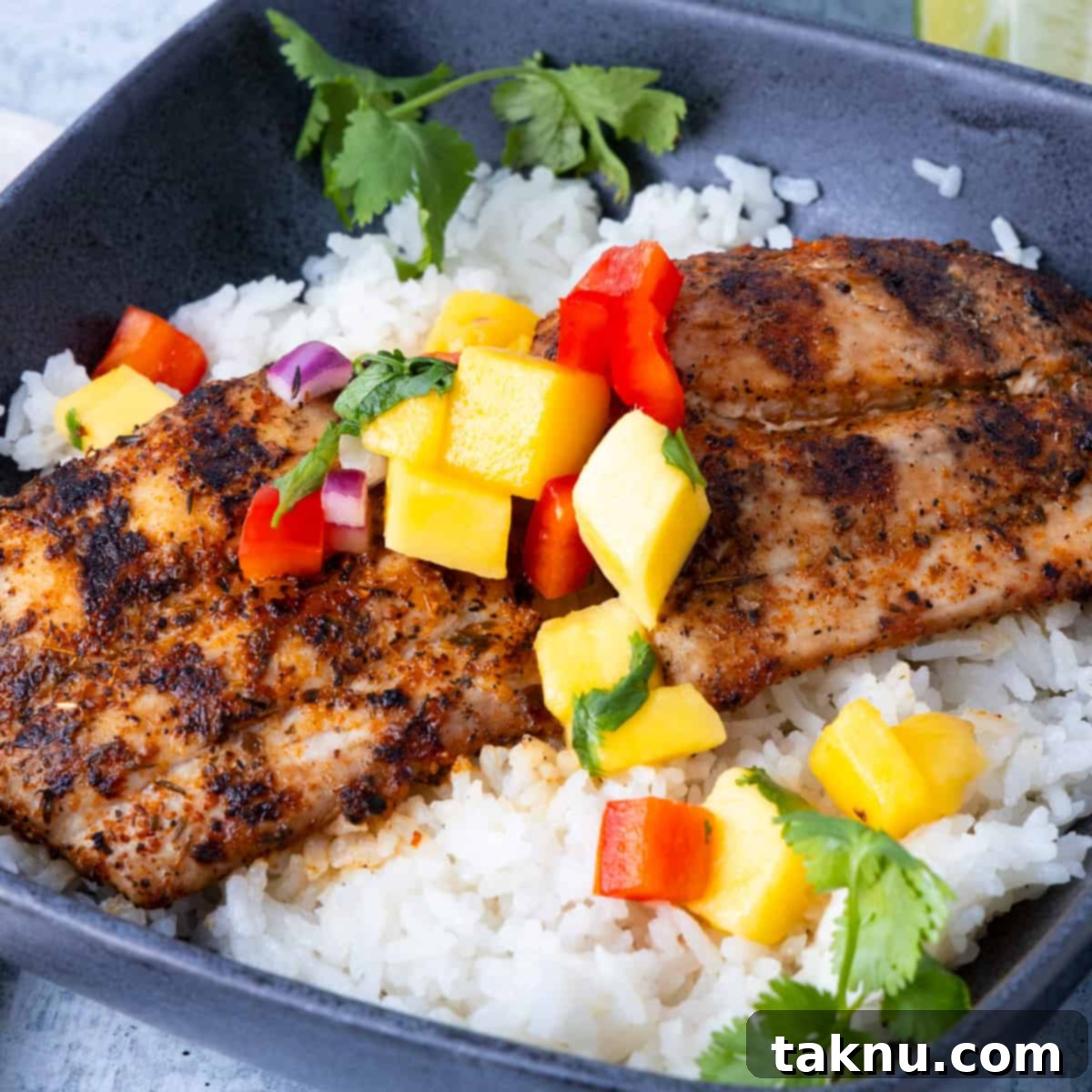
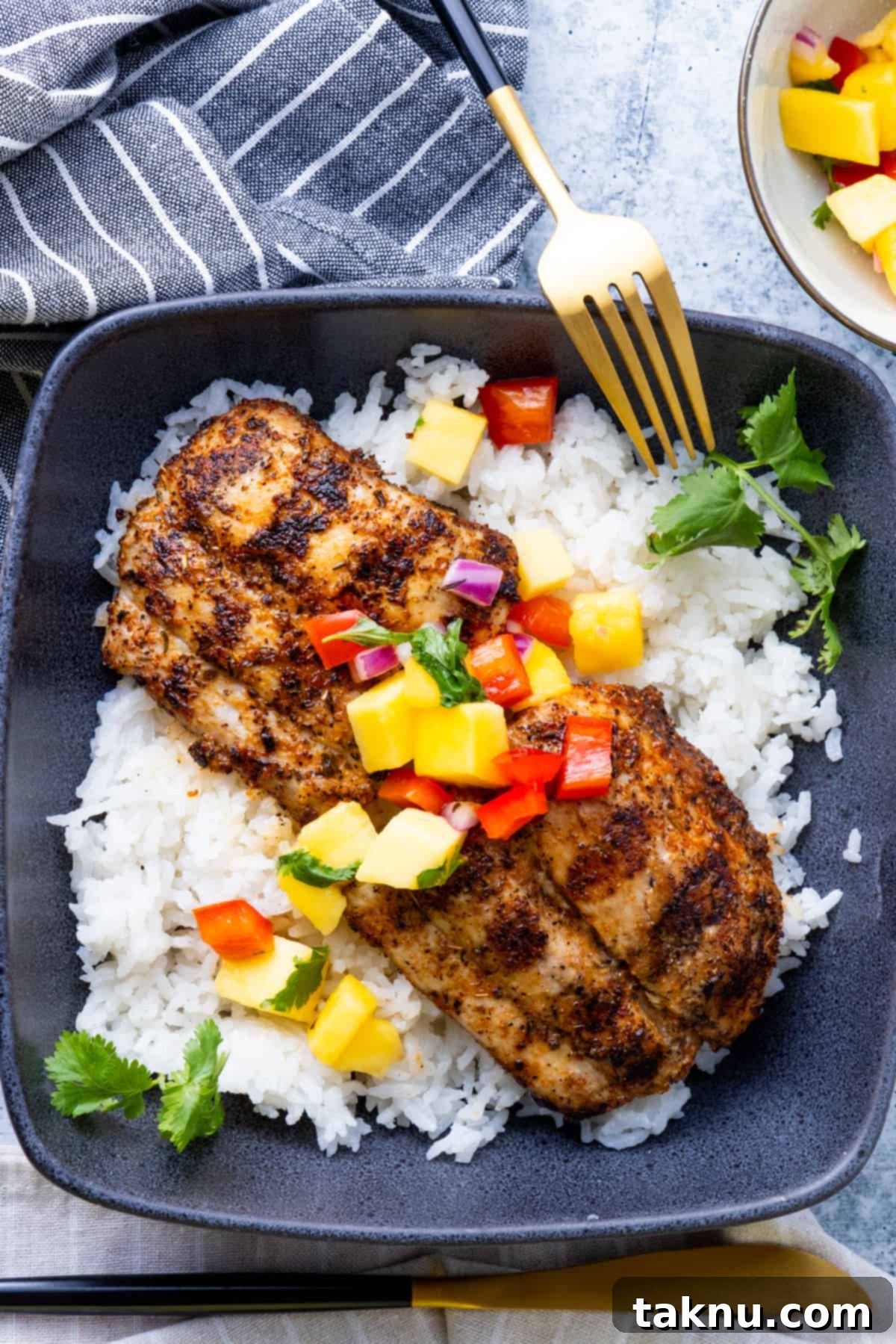
Fire up that grill and prepare to create an unforgettable meal! This guide will walk you through cooking a perfectly seasoned filet of mahi mahi over high heat, ensuring moist, flaky results that separate effortlessly with a fork. With just a touch of olive oil and a vibrant blend of seasonings, this grilled mahi mahi recipe promises one of the most delicious and satisfying fish dishes you’ll ever make at home.
[feast_advanced_jump_to]
Mahi mahi, also known as dolphinfish or dorado, is a highly sought-after white fish known for its mild, sweet flavor and firm, yet tender, texture. It’s an excellent choice for grilling due to its robust nature, which holds up beautifully to high heat without falling apart. This recipe not only highlights the natural deliciousness of mahi mahi but also provides a straightforward, foolproof method for achieving culinary perfection on your backyard grill. Whether you’re an experienced grill master or new to cooking fish, you’ll find this recipe both accessible and rewarding. Get ready to impress your family and friends with a healthy, flavorful, and incredibly easy-to-prepare seafood feast!
Essential Ingredients for Grilled Mahi Mahi
Crafting exceptional grilled mahi mahi begins with fresh, quality ingredients and a thoughtful blend of seasonings. While we focus on a specific flavor profile here, mahi mahi is incredibly versatile. If you’re in the mood for something different, a good quality blackening seasoning can also transform these fillets into a delicious blackened mahi mahi. However, for a bright, savory, and slightly smoky profile that truly complements the fish, gather these simple ingredients:
- 3-4 Mahi Mahi fillets (6-8 oz each): Aim for fresh or high-quality frozen and thawed fillets. Look for vibrant color and a firm texture.
- Olive oil: A light coating helps the seasonings adhere and prevents sticking to the grill grates. Extra virgin olive oil adds a subtle fruity note.
- Sea salt: Enhances the natural flavors of the fish.
- Freshly ground black pepper: Adds a hint of spice and aroma.
- Garlic powder: Provides a foundational savory depth that pairs wonderfully with seafood.
- Onion powder: Offers a complementary savory sweetness, rounding out the flavor.
- Smoked paprika: This is a star ingredient, contributing a beautiful reddish hue and a rich, smoky aroma that elevates the entire dish, especially when grilled.
These ingredients come together to create a seasoning blend that penetrates the fish, creating a crusty, flavorful exterior while keeping the interior moist and tender. The simplicity of this blend ensures that the delicate taste of the mahi mahi remains the star of the show.
Video Guide: How to Grill Mahi Mahi Like a Pro
Watching a recipe come to life can be incredibly helpful. This video provides a visual walkthrough of each step, from seasoning your mahi mahi fillets to achieving that perfect char on the grill. See exactly how to prepare your fish, manage grill temperatures, and test for doneness to ensure your grilled mahi mahi turns out moist, tender, and full of flavor every single time. It’s like having a personal grilling coach right in your kitchen!
Preparing Your Mahi Mahi Fillets for Grilling
Proper preparation is key to grilling perfect mahi mahi. From selecting the freshest fish to seasoning it just right, each step contributes to the final delicious outcome. Let’s dive into everything you need to know before your fillets hit the hot grates.
Sourcing and Buying the Best Mahi Mahi
Unless you’re fortunate enough to live on the coast with a boat capable of offshore fishing, you’ll most likely be purchasing your mahi mahi. Fortunately, this popular fish, also widely known as Dorado or Dolphinfish (despite its name, it’s not related to marine mammals), is readily available. You can typically find high-quality fillets at your local grocery store, a dedicated fish market, or through reputable online seafood purveyors.
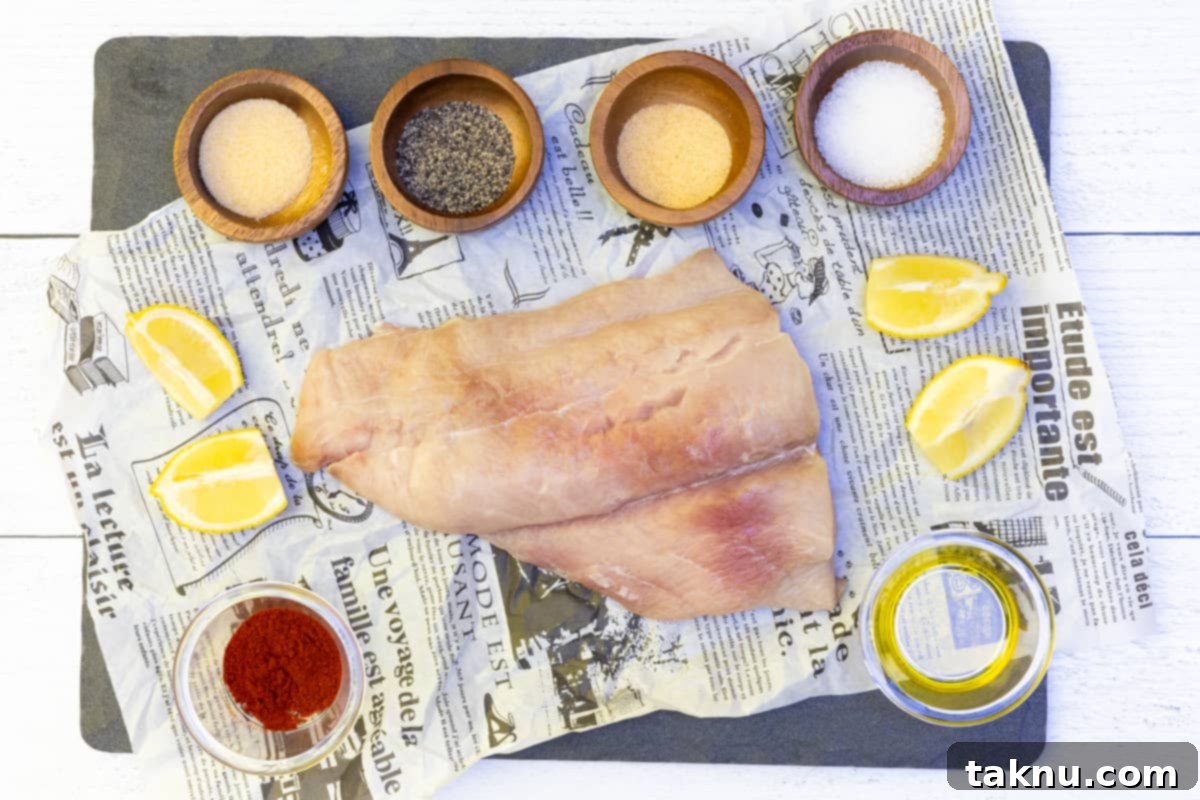
These particular fillets were sourced from Wild Fork Foods, and I can attest to their excellent quality and convenient shipping. If you reside far from a well-stocked fish counter, online delivery services are a fantastic alternative. When selecting mahi mahi, look for fillets that are firm to the touch, have a moist appearance, and a fresh, mild scent – avoid any strong “fishy” odors. Mahi mahi is almost exclusively wild-caught, making it a great sustainable seafood choice. It’s prized for its lean meat, moderately firm texture, and moist, large flakes that effortlessly separate once cooked. Its mild, sweet flavor makes it incredibly popular and versatile for various cooking methods, especially grilling.
Cleaning & Fileting (If Applicable)
If you’re an avid angler and using a fish you’ve caught yourself, the first step is to properly filet it and remove the skin. Once you have your beautiful fillets, cut them into manageable 6-8 inch pieces. This ensures even cooking and easier handling on the grill.
However, if you’re like most home cooks and purchase your mahi mahi from a fish market or grocery store, it will typically come pre-prepared. Expect skinless fillets, each weighing around 6-8 ounces, which is the perfect portion size for grilling. This convenience means you can jump straight into the next exciting step!
Rinsing & Expert Seasoning Tips
Once you have your mahi mahi fillets ready, gently rinse them under cold running water. This helps remove any loose scales or impurities. After rinsing, place the fillets on a plate or cutting board and allow them to rest on the counter to come to room temperature for about 15-20 minutes. This seemingly small step is crucial: grilling fish directly from the refrigerator can lead to uneven cooking, where the exterior cooks much faster than the colder interior, resulting in a dry outside and undercooked inside. Room temperature fish cooks more uniformly, ensuring a tender and juicy result throughout.
Once the fillets are rinsed and approaching room temperature, lightly coat both sides with olive oil. This serves two important purposes: firstly, it acts as a binder, helping your delicious seasoning blend adhere perfectly to the fish. Secondly, the oil creates a barrier that helps prevent the delicate fish from sticking to the hot grill grates, ensuring beautiful grill marks and easy flipping.
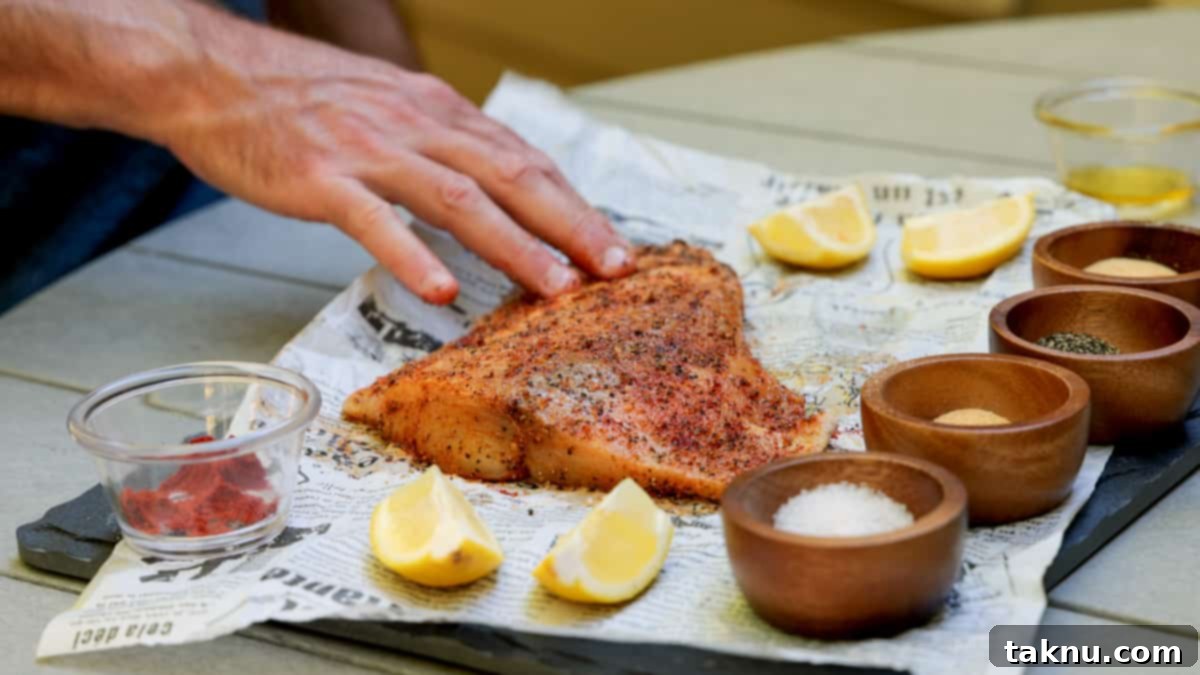
Now for the flavor! Liberally season both sides of each fillet with your chosen spice blend – sea salt, black pepper, garlic powder, onion powder, and smoked paprika. Don’t be shy with the seasoning; mahi mahi can handle bold flavors. The smoked paprika, in particular, will impart a beautiful reddish-orange color to the fish, creating an appealing grilled finish. Ensure an even coating on all surfaces for maximum flavor penetration and a delicious crust.
How to Perfectly Grill Mahi Mahi
This is where the magic happens! With your mahi mahi perfectly prepped and seasoned, it’s time to fire up the grill and cook what might just become your new favorite fish recipe. High heat and precise timing are the secrets to succulent, flaky grilled mahi mahi.
Setting Up Your Grill for Success
Begin by firing up your grill to a high temperature, aiming for an internal grill temperature of 400°F (200°C). For this recipe, I often use my reliable Weber Genesis grill (affiliate link), which, being propane-fueled, heats up remarkably fast and provides consistent high heat. High heat is essential for searing the outside quickly, locking in moisture, and preventing the fish from sticking.
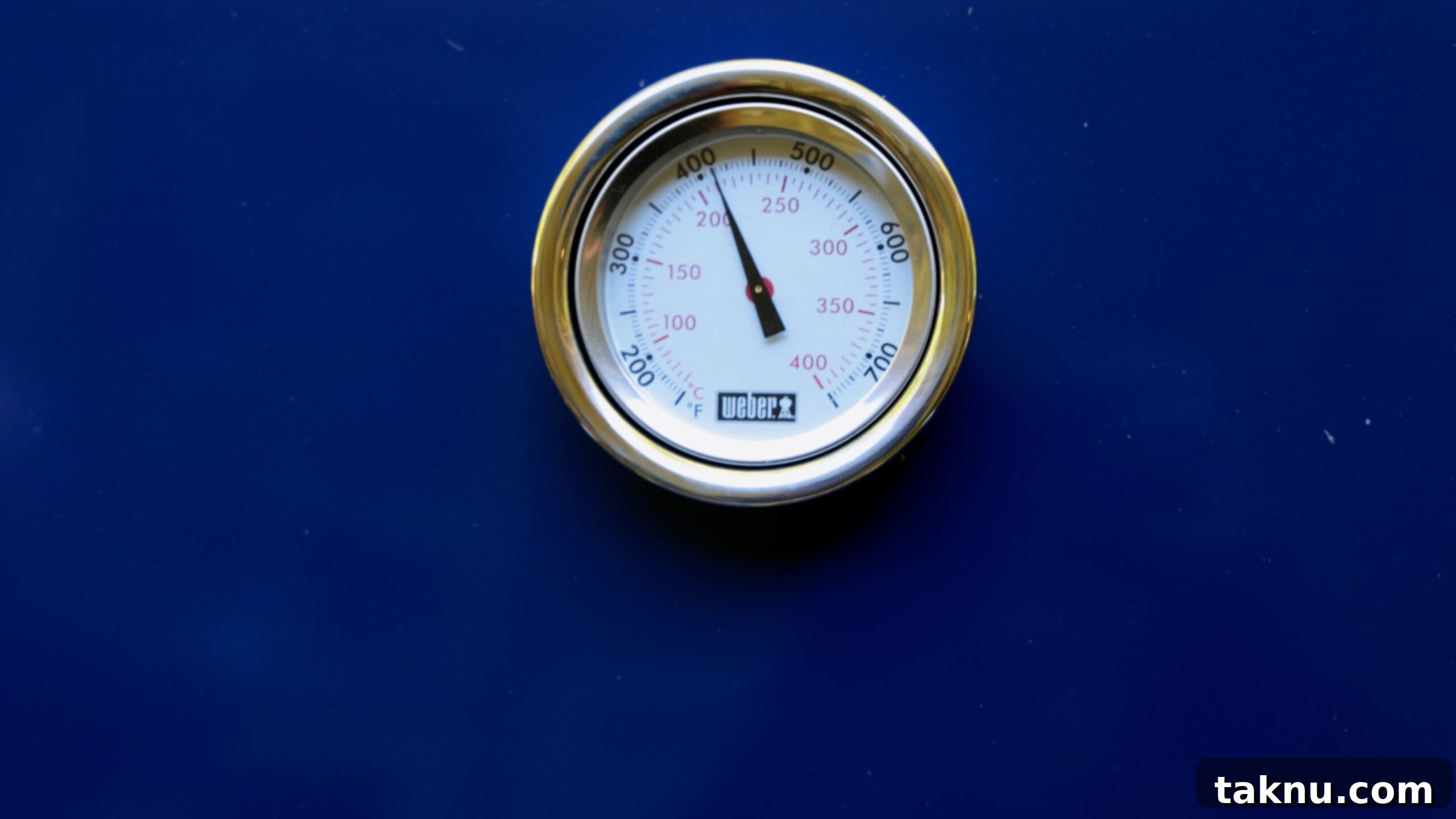
If you’re using a charcoal grill, light your briquettes and allow them to burn until they are completely covered in a uniform gray ash, indicating they are at their peak heat and ready for cooking. Once the coals are ready, spread them evenly across the bottom of the grill to create a consistent heat zone. Regardless of your grill type, always take a moment to clean your grill grates thoroughly with a sturdy grill brush. This removes any leftover food particles that could cause your fish to stick and ensures those beautiful, clean grill marks.
A clean, hot grill is your best friend when cooking fish. It creates a non-stick surface and allows for an even sear, essential for that perfect flaky texture and rich flavor.
Grilling the Mahi Mahi Fillets
Once your grill is perfectly preheated to 400°F (200°C) and the grates are clean, carefully lay the seasoned mahi mahi fillets directly onto the hot grill grates. Since these are skinless fillets, there’s no “skin side down” to worry about; just place one side down first. Close the lid to help maintain a consistent temperature and ensure even cooking. Mahi mahi fillets are typically about 1 inch thick, requiring a quick cook time of approximately 4-5 minutes per side. This hot and fast method is ideal for fish, as it cooks through quickly before drying out.
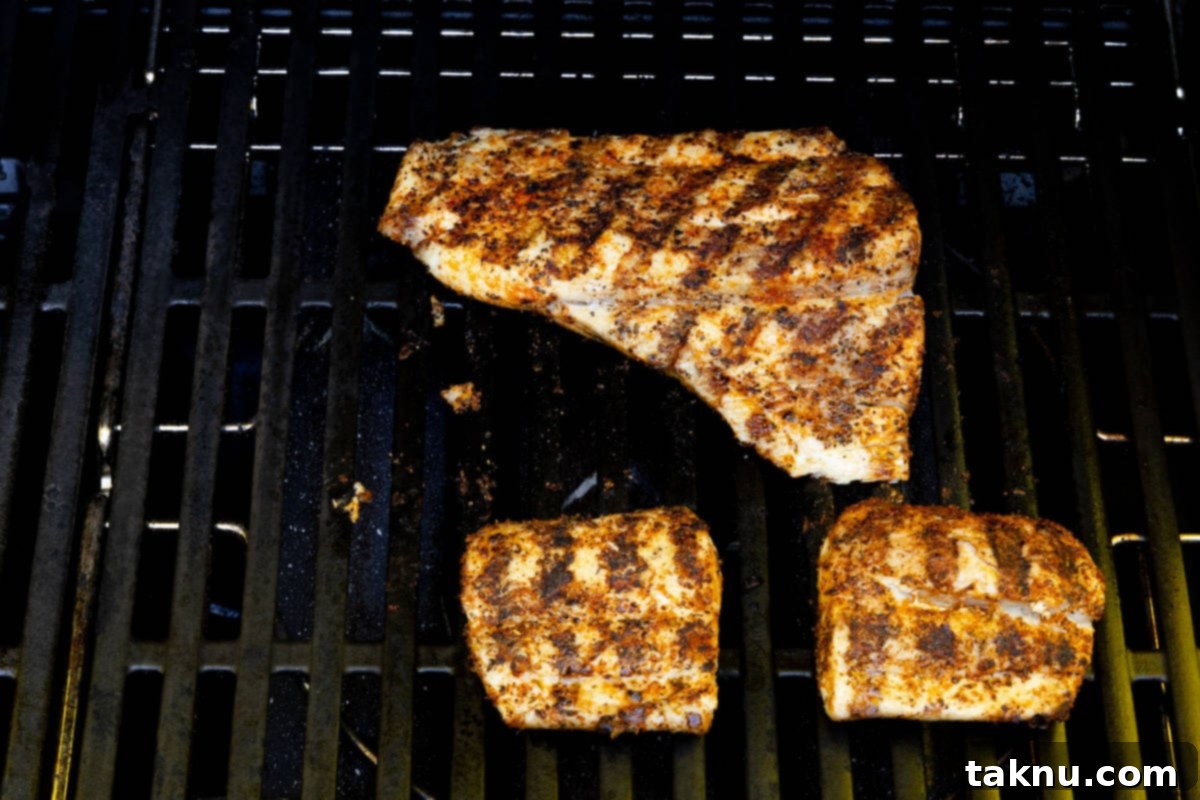
After the first 4-5 minutes, it’s time to flip the fillets. Use a wide, thin spatula to gently lift and turn each piece. A key indicator that the fish is ready to flip is that it should release easily from the grill grates without sticking. If it adheres to the grates, allow it to cook for another 1-2 minutes before attempting to flip again. Forcing it off too early will tear the delicate fish. Once flipped, continue to grill for another 4-5 minutes with the lid closed until both sides are beautifully seared and cooked through.
Confirming Doneness: The Flake Test and Temperature
After the mahi mahi has grilled for a total of 8-10 minutes (4-5 minutes per side), it’s time to test for doneness. This ensures your fish is perfectly cooked – moist and tender, never dry or rubbery.
The simplest method is the “flake test.” Using a fork, gently pull a small piece of meat from the thickest part of the fillet. The fish should separate easily into moist, opaque flakes. You should not see any translucent, glassy, or raw-looking meat. The entire fillet should appear white and flaky.
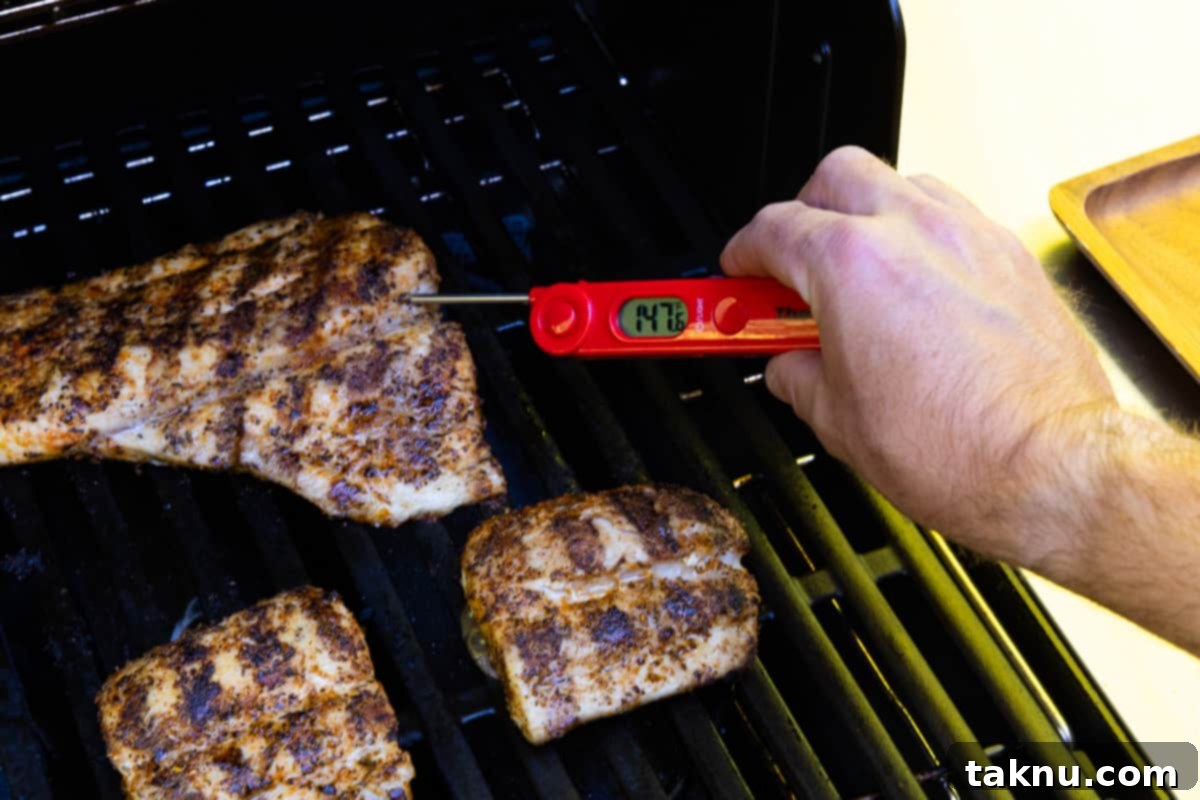
For absolute precision, especially if you’re new to cooking fish, use a reliable meat thermometer (affiliate link). Insert it into the thickest part of the fillet. The internal temperature should register between 140-145°F (60-63°C). Cooking to this range ensures the fish is safely cooked while remaining wonderfully moist and flavorful. Once it reaches this temperature, it’s done!
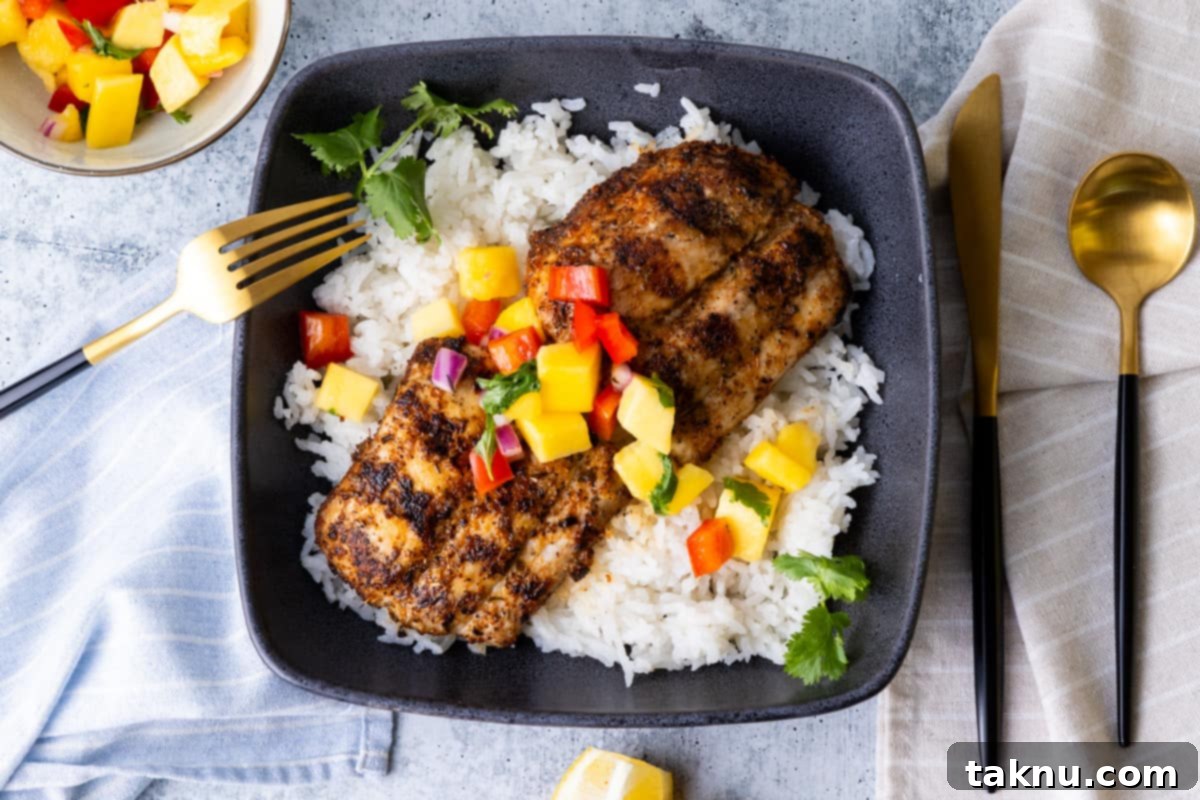
Remove the perfectly cooked mahi mahi from the grill immediately and transfer it to a serving platter. Let it rest for a minute or two, which allows the juices to redistribute, ensuring maximum tenderness. Serve it with your favorite side dishes. I highly recommend a vibrant mango salsa, which provides a fantastic sweet and tangy contrast to the savory fish. A squeeze of fresh lemon juice over the top adds a bright, zesty finish, and serving it atop a bed of fluffy white rice is my absolute favorite way to enjoy this meal. This versatile grilled mahi mahi would also be exceptional in fresh fish tacos, drizzled with a creamy lime sauce and crunchy slaw.
Frequently Asked Questions About Grilled Mahi Mahi
Grilled mahi mahi has a delightful sweet and mild flavor profile, complemented by a moderately firm yet tender texture that flakes beautifully when cooked correctly.
Absolutely! Mahi mahi is considered an excellent choice for fish. It’s low in calories, boasts low mercury levels, and is almost always wild-caught, which makes it a superior and more sustainable option compared to many farm-raised fish.
To check for doneness, use a fork to gently separate a piece of meat from the thickest part of the fillet. If it’s fully cooked, it should flake off easily and appear entirely white and opaque. No translucent or raw-looking meat should be visible. For precise results, an internal temperature of 140-145°F (60-63°C) is ideal.
Yes, you can! If using frozen mahi mahi, ensure it is fully thawed in the refrigerator overnight or under cold running water before you begin the rinsing and seasoning steps. Pat the thawed fillets dry with paper towels to remove excess moisture, which helps achieve a better sear on the grill.
Perfect Side Dishes to Complement Grilled Mahi Mahi
Pairing your delicious grilled mahi mahi with the right side dishes can elevate your meal from great to extraordinary. Here are some fantastic options that beautifully complement the fish’s mild, sweet flavor and firm texture:
- Mango Salsa – (from Two Peas & Their Pod) – A vibrant, fresh, and slightly sweet salsa that provides a wonderful tropical contrast.
- Cilantro Lime Rice – (from Lil’ Luna) – A zesty and aromatic rice dish that serves as a refreshing base for the fish.
- Smoked Bacon Wrapped Asparagus – (from Jerkyholic) – A savory and smoky vegetable side that adds a delicious crunch and richness.
- Old-Fashioned Coleslaw – (from My Homemade Roots) – A creamy, tangy, and crunchy classic that offers a refreshing balance.
- Grilled Vegetables: Think zucchini, bell peppers, or corn on the cob, lightly seasoned and grilled alongside the mahi mahi for a complete BBQ experience.
- Quinoa Salad with Feta and Cucumber: A light, protein-rich salad offering a refreshing and healthy accompaniment.
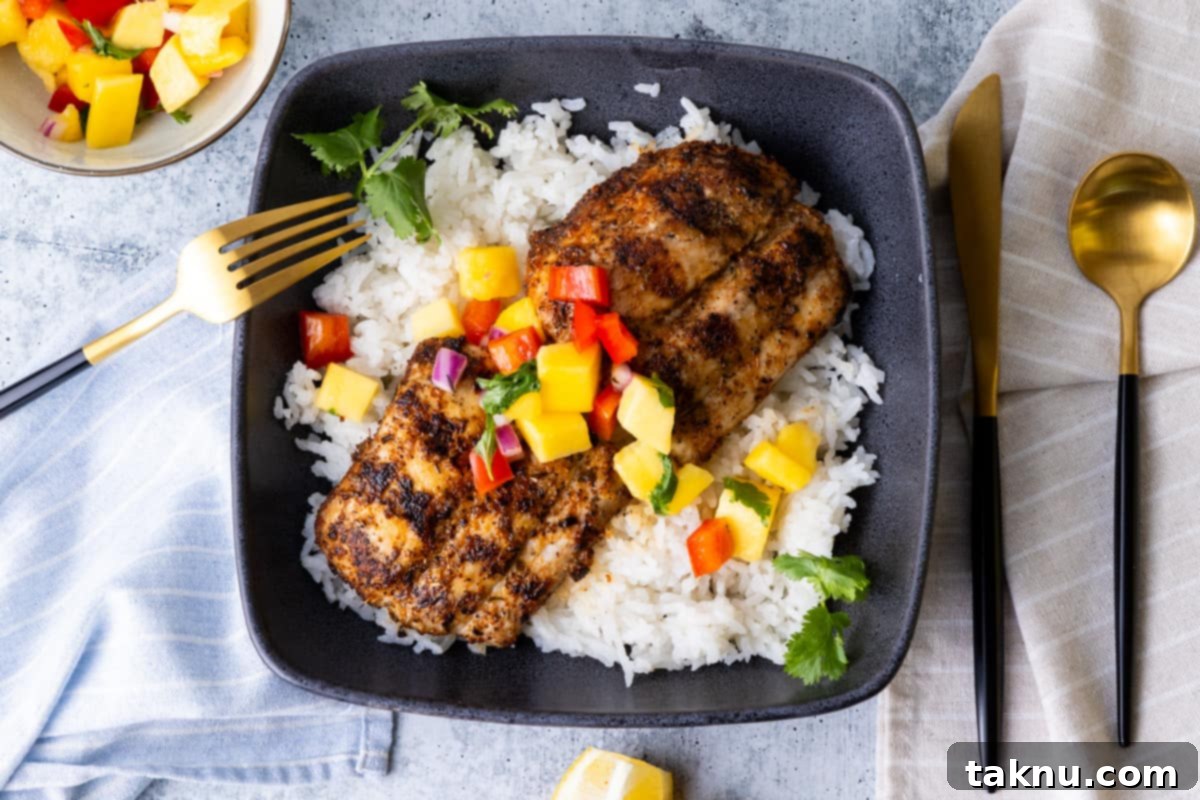
Flame Grilled Mahi Mahi
Pin Recipe
Ingredients
- 4 fillets Mahi Mahi (6-8 oz each)
- 1 tablespoon olive oil
- 1 teaspoon sea salt
- 1 teaspoon black pepper
- 1 teaspoon garlic powder
- 1 teaspoon onion powder
- 1 teaspoon smoked paprika
Instructions
- Gently rinse the mahi mahi fillets under cold water and pat them dry with paper towels. Allow them to rest on the counter for about 15-20 minutes to reach room temperature before grilling.
- Lightly coat both sides of each fillet with olive oil. Then, liberally season both sides with equal parts of sea salt, black pepper, garlic powder, onion powder, and smoked paprika, ensuring an even coating.
- Preheat your grill to a high temperature, aiming for 400°F (200°C). Once hot, clean the grates with a grill brush. Place the seasoned fillets directly on the grill grates and close the lid. Cook for 4-5 minutes on the first side.
- Gently flip the fillets and continue to grill for another 4-5 minutes. The fish is fully cooked when it flakes easily with a fork or when an internal temperature of 140-145°F (60-63°C) is reached, as tested with a meat thermometer.
- Carefully remove the cooked mahi mahi from the grill and transfer to a serving platter. Allow to rest for a minute or two, then serve immediately with your favorite side dishes and a squeeze of fresh lemon juice.
- We love hearing from you! Please share how much you enjoyed this delicious grilled fish and leave us a review. Thanks for cooking with us!
Video
Pro Tips for Perfect Mahi Mahi
- Don’t Rush the Flip: The fish will naturally release from the grill grates when it’s ready to be flipped. If it’s sticking, resist the urge to force it. Let it cook for another 1-2 minutes, and it should come off cleanly, ensuring a beautiful crust and preventing the fillet from tearing.
- Heat is Your Friend: Always ensure your grill is fully preheated to at least 400°F (200°C) before placing the fish. Cooking mahi mahi hot and fast is the key to achieving a tender, juicy interior and a delicious, lightly charred exterior. This method locks in moisture and prevents the fish from drying out.
- Room Temperature Matters: Allowing your mahi mahi fillets to come to room temperature before grilling (about 15-20 minutes) helps ensure even cooking. Cold fish cooks unevenly, leading to a dry exterior and undercooked center.
- Generous Seasoning: Mahi mahi can handle a good amount of seasoning. Don’t be shy when applying your spice blend; it contributes significantly to the overall flavor and crust.
- Rest for Juiciness: Just like meat, fish benefits from a short rest after cooking. Transfer the fillets to a platter and let them sit for 1-2 minutes before serving. This allows the juices to redistribute, resulting in a more tender and flavorful fish.