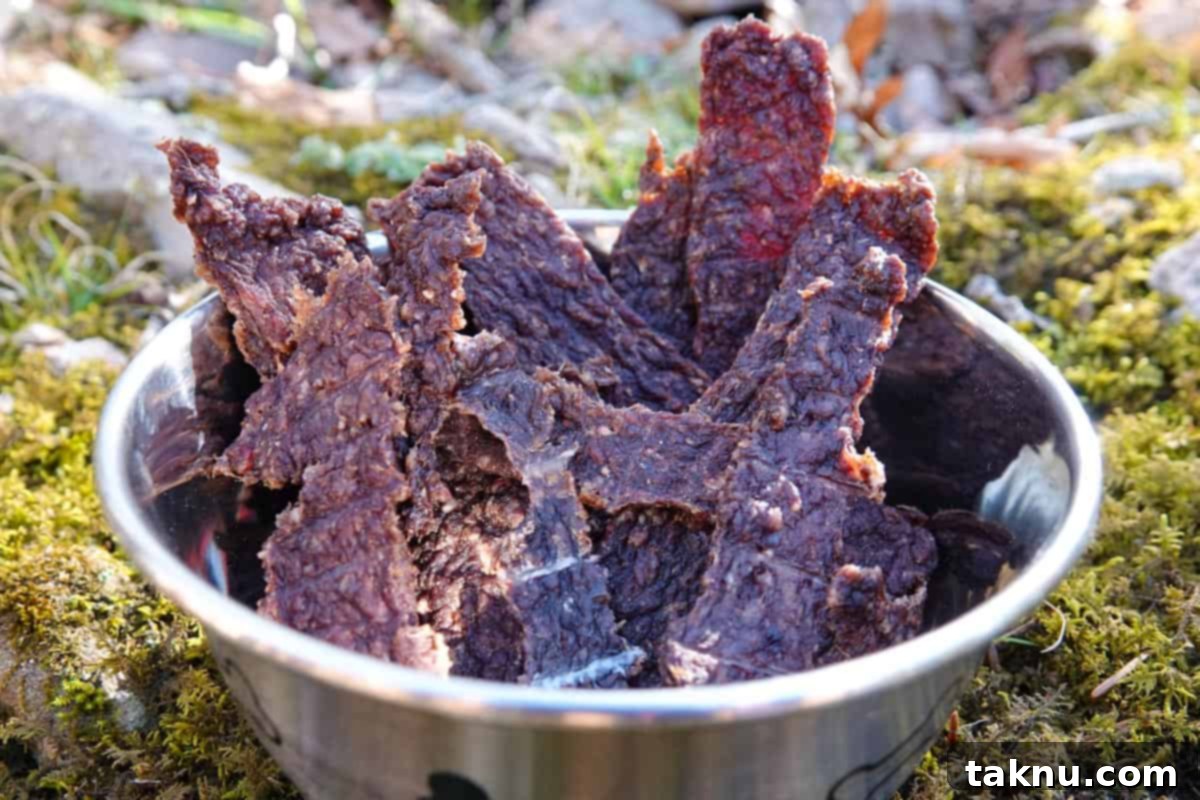
Homemade Dog Jerky: The Ultimate Guide to Healthy & Delicious Treats for Your Furry Friend
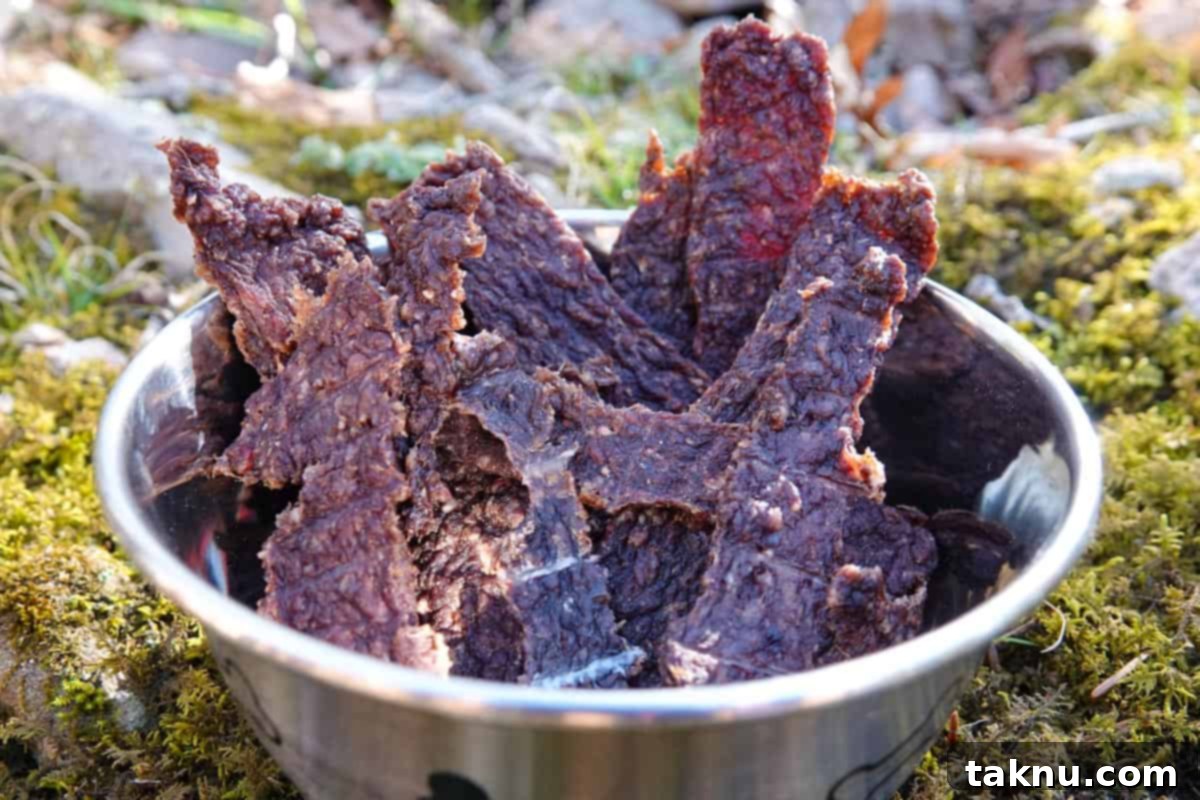
Calling all devoted dog owners! Are you looking for a fantastic way to spoil your beloved canine companion while ensuring they eat only the healthiest ingredients? Look no further than homemade beef jerky for dogs! This guide will show you how to create delicious, wholesome, and preservative-free jerky that your dog will absolutely adore. Forget about store-bought alternatives packed with questionable fillers, artificial flavors, and unhealthy chemicals. With this simple recipe, you’re in control of every ingredient, providing your best friend with a treat that’s not only tasty but also incredibly good for them. Making your own dog jerky is super easy, cost-effective, and guarantees endless tail wags!
[feast_advanced_jump_to]
Watch: How to Make Easy & Healthy Jerky for Dogs
For a quick visual guide and to see just how straightforward it is to create these delightful dog treats, watch our step-by-step video. It covers all the essential techniques, from preparing the meat to drying the jerky, ensuring you master the process with confidence.
Choosing the Best Meat for Your Dog’s Jerky
The foundation of any great jerky lies in the quality of the meat, and for your canine companion, lean ground meat is highly recommended. When you’re at the grocery store, look for packages that are 10% fat or less. This is typically labeled as 90:10 ground beef, indicating 90% meat and 10% fat. Using leaner meat is crucial for dog jerky as excess fat can cause the jerky to spoil faster and can also upset a dog’s digestive system.
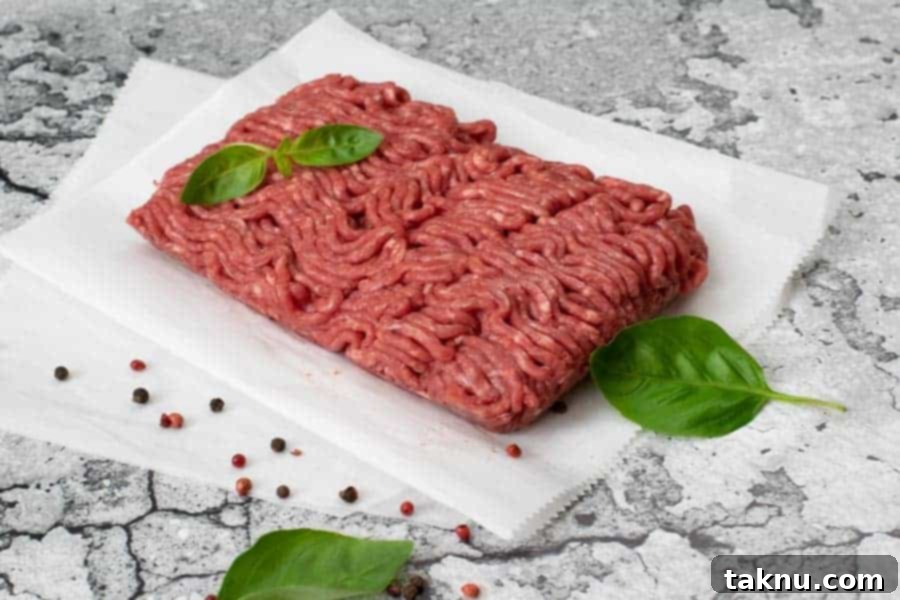
While beef is a popular choice, you can also experiment with other lean ground meats such as venison, turkey, or chicken. If opting for poultry, remember to ensure it reaches an internal temperature of 165°F during the drying process to eliminate any bacteria. This is especially important for food safety.
If you’re adventurous enough to grind your own meat at home, consider adding a small amount of organ meat, such as liver. Organ meats are nutrient-dense powerhouses, packed with vitamins and minerals that are incredibly beneficial for dogs. Not only do they boost the nutritional profile, but dogs also absolutely *love* the rich flavor! For optimal texture when grinding your own meat, start by grinding through a ⅜” plate, followed by a finer ⅛” plate. This two-step grinding process creates a consistent texture perfect for shaping into jerky strips.
Always aim for the freshest possible meat to ensure the best quality and safety for your homemade dog treats. This careful selection of lean, high-quality meat is the first step towards making healthy and delicious jerky that your dog will crave.
Safe and Beneficial Spices for Dog Jerky
When it comes to flavoring your homemade dog jerky, it’s essential to remember that dogs have different dietary needs than humans. Traditional beef jerky for humans often contains high amounts of salt, sugar, and various spices that can be detrimental to a dog’s health. For our furry friends, salt is strictly unnecessary and can be harmful in large quantities. The key is to keep seasonings minimal, natural, and specifically dog-safe.
Thankfully, several common household spices offer fantastic health benefits for dogs without any risks. According to experts like The Dog People, these spices can add a healthy boost to your dog’s treats:
Cinnamon – A Sweet & Healthy Addition
- Cinnamon is a wonderful spice known for its anti-inflammatory properties and high antioxidant content. It can help regulate blood sugar levels, making it potentially beneficial for dogs with diabetes or those at risk. Furthermore, a touch of cinnamon can even help combat bad breath, a common concern for many dog owners! Just ensure you use Ceylon cinnamon, as Cassia cinnamon (the more common variety) can be toxic in large quantities for dogs.
Turmeric – The Golden Health Booster
- This vibrant yellow spice is celebrated for its powerful anti-inflammatory and antioxidant effects, primarily due to its active compound, curcumin. Turmeric can significantly aid in weight management, support heart health, improve joint mobility, and boost cognitive function. It’s a fantastic all-around supplement for your dog’s general well-being, contributing to a healthier and more active life.
Ginger – A Digestive Aid
- Beyond its distinctive taste, ginger is renowned for its digestive benefits. It can effectively soothe an upset stomach, alleviate nausea, and reduce motion sickness. If your dog is prone to tummy troubles or gets queasy on car rides, incorporating a little ginger into their treats can be incredibly helpful. It’s also known for its anti-inflammatory properties, which can help with joint pain.
Always introduce new spices in small amounts to observe your dog’s reaction, and if you have any concerns about your dog’s diet or specific health conditions, it’s always best to consult with your veterinarian before adding new ingredients.
Crafting Homemade Jerky Strips for Your Dogs
Once you’ve selected your lean meat and dog-safe spices, the process of preparing the jerky is straightforward and fun! Begin by adding a few teaspoons of your chosen spice (or a combination of spices) to 1lb of ground meat. For instance, you might use 1 teaspoon of cinnamon per pound of beef. These spices not only enhance the flavor but also contribute those wonderful health benefits we discussed.
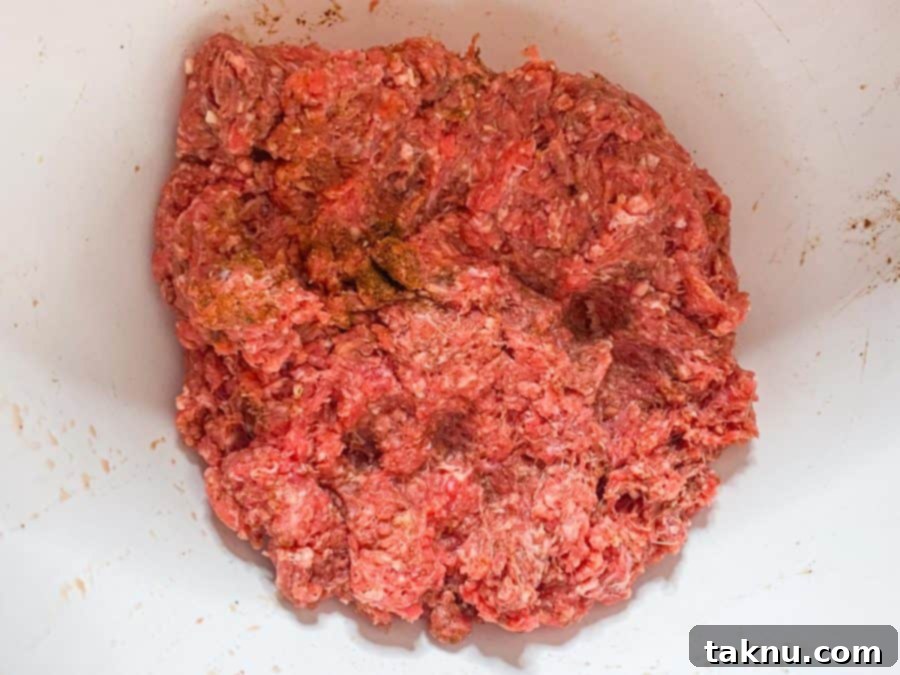
Next, add 2 tablespoons of cold water to the mixture. This helps in distributing the spices evenly and creates a more pliable consistency for shaping. Using your hands, thoroughly mix the spices and water into the ground meat until everything is well combined. This ensures every piece of jerky will be packed with flavor and beneficial nutrients.
There are two primary methods for transforming your seasoned ground meat into perfect dog jerky strips:
- The Hand-Flattening Method: For smaller batches (1lb or less), this method is ideal. Place the ground meat between two sheets of parchment paper or wax paper. Using your hands or a rolling pin, flatten the meat evenly to about ¼” thick. Consistency in thickness is key for even drying. Once flattened, use a sharp knife or a pizza cutter to score the meat into strips, approximately 4-5 inches long and 1 inch wide. This method offers great control and is perfect if you don’t have specialized equipment.
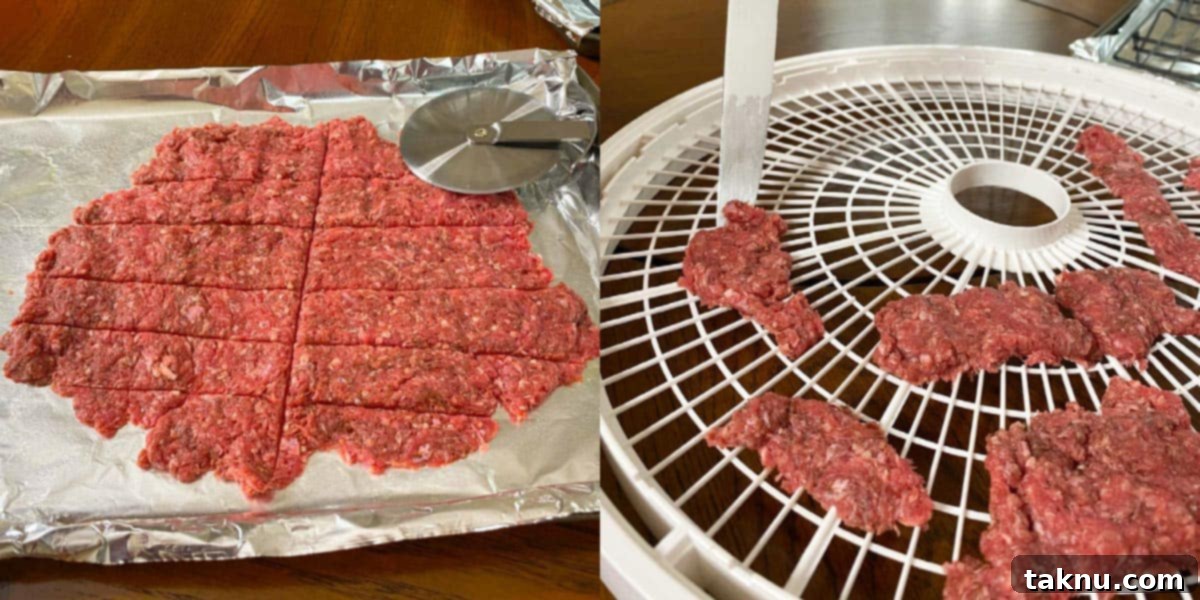
Carefully transfer these scored jerky strips onto either a dehydrator tray or an oven tray topped with a cooling rack. A dull knife or spatula can assist in lifting the strips without deforming them.
- The Jerky Gun Method: If you plan to make larger quantities of dog jerky regularly, a jerky gun is an invaluable tool. Pack the flavored ground meat firmly into the jerky gun. Then, simply extrude the meat directly onto your dehydrator trays or an oven tray fitted with a cooling rack. A jerky gun creates uniform strips quickly and efficiently, making the process much faster and easier, especially when working with more than 1lb of meat.
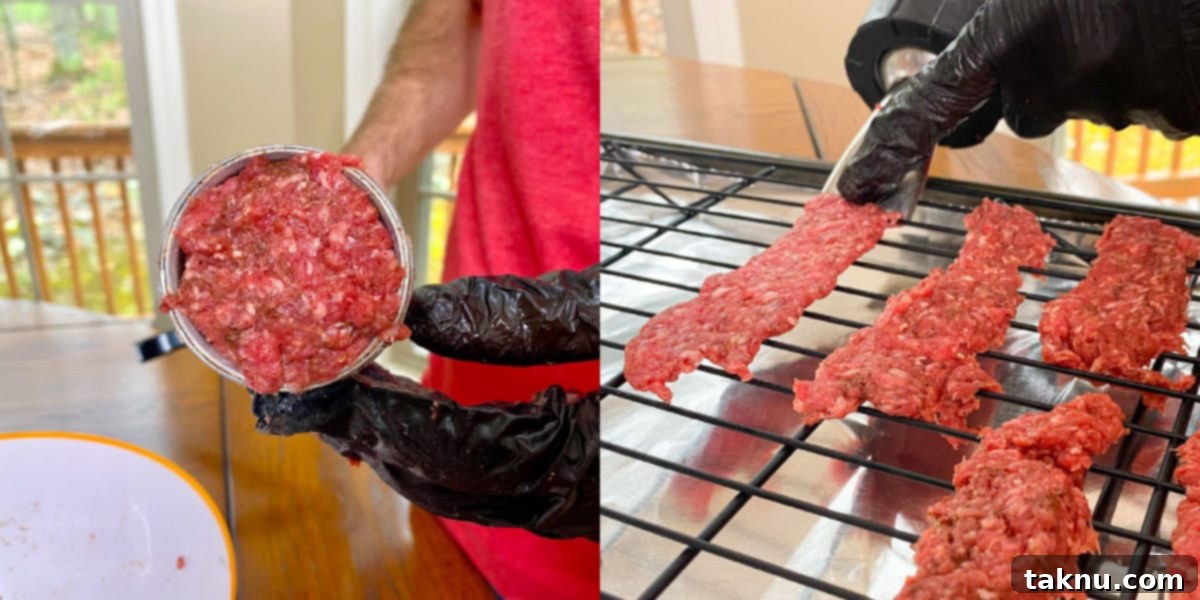
Whichever method you choose, remember that uniform thickness is vital for consistent drying. Uneven strips will dry at different rates, leading to some pieces being over-dried and others potentially not dried enough, which can affect shelf life and safety.
Dehydrating Your Homemade Dog Jerky
Dehydrating is the process of removing moisture from food, which inhibits bacterial growth and preserves the jerky. Both a dedicated food dehydrator and a conventional oven can yield excellent results for dog jerky. If this is your first time making jerky, starting with your oven is a great way to test the waters before investing in specialized equipment. Utilize what you already have!
Using a Food Dehydrator
A food dehydrator is designed to circulate warm air evenly, making it an efficient tool for jerky. Arrange your prepared jerky strips on the dehydrator trays, ensuring there’s a little space between each strip for optimal airflow. Turn your dehydrator on high, typically around 160°F (71°C), and allow the jerky to dry for approximately 3-5 hours. The exact time can vary depending on your dehydrator model, the thickness of your jerky, and the humidity in your environment. It’s crucial to check the jerky periodically to monitor its progress.
If you’re using ground chicken or turkey, extending the drying time or ensuring the meat reaches an internal temperature of at least 165°F (74°C) is highly recommended for food safety. You can achieve this by briefly placing the partially dried jerky in a preheated oven at 275°F (135°C) for 10 minutes, then returning it to the dehydrator to finish drying.
Using a Conventional Oven
Your regular kitchen oven can also be effectively used for making dog jerky, especially if it has a low-temperature setting. Arrange the jerky strips on a cooling rack placed on top of a baking sheet. The cooling rack is essential as it allows air to circulate around the jerky, promoting even drying. Preheat your oven to its lowest setting, usually between 180° – 200°F (82° – 93°C).
Once the oven is preheated, place the tray of jerky inside. The most critical step when using an oven for dehydration is to prop the oven door open slightly with a wooden spoon. This small gap allows moisture to escape from the oven, preventing the meat from cooking or steaming and instead allowing it to dry out properly. Dry the jerky for 3-5 hours, again, keeping an eye on it and testing for doneness as described below.
Regardless of the method you choose, proper air circulation is vital. Avoid overcrowding the trays, as this can hinder drying and lead to uneven results. Patience is key, as perfectly dried jerky ensures both safety and a longer shelf life for your homemade treats.
Knowing When Your Dog Jerky Is Perfectly Done
Determining when your homemade dog jerky is perfectly dehydrated is crucial for both texture and preservation. The ideal texture for dog jerky is firm yet pliable. You want the jerky to bend and crack, but it shouldn’t snap completely in half when bent. If it breaks cleanly in two, it’s slightly over-dried, which isn’t necessarily a bad thing for dog jerky since it contains no preservatives like salt. Rest assured, your dog won’t mind if their treat is a little extra crispy!
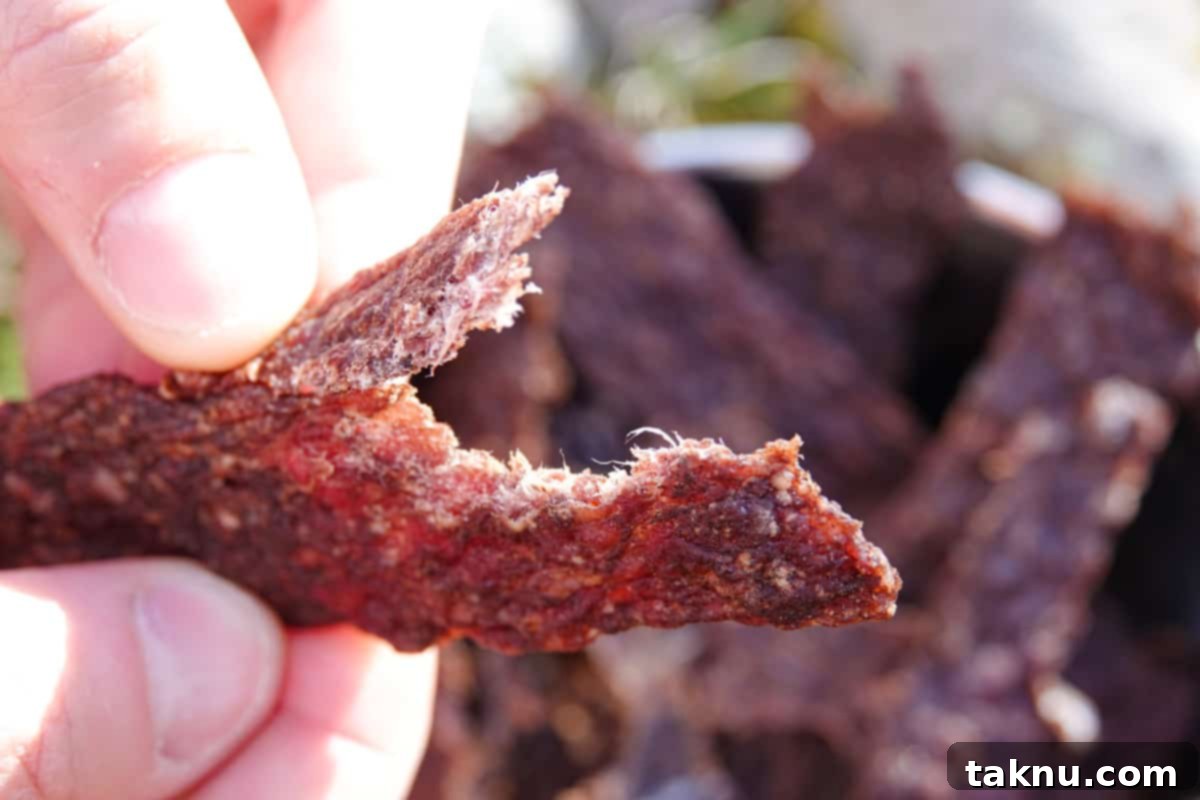
To test for doneness, carefully remove a piece of jerky from the dehydrator or oven and allow it to cool for about 5 minutes. Jerky will feel more flexible when warm and will stiffen as it cools. Once cooled, bend the strip. If you feel any lingering moisture or if the jerky still feels soft and spongy, it needs more drying time. Continue dehydrating in 30-minute to 1-hour increments, testing regularly until you achieve the desired bend-and-crack consistency.
Once all the jerky is perfectly dried and cooled, it’s time to prepare it for your eager pup. Using kitchen scissors, cut the jerky strips into manageable 1-inch pieces. This size is ideal for most dogs as a treat and helps prevent them from swallowing large pieces whole. Uniformly sized treats also make for easier portion control.
Properly dried jerky is not only safer but also significantly extends the shelf life of your homemade treats, ensuring your dog can enjoy them for longer.
Storing Your Homemade Dog Jerky
Because your homemade dog jerky is free from artificial preservatives and salt, proper storage is paramount to maintain its freshness and prevent spoilage. Unlike human jerky, which often has a longer shelf life at room temperature due to high salt content, dog jerky needs to be refrigerated or frozen.
For short-term storage (up to 2-3 weeks), the refrigerator is the best place. Once the jerky has completely cooled to room temperature, place the cut pieces in an airtight container or a resealable ziplock bag. Storing it in the fridge will significantly slow down any potential bacterial growth, keeping the treats fresh and safe for your dog to enjoy. Make sure no moisture can get in, as this can encourage mold growth.
If you’ve made a large batch of jerky and wish to store it long term, freezing is your best option. For optimal freezer storage, a vacuum sealer is highly recommended. Vacuum sealing removes air from the packaging, which is the primary cause of freezer burn and quality degradation. Once vacuum-sealed, the jerky can be stored in the freezer for several months, typically 3-6 months, without losing its quality or flavor. If you don’t have a vacuum sealer, a heavy-duty freezer-safe ziplock bag with as much air pressed out as possible will also work, though for a slightly shorter duration.
Always ensure the jerky is completely cool and dry before storing it, regardless of the method. Any residual moisture can lead to mold development. By following these storage guidelines, you can ensure your healthy homemade dog jerky stays delicious and safe for your furry friend for an extended period.
Frequently Asked Questions About Dog Jerky
Yes, it is perfectly safe for humans to eat! However, because it contains no salt and minimal seasoning specifically chosen for dogs, it will likely taste quite bland compared to traditional jerky for humans. It’s healthy, just not very flavorful for our palates.
Absolutely! This homemade jerky is incredibly healthy. It’s packed with lean protein, contains very little fat, and is infused with beneficial, dog-safe spices. It’s a far superior option to many commercial dog treats that are often loaded with unhealthy fillers, artificial ingredients, and excessive preservatives.
Yes, you certainly can! Ground chicken or turkey are excellent lean alternatives. When making jerky with poultry, we recommend using the oven method and ensuring the oven temperature is set to at least 200°F (93°C). This helps guarantee the meat reaches an internal temperature of 165°F (74°C), which is crucial for eliminating any potential bacteria and ensuring the jerky is completely safe for consumption.
For longer storage, always ensure the jerky is thoroughly dried. Any residual moisture can lead to mold. The best way to store large batches long-term is by vacuum sealing the cooled jerky and then freezing it. This method can keep the jerky fresh for up to 6 months.
Start with just one dog-safe spice like cinnamon or ginger in a small batch. Some dogs prefer plain meat jerky. You can also mix a new treat with their regular food to encourage them to try it, or offer it as a high-value reward during training.
Pro Tips for Perfect Dog Jerky
- Easy Cleanup: Line your oven trays with aluminum foil or parchment paper before placing the cooling rack. This will catch any drips or crumbs, making cleanup a breeze after the jerky is done.
- Perfect Portions: Once the jerky is dried and cooled, use kitchen scissors to easily cut it into bite-sized treats. This ensures consistent portion sizes and makes it convenient for training or daily rewards.
- Nutrient Boost: If you’re grinding your own meat, consider adding a small amount of organ meat, such as liver or heart. These are packed with essential vitamins and minerals that will further enhance the nutritional value of your dog’s treats.
- Uniform Thickness is Key: Strive for consistent ¼” thickness across all jerky strips. This ensures that every piece dries evenly, preventing some pieces from being under-dried (and prone to spoilage) while others become overly brittle.
- Rotate Trays: If using a dehydrator with multiple trays, or an oven, rotate the trays periodically throughout the drying process. This helps ensure even exposure to heat and airflow, promoting consistent dehydration.
- Cool Completely: Always allow the jerky to cool completely to room temperature before storing. Storing warm jerky can trap moisture and lead to mold growth.
Explore More Jerky Making Guides
- How to Make Beef Jerky in a Dehydrator
- Beef Jerky Recipes (75+ Homemade Jerky Recipes)
- Chicken Jerky
If you’re eager to delve deeper into the art of jerky making, whether for your pets or for human consumption, these resources offer additional tips, techniques, and a wide array of recipes to expand your jerky-making repertoire.
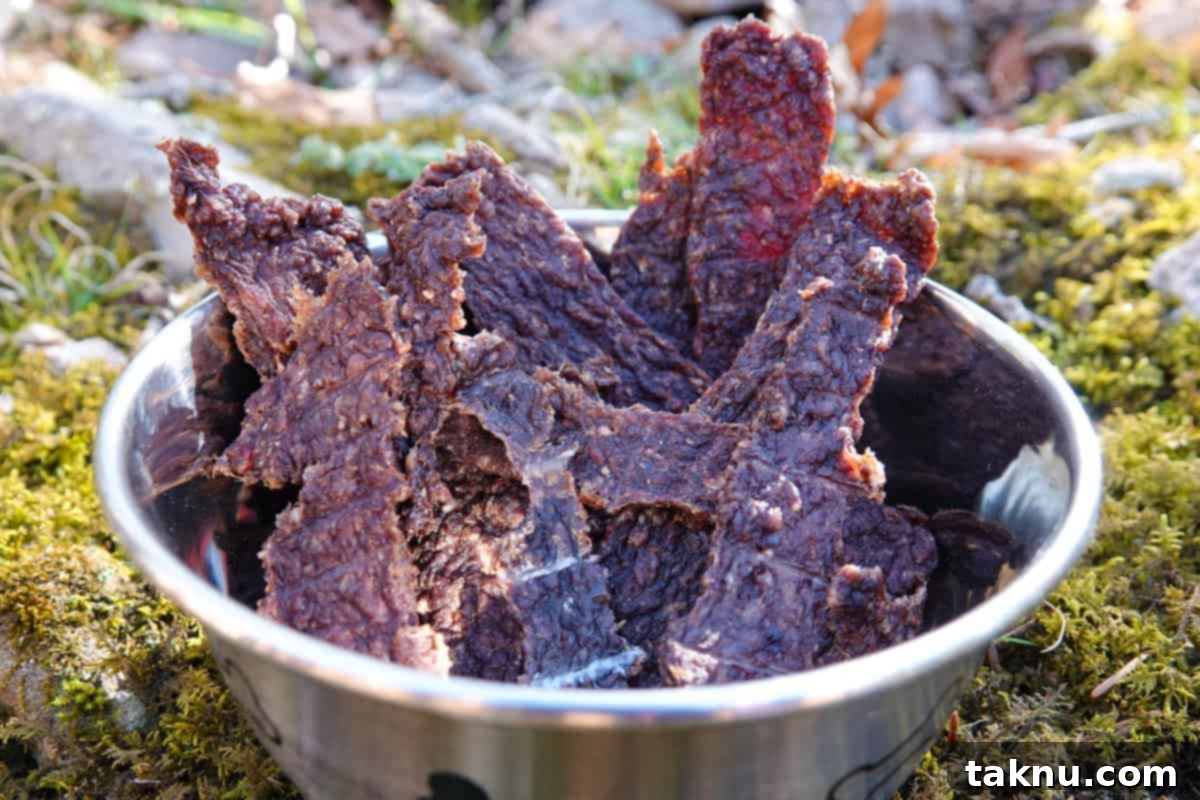
Healthy Homemade Dog Jerky
Pin Recipe
Ingredients
Lean Beef
- 1 lb Lean ground beef (10% fat or less, or other lean ground meat like turkey/venison)
Marinade / Seasoning
- 2 tablespoon cold water
- 1 teaspoon Ground Cinnamon (Ceylon type recommended, or substitute with Turmeric/Ginger)
Equipment

Instructions
- In a large bowl, combine your lean ground beef with the cold water and your chosen dog-safe spices (e.g., ground cinnamon, turmeric, or ginger).
- Using your hands, thoroughly mix the ground beef and seasonings until all ingredients are well incorporated and evenly distributed throughout the meat.
- Choose your shaping method:
Method 1 (Manual): Spread the ground meat evenly on a baking sheet, cover with wax paper or parchment paper, and roll with a rolling pin until the meat is uniformly ¼” thick.
Method 2 (Jerky Gun): Load the seasoned ground meat into a jerky gun and extrude uniform strips onto your prepared drying surface. - If using the manual method, slice the flattened meat into jerky strips, approximately 4-5″ long and 1″ wide. Carefully place these strips onto dehydrator trays or a cooling rack set on a baking sheet, ensuring there is space between each piece for airflow.
- Dehydrate the jerky:
Dehydrator: Dry on a high setting, typically 160°F (71°C), for 3-5 hours.
Oven: Dry in an oven set between 180°F – 200°F (82°C – 93°C) for 3-5 hours. Prop the oven door open with a wooden spoon to allow moisture to escape. - The jerky is finished when it feels dry to the touch, firm, and bends without breaking completely in half. If it’s too brittle and cracks easily, it’s slightly over-dried, which is fine for dog jerky. If it feels soft or moist, continue drying. Always allow a piece to cool for 5 minutes before testing.
- Once fully dehydrated and cooled, use kitchen scissors to cut the jerky strips into bite-sized 1″ square treats for your dog.
Video
Pro Tips
- Line your baking sheet with aluminum foil or parchment paper for significantly easier cleanup.
- Use kitchen scissors for effortless cutting of the dried jerky into perfect bite-sized treats.
- For an extra nutritional boost and flavor, incorporate a small amount of organ meat if you’re grinding your own meat.
- Ensure uniform thickness (approx. ¼ inch) for all jerky strips to promote even drying.
- Rotate dehydrator trays or oven racks every hour or so to encourage consistent dehydration across all pieces.
- Always allow jerky to cool completely to room temperature before storing to prevent condensation and mold.