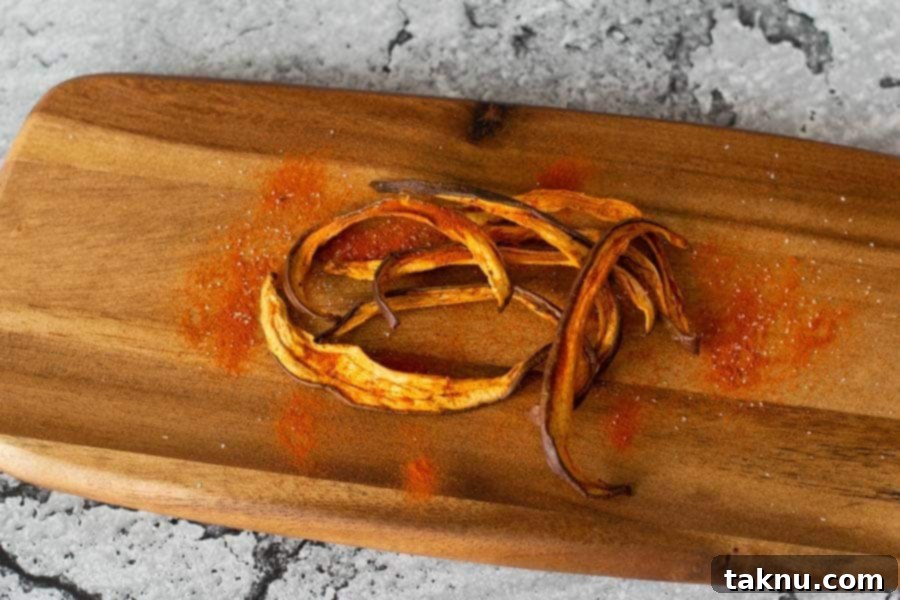
Crafting Delicious Vegan Tomato Eggplant Jerky: Your Ultimate Homemade Guide
Discover the delightful world of homemade eggplant jerky, a fantastic plant-based alternative to traditional meat snacks. This recipe is not just delicious; it’s a vibrant symphony of flavors, bursting with the fresh, aromatic essence of sun-ripened tomatoes and a medley of bright, garden-inspired seasonings. Imagine enjoying a savory snack that tastes as if it was just harvested – that’s the experience this eggplant jerky offers. It’s an ideal choice for anyone seeking a wholesome, flavorful, and satisfying treat.
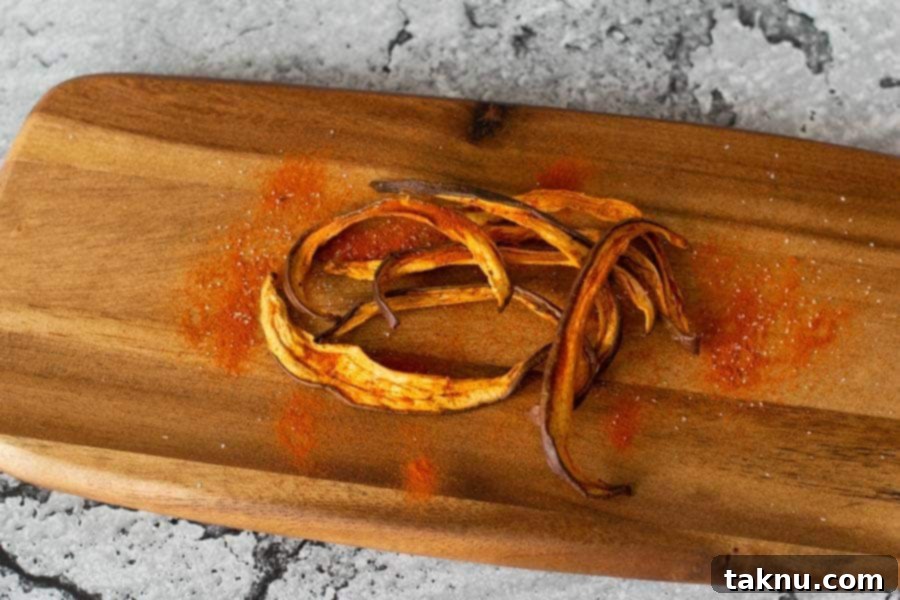
For those who choose not to eat meat, or simply wish to incorporate more plant-based options into their diet, eggplants, much like mushrooms, are an exceptional ingredient for crafting delicious jerky. Their unique texture and ability to absorb flavors make them a perfect canvas for creating savory, chewy snacks. Beyond their culinary versatility, eggplants offer significant nutritional benefits. They are notably high in dietary fiber, which is crucial for digestive health and can help maintain feelings of fullness, making this jerky a satisfying snack. Moreover, eggplants are remarkably low in calories, making them a “win-win” vegetable for health-conscious individuals. This combination of great taste, excellent texture, and nutritional value makes eggplant jerky a standout choice in the world of vegan snacks. Whether you’re a long-time vegetarian, a curious foodie, or simply looking for healthier snack alternatives, this tomato-infused eggplant jerky promises to be a delightful addition to your repertoire.
Selecting the Perfect Eggplant for Jerky
The foundation of exceptional eggplant jerky begins with selecting the right eggplant. When you’re at your local supermarket or farmers market, take your time to examine the options. Look for eggplants that exhibit smooth, shiny skin, free from blemishes, soft spots, or wrinkles. The color should be uniform and vibrant all around, indicating freshness and ripeness. Avoid any eggplants that appear dull or discolored, as these may be older and potentially more bitter. A dark, even purple hue (for common varieties) suggests optimal ripeness.
A simple yet effective test for ripeness is to gently press your finger into the skin. If it leaves a slight imprint that quickly springs back, the eggplant is perfectly ripe and ready for use. If it’s too hard and doesn’t yield, it’s likely underripe and may have a tough texture; if it leaves a deep, lasting indent, it might be overripe and mushy inside. While larger eggplants are more commonly found, many culinary experts suggest that smaller eggplants tend to be less bitter and possess a slightly sweeter flavor profile, which can be advantageous for jerky making. Consider varieties like Japanese or Italian eggplants, which often have thinner skins and fewer seeds, contributing to a more tender and desirable jerky texture. Selecting a fresh, ripe eggplant will significantly impact the final taste and texture of your homemade jerky, ensuring a truly enjoyable snack experience.
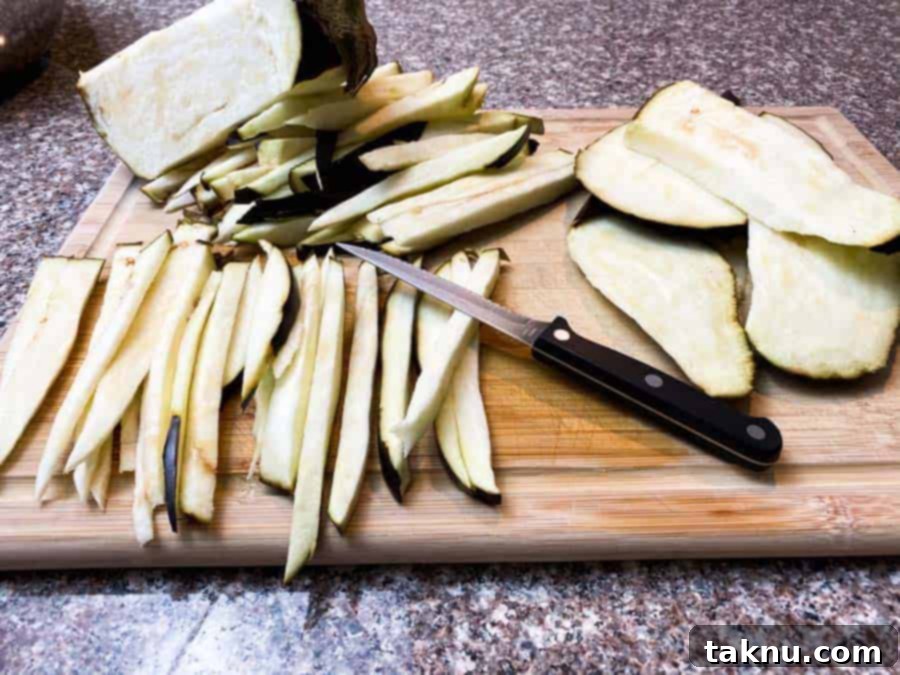
Once you’ve chosen your ideal eggplant, the next crucial step is preparation. Begin by washing the eggplant thoroughly under cold running water to remove any dirt or residues. For optimal results, aim for uniform slices, ideally about 1/8 to 1/4 inch thick. Consistency in thickness is paramount because it ensures that all slices dehydrate evenly. If some slices are thicker than others, they will take longer to dry, leading to an uneven final product where some pieces might be perfectly chewy while others remain too soft or even overly crisp. A sharp knife or a mandoline slicer can help achieve these perfectly uniform slices with ease, making the dehydration process much more efficient and yielding a superior batch of jerky. Precision at this stage sets the stage for success.
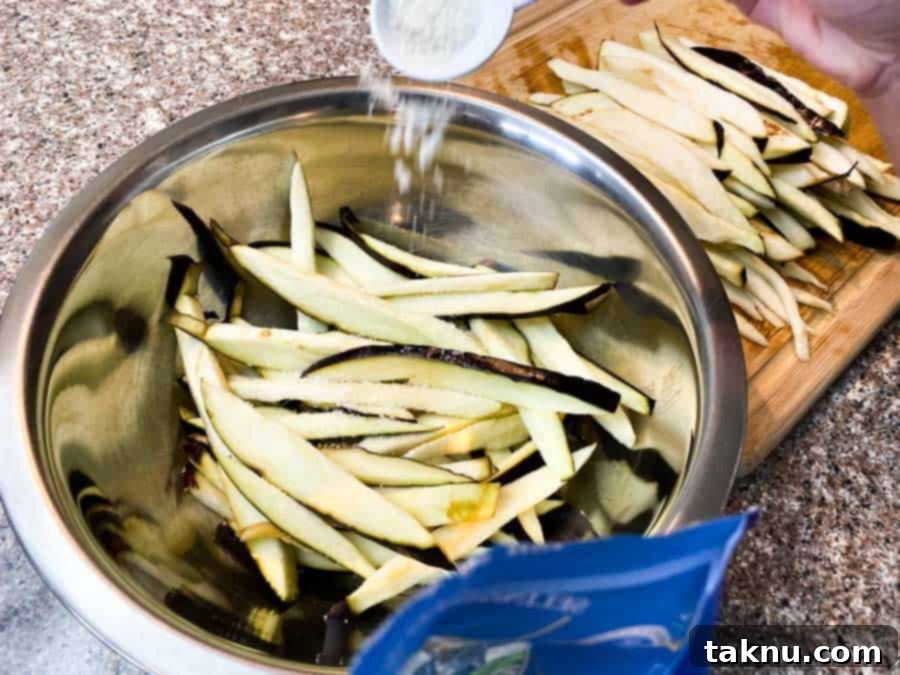
To prepare the eggplant for its flavorful transformation, it’s highly recommended to soak the slices in salt water. This step is a time-honored technique used by chefs to draw out any potential bitterness from the eggplant and to slightly firm up its texture, preventing it from becoming overly soft during dehydration. Submerge your uniformly sliced eggplant pieces in a large bowl of cold water to which a generous amount of salt has been added (approximately 1-2 tablespoons of salt per quart of water). Allow them to soak for approximately 40 minutes. During this period, the salt helps to extract excess moisture and undesirable compounds that can contribute to bitterness, resulting in a milder, more palatable eggplant base for your jerky. This simple yet effective step is key to developing a rich and balanced flavor in your final product and greatly enhances the overall quality of the jerky.
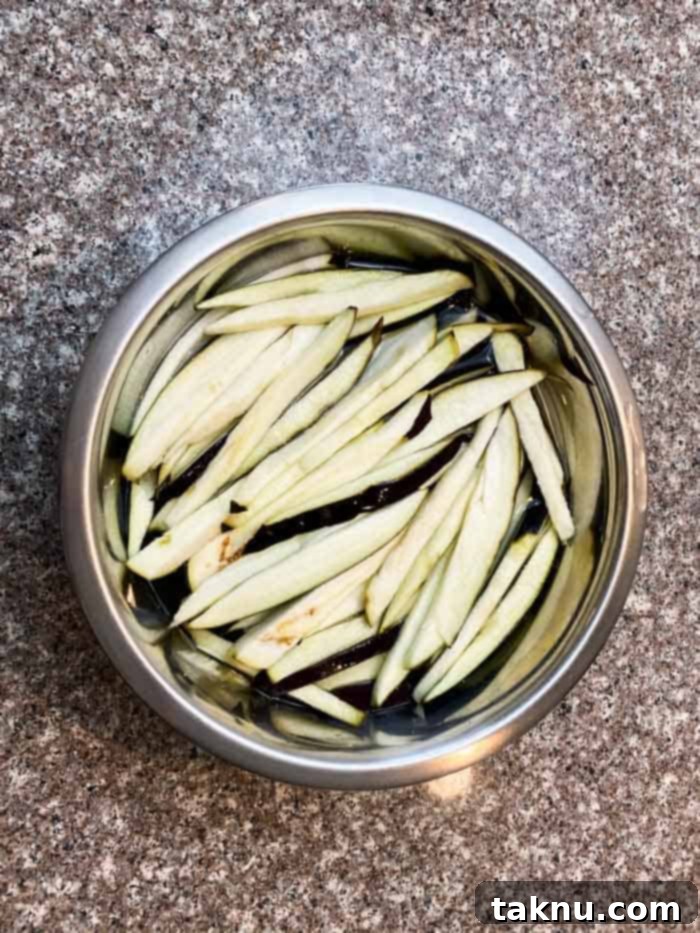
After the 40-minute soaking period, the eggplant slices will have released some of their bitterness and excess water. You might notice the water looking slightly cloudy or discolored, which is a good sign that the process has worked. It’s now time to prepare them for the marinade. Carefully drain the water using a colander, ensuring all the salty liquid is removed. Following this, give the eggplant slices a quick but thorough rinse under cold running water. This step is important to wash away any residual salt from the soaking process that might make your jerky overly salty. Gently toss the slices in the colander to ensure they are well-rinsed from all angles.
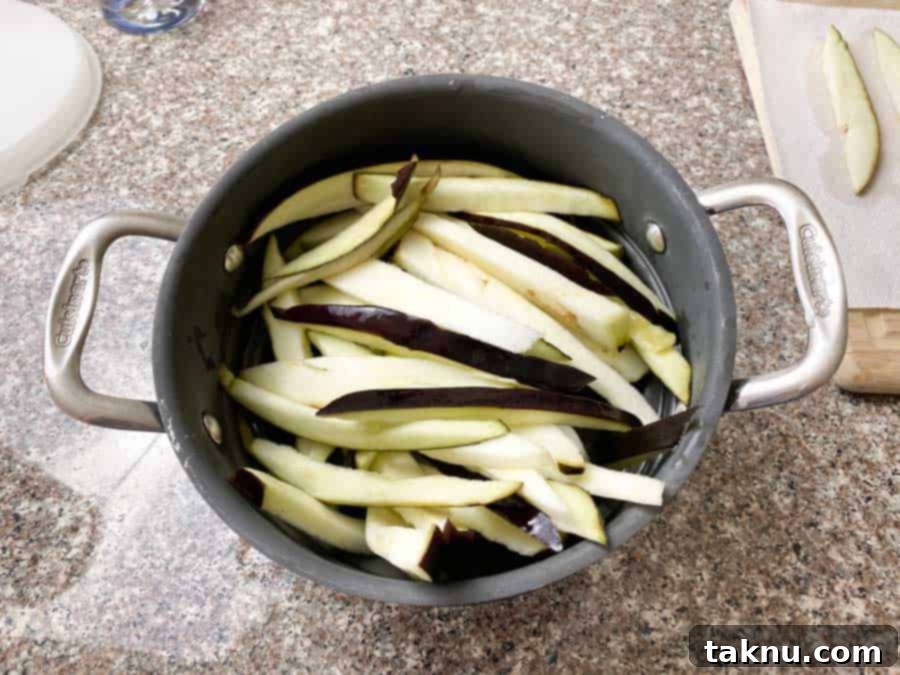
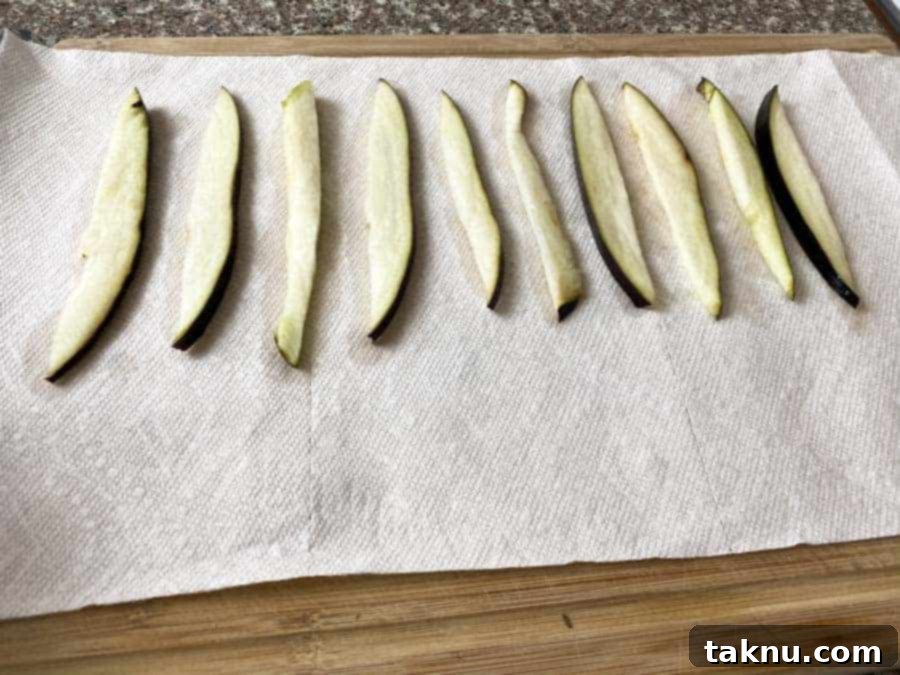
Once rinsed, the eggplant slices need to be dried thoroughly before marinating. Lay them out in a single layer on clean paper towels or a kitchen towel. Gently pat down the top of the slices with additional paper towels to absorb as much surface moisture as possible. The goal here is to get them as dry as possible without damaging the delicate slices. Removing excess water is crucial for two primary reasons: firstly, it allows the eggplant to better absorb the flavorful marinade, ensuring a deeper infusion of taste, and secondly, it helps prevent the jerky from becoming soggy during the dehydration process, leading to a more consistent and desirable texture. While the eggplant slices are air-drying or being patted dry, you can use this time efficiently to prepare your delicious marinade, bringing you one step closer to your flavorful homemade eggplant jerky.
Crafting the Irresistible Tomato Marinade
The marinade is where the magic truly happens, infusing the eggplant with its signature tomato-rich, garden-fresh flavor. This recipe heavily emphasizes the robust and sweet notes of tomato, a personal favorite that always brings a delightful tang and depth. I was particularly thrilled to discover tomato powder seasoning, which offers a concentrated burst of tomato flavor without adding excessive moisture. It’s a game-changer for jerky marinades, as it provides intense flavor without diluting the texture of the eggplant or extending drying times.
To create this vibrant red marinade, combine all the specified ingredients in a bowl. Whisk them thoroughly until they are well integrated and the tomato powder has dissolved, forming a smooth, aromatic liquid. The ingredients typically include a blend of savory spices like garlic powder, onion powder, and basil, which perfectly complement the tomato and add layers of Mediterranean-inspired flavor. Black pepper and a touch of pink salt enhance the overall savoriness and help to draw out the eggplant’s natural sweetness. For acidity and tenderization, white vinegar is added, which also contributes to the tangy profile. Vegetable broth provides a liquid base and umami, while a hint of sugar balances the acidity and brings out the natural sweetness of the tomato, creating a perfectly rounded flavor profile. Once your marinade is ready, carefully pour the bright red mixture into a large, resealable plastic bag or a shallow dish containing the dried eggplant slices. As you pour, the rich, savory aroma of tomato will already begin to fill the air, promising a truly delicious outcome.
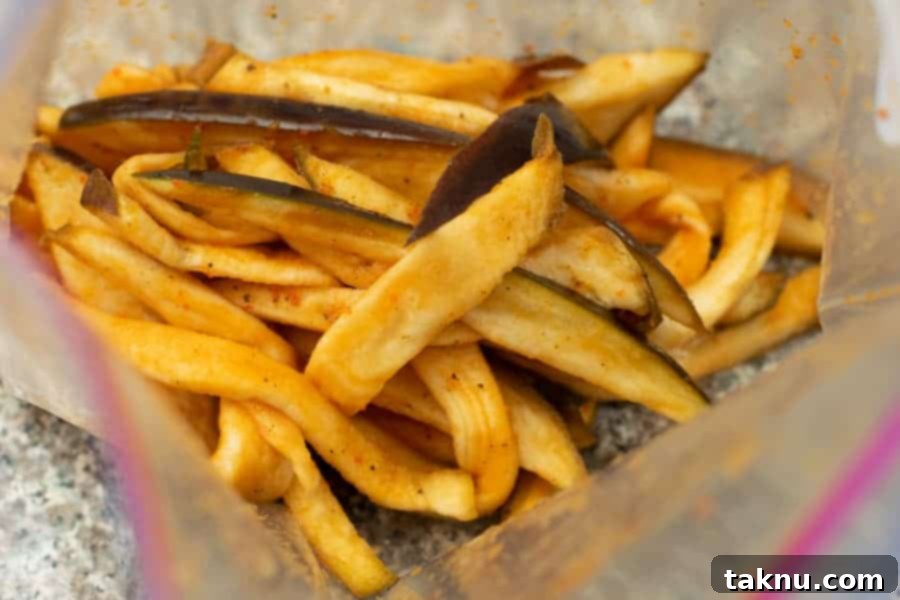
Eggplants, much like mushrooms, are renowned for their incredible ability to absorb liquids and flavors. This characteristic makes them an excellent choice for jerky, as they readily soak up every note of your carefully crafted marinade. Ensure that all eggplant slices are thoroughly coated and submerged in the marinade. You might need to gently massage the plastic bag or stir the slices in the dish to ensure even distribution, preventing any dry spots. Once coated, seal the bag or cover the dish and place it in the refrigerator. During the marinating process, it’s a good practice to occasionally flip or turn the bag to ensure all sides of the eggplant slices are exposed to the marinade, guaranteeing an even and deep infusion of flavor. Allow the eggplant to marinate for a minimum of 4 hours, and ideally up to 12 hours, for the deepest and most intense tomato flavor. The longer it marinades, the more robust and satisfying your jerky will be, though 4 hours is sufficient for a good flavor development.
The Dehydration Process: Transforming Eggplant into Jerky
After the eggplant slices have absorbed all the wonderful flavors of the marinade, it’s time for the final transformation: dehydration. This step removes moisture, creating the classic jerky texture and preserving the snack for longer enjoyment. Begin by once again draining the marinated eggplant slices using a colander. This is an important step to remove any excess liquid that the eggplant couldn’t absorb, which would otherwise prolong the drying time and potentially affect the texture, leading to a less desirable outcome.
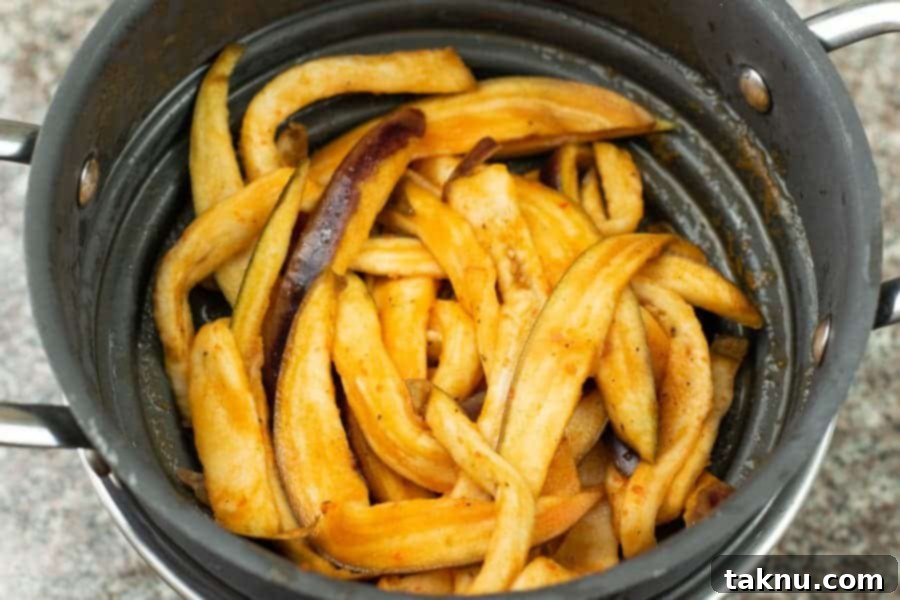
Once drained, lay the marinated eggplant slices out on fresh paper towels or a clean kitchen towel. Gently pat off any remaining excess liquid from both sides. While some marinade adhering to the slices is desired for flavor, too much surface moisture can lead to a sticky, rather than chewy, jerky and can significantly extend the drying time. This careful blotting ensures the eggplant is perfectly prepared for the dehydrator, allowing for efficient and consistent drying. It’s a small step that makes a big difference in the final product’s quality.
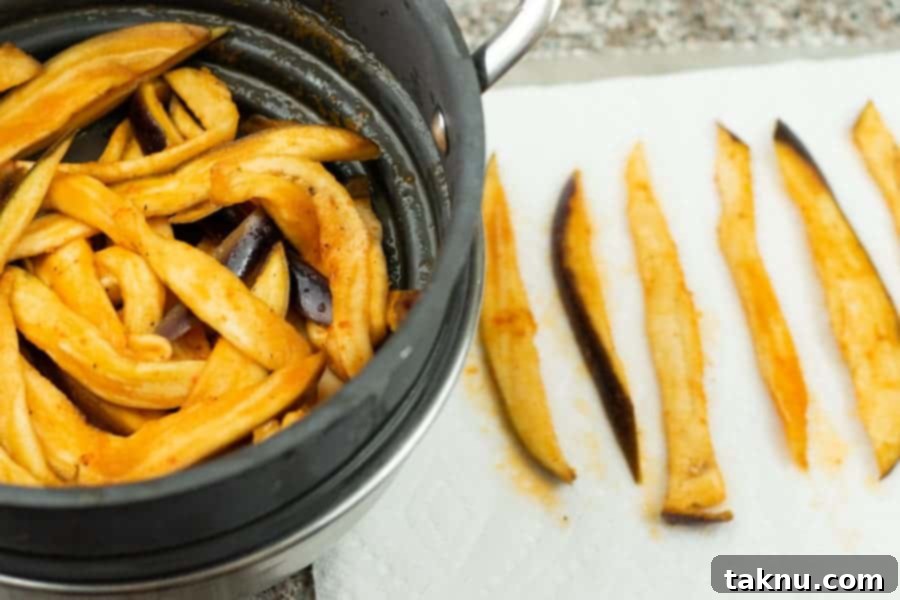
Now, the eggplant slices are ready to be placed onto your dehydrator trays. For this recipe, a reliable dehydrator like the Nesco dehydrator works wonderfully, but any quality dehydrator will do the job. Arrange the slices on the trays in a single layer, ensuring they are evenly spaced. It’s crucial not to overcrowd the trays, as proper air circulation is vital for efficient and uniform dehydration. Overlapping slices will block airflow and result in uneven drying, requiring you to rotate or rearrange them frequently, which adds unnecessary time and effort. Maximize the available surface area while maintaining enough space between each piece for hot air to circulate freely. Good airflow ensures all pieces dry consistently.
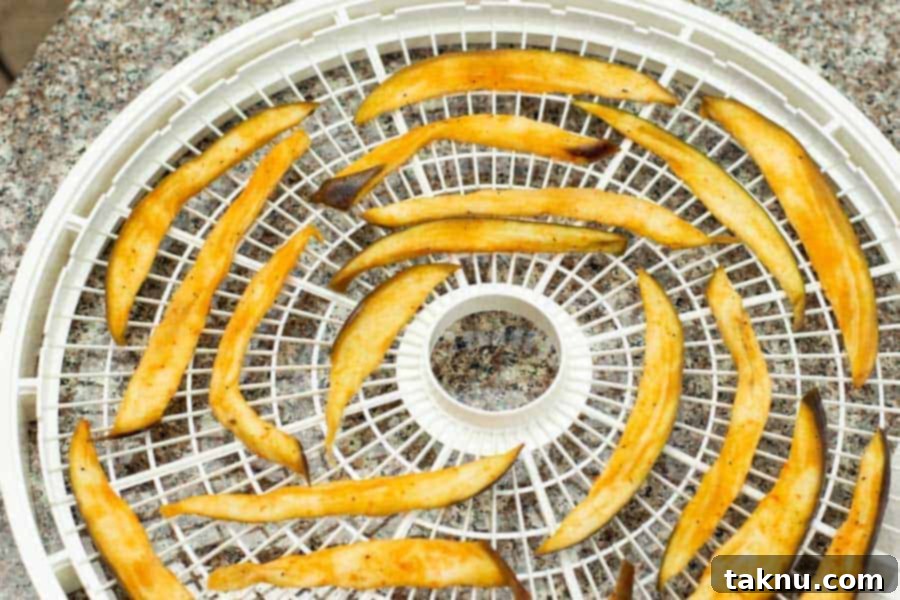
With the trays loaded, set your dehydrator to a temperature of 145°F (approximately 63°C). This temperature is ideal for vegetable jerky, as it’s warm enough to remove moisture efficiently without “cooking” the eggplant, thus preserving its nutrients and preventing it from becoming brittle too quickly. The dehydration process will typically take anywhere from 4 to 6 hours, depending on the thickness of your eggplant slices, the humidity in your environment, and the specific model and efficiency of your dehydrator. It’s always a good idea to consult your dehydrator’s manual for specific guidelines and troubleshooting, but these parameters provide a great starting point for achieving perfectly dried eggplant jerky.
Achieving Perfect Texture: Knowing When Your Eggplant Jerky is Ready
Determining when your eggplant jerky is perfectly finished is largely a matter of personal preference regarding texture. You can begin checking the jerky at the 4-hour mark. At this point, the slices will have reduced significantly in size and will start to feel pliable. To test, take a piece out, let it cool completely to room temperature (as jerky will firm up as it cools), and then bend it. If you prefer a slightly softer, more pliable, and chewy texture, it might be ready. The key is that it shouldn’t feel soft or spongy, nor should any moisture be visible when you tear it. If it still feels damp or sticky, it needs more time in the dehydrator to achieve the desired dryness.

Many jerky enthusiasts, myself included, often prefer a slightly crispier, more “snappy” texture for their eggplant jerky. If this is your preference, simply continue dehydrating for another hour or two, checking periodically. The longer you dehydrate, the crisper it will become. A truly finished piece of jerky should be firm, dry, and bendable, but not brittle, unless you specifically aim for a chip-like crispness. There should be no signs of moisture inside when you break a piece open, and it should snap rather than bend if you’re aiming for crispy. Trust your senses and continue drying until you reach your ideal consistency. Once you’ve achieved your desired texture, turn off the dehydrator and allow the jerky to cool completely before storing. Cooling is essential as it helps to further firm up the texture and ensures that no condensation forms when stored, which could lead to spoilage and a shortened shelf life.

Taking a bite of this tomato-infused eggplant jerky is truly a delightful experience, akin to savoring something fresh-picked right from a sun-drenched garden. Each piece is an explosion of bright, savory tomato flavor, beautifully complemented by the subtle sweetness of the eggplant and the aromatic spices. It offers a wonderfully satisfying chew that’s both hearty and light, making it a refreshing and guilt-free snack for any time of day. Whether you’re enjoying it on a hike, as a midday pick-me-up, or simply as a healthy alternative to processed snacks, this vegan jerky is sure to become a cherished favorite in your pantry.
To ensure the longevity and freshness of your homemade eggplant jerky, proper storage is key. Once completely cooled, transfer any leftovers to an airtight container. Mason jars, resealable bags, or vacuum-sealed pouches work perfectly. Store this container in a cool, dry environment, away from direct sunlight or heat, such as a pantry or cupboard. This method will help maintain its ideal texture and vibrant flavor for an extended period, allowing you to enjoy your delicious, healthy, and incredibly flavorful vegan snack whenever the craving strikes!

Tomato Soup Eggplant Jerky
Pin Recipe
Ingredients
1 Eggplant
- 8 oz Eggplant (Evenly Sliced)
Marinade
- ½ teaspoon Tomato Powder
- 1 teaspoon Avocado Oil
- ½ teaspoon Garlic Powder
- ½ teaspoon Onion Powder
- ½ teaspoon Basil
- ½ teaspoon Black Pepper
- ½ teaspoon Pink Salt
- ½ Cup White Vinegar
- ⅔ Cup Vegetable Broth
- ¼ Cup Sugar
Equipment
Instructions
- Slice eggplant into even slices
- Place eggplant slices in water with salt to draw out bitterness for 40 minutes
- Strain eggplant slices in colander and place on papertowel to dry
- Add all ingredients and blend well
- Pour marinade into ziplock bag with eggplant slices and marinade for 4-12 hours in fridge
- After marinading, drain in colander
- Place eggplant strips on papertowel and gently pat to get excess liquid off
- Place eggplant slices on dehydrator trays
- Set dehydrator at 145F and allow to dry anywhere from 4 – 6 hours
- Check after 4 hours and continue to dry to your preference of texture
- Enjoy!
Pro Tips
Cook’s Tips:
- Slice Eggplant in even slices so it dehydrates evenly
- Place eggplant slices in salt water to draw out bitterness