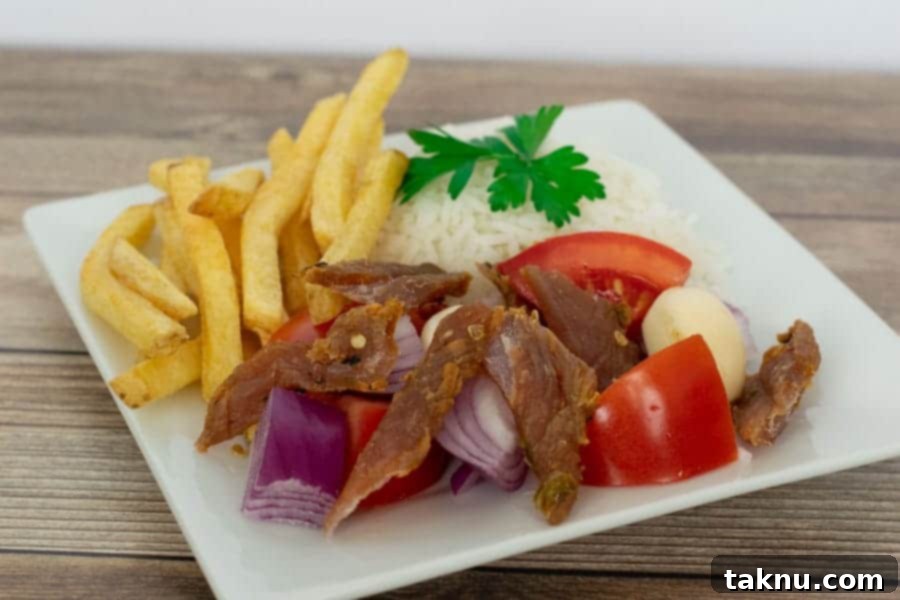
Spicy, Sweet & Savory: Master the Art of Authentic Peruvian Turkey Jerky at Home
Embark on a culinary adventure from the comfort of your kitchen with this incredible recipe for Peruvian turkey jerky. This snack perfectly captures the vibrant, complex flavors of Peruvian cuisine, renowned for its exquisite balance of spicy, sweet, and savory notes. There’s truly nothing more satisfying than savoring delicious, homemade turkey jerky that’s bursting with flavor! Forget bland, store-bought options; this recipe will guide you through creating a batch of jerky that’s not only incredibly tasty but also deeply personal.
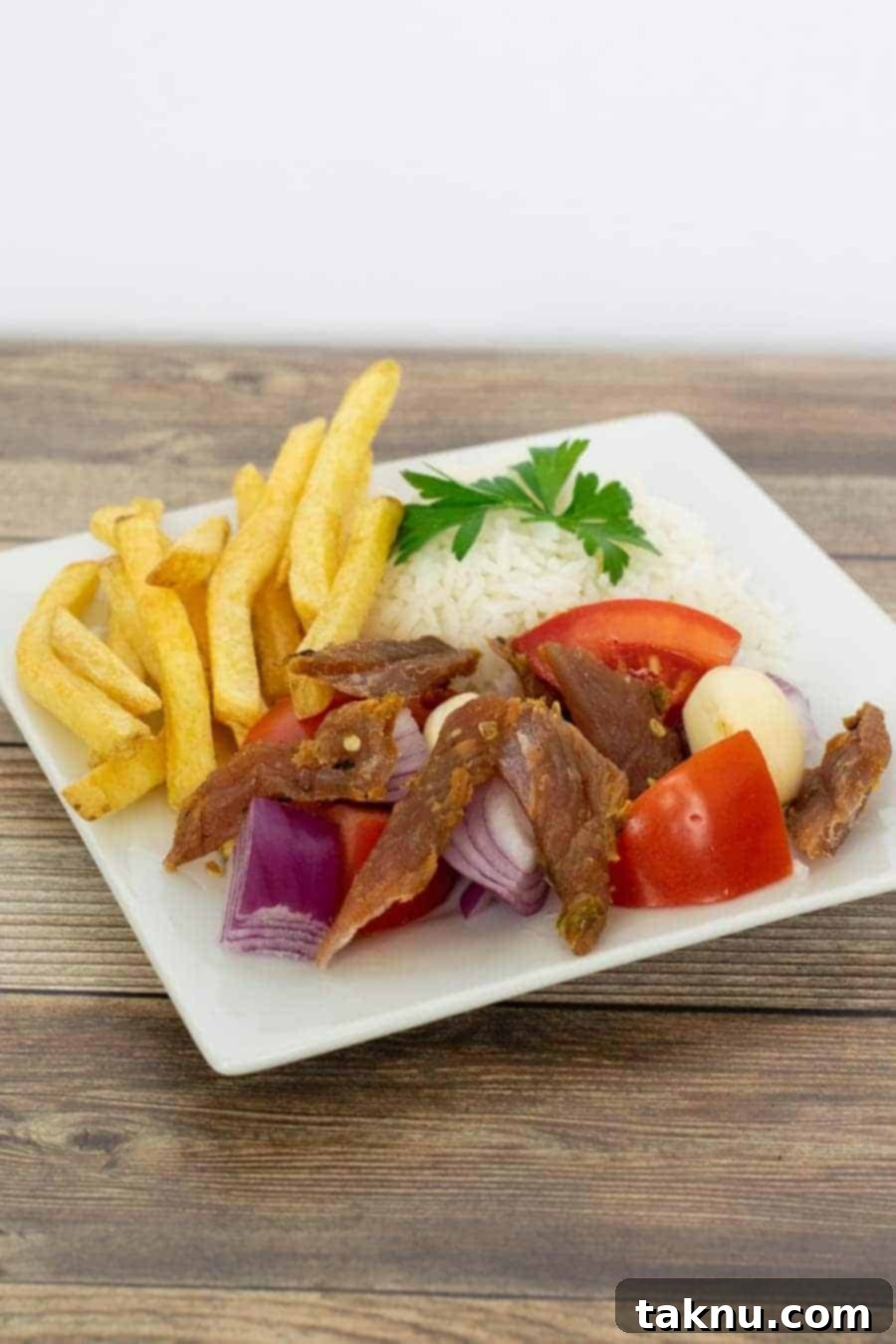
The inspiration behind this unique jerky recipe comes from a memorable trip my wife took to Peru many years ago. She was captivated by the rich tapestry of flavors, the fresh ingredients, and the incredible culinary traditions she encountered. Upon returning home, she was determined to recreate some of that magic, specifically in a form that could be enjoyed as a portable, savory snack. This jerky recipe is her brilliant creation, designed to evoke the cherished memories of that amazing journey, bringing a piece of Peru right into our home.
Choosing and Slicing the Perfect Meat for Jerky
While this particular recipe was developed using turkey breast, its robust marinade profile makes it incredibly versatile. It would also yield fantastic results with beef, such as a lean top round or flank steak. For turkey, start with a high-quality turkey breast, readily available at your local grocery store. Opting for a whole, boneless, skinless turkey breast allows for greater control over the slicing process and ensures you’re working with the leanest possible cuts.
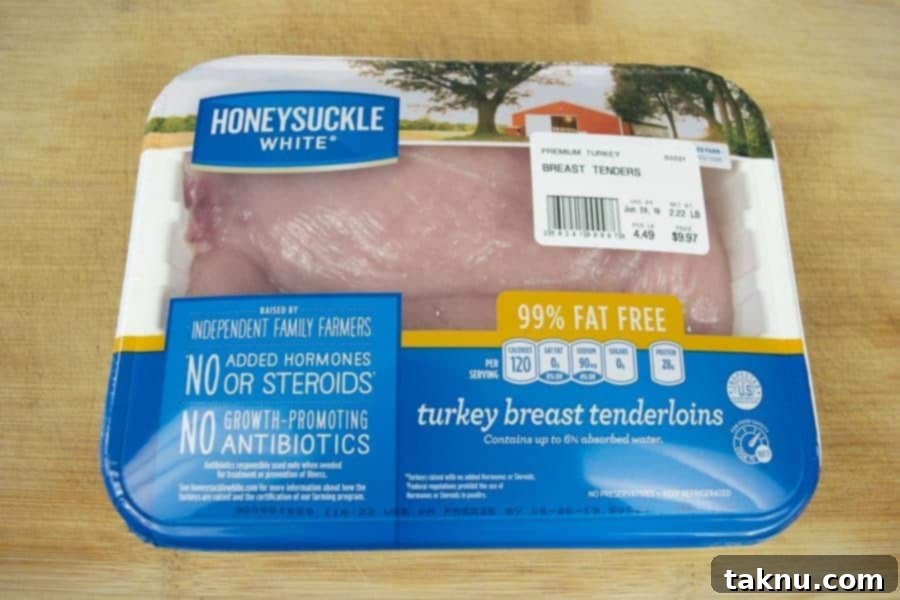
Turkey breast is an excellent choice for jerky due to its inherently lean nature. Leanness is paramount in jerky making because fat spoils much faster than muscle tissue, significantly shortening your jerky’s shelf life. As you prepare the turkey breast, meticulously trim away any visible fat or silver skin. This crucial step prevents premature spoilage and contributes to a more appealing texture. Aim to slice the turkey breast into uniform ¼-inch wide strips. Consistency in thickness is key, as it ensures all the jerky strips dehydrate at approximately the same rate, preventing some pieces from becoming over-dried and others under-dried.
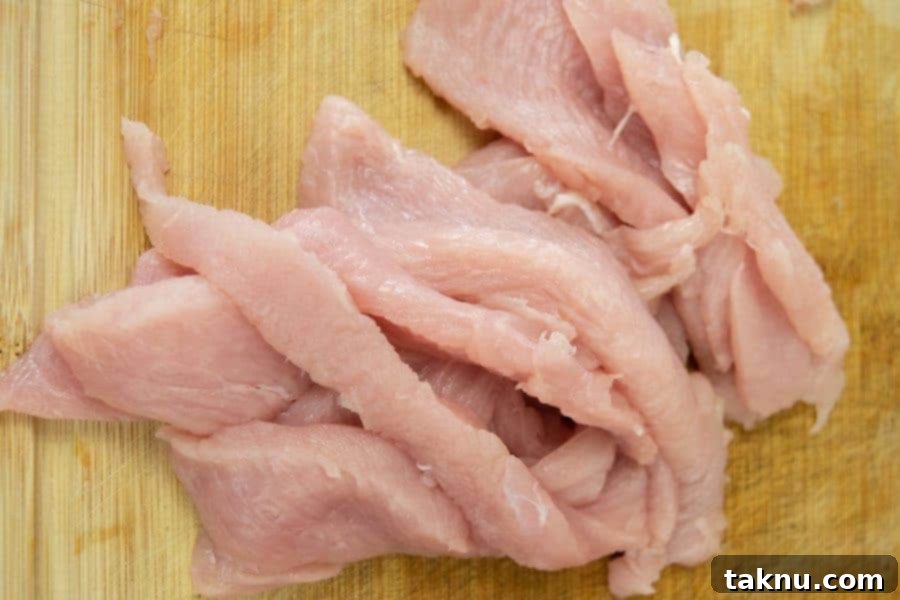
Achieving perfectly even slices can be a challenge, but there’s a simple trick to make it easier: wrap the turkey breast tightly in plastic wrap and partially freeze it for 1 to 2 hours. This semi-frozen state hardens the meat just enough to make slicing uniform strips effortless. You can choose to slice with or against the grain. Slicing with the grain will result in a chewier, more traditional jerky, while slicing against the grain will produce a more tender, easier-to-chew product. Experiment to find your preferred texture, but either way, ensure those strips are consistently ¼-inch thick.
Crafting the Signature Peruvian Marinade
The heart of this jerky’s incredible flavor lies in its vibrant Peruvian-inspired marinade. This recipe features the bright, zesty kick of fresh Serrano peppers, which deliver a delightful “pop” of heat without overwhelming the other delicate flavors. When working with peppers and other fresh ingredients for marinades, I highly recommend using a powerful blender, like my trusted Vitamix blender, to finely chop them and ensure they are thoroughly incorporated into the mixture. This technique ensures that every strip of turkey is evenly coated and infused with the full spectrum of flavors.
To begin, combine all the marinade ingredients in your VitaMix Blender. Blend until the Serrano peppers are completely pulverized into tiny bits, creating a smooth, emulsified marinade. This isn’t just about heat; the seeds and membranes of the peppers hold a surprising amount of flavor. Blending them thoroughly allows these essential oils and flavors to fully disperse throughout the marinade, rather than just having chunky pieces floating around. Those finely chopped pepper bits and their flavorful seeds are what truly give this jerky its signature “kick” and depth.
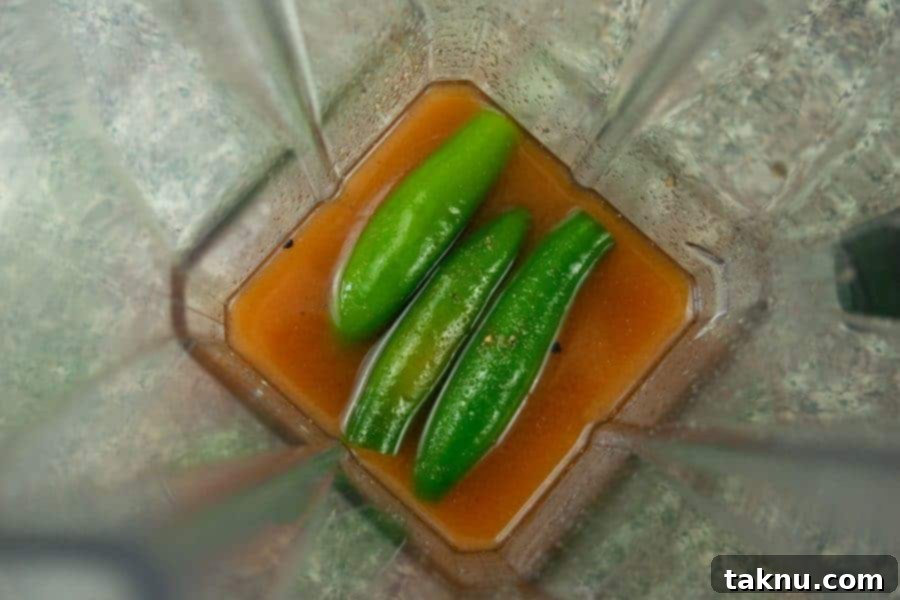
A good blender truly transforms the marinade, allowing the intense flavors of the peppers, along with the citrusy lime, earthy cumin, and smoky paprika, to meld together perfectly. This creates a cohesive marinade that clings to the meat, ensuring maximum flavor penetration.
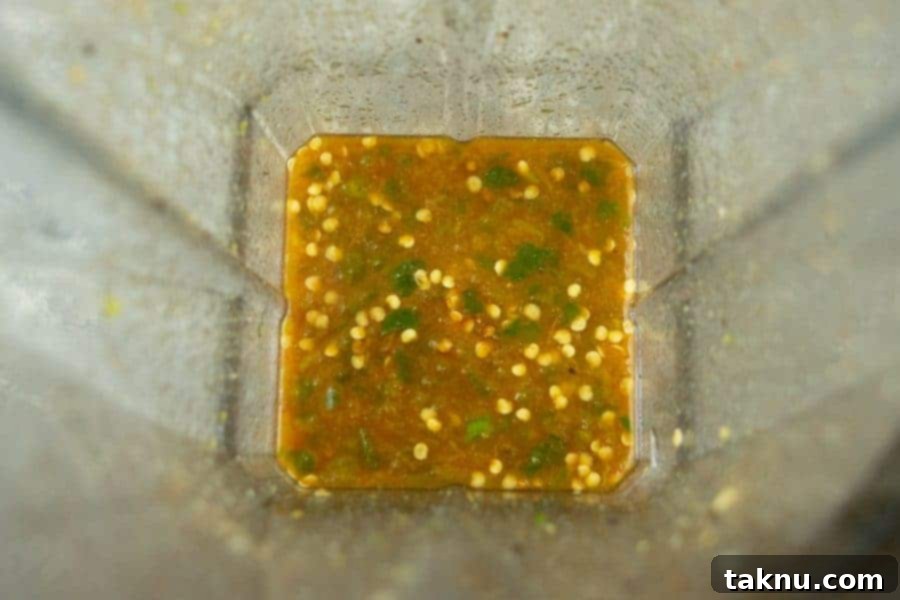
Once your marinade is perfectly blended, pour it into a large, heavy-duty ziplock bag. Add the previously sliced turkey strips, ensuring there’s enough space for them to move freely. Gently massage the bag to mix everything thoroughly, ensuring all the turkey strips are uniformly coated with the rich marinade. This even coating is essential for consistent flavor. Seal the bag, pressing out as much air as possible, and place it in the refrigerator to marinate for a minimum of 6 hours, or ideally, up to 24 hours.
The longer the marination period, the more intense and deeply infused the flavors will be in your finished jerky. While it’s tempting to leave it longer, remember that safety is paramount: Always marinate your meat in the refrigerator to prevent bacterial growth and spoilage. Never marinate at room temperature.
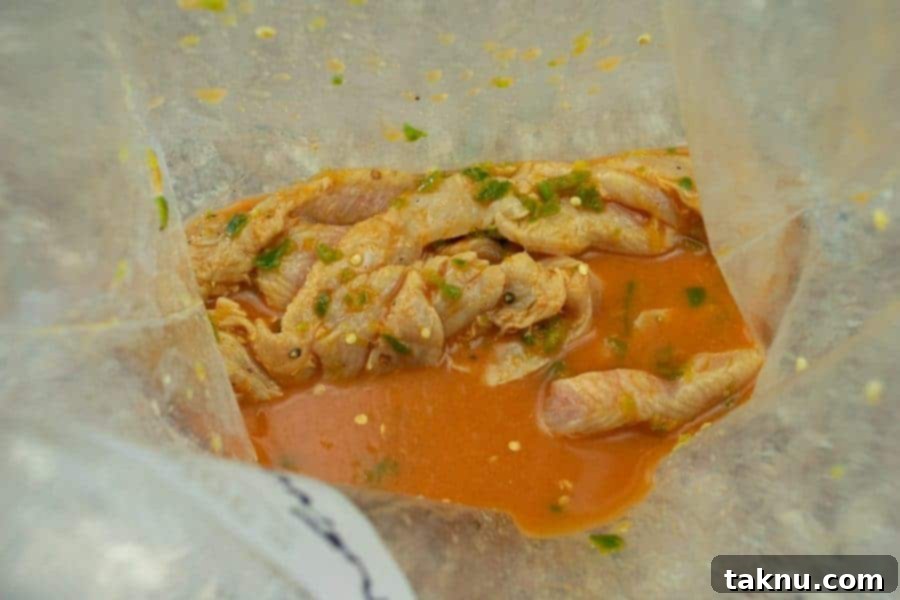
Just look at those pepper-covered turkey strips! Doesn’t that promise an explosion of flavor? You can tell even at this stage that this is destined to be some truly exceptional jerky.
Related Page: Dozens of Great Tasting Jerky Recipes – Click Here for More Inspiration
The Art of Drying Your Jerky to Perfection
Once the marinating process is complete and the turkey has absorbed all those wonderful Peruvian flavors, it’s time to prepare it for drying. Carefully remove the meat from the refrigerator and pour the contents of the ziplock bag into a colander to strain off any excess marinade. I allowed my turkey to marinate for a full 20 hours before straining, maximizing that flavor infusion. Remember, the longer the marinade process, the more intense and satisfying the flavor of your finished jerky will be!
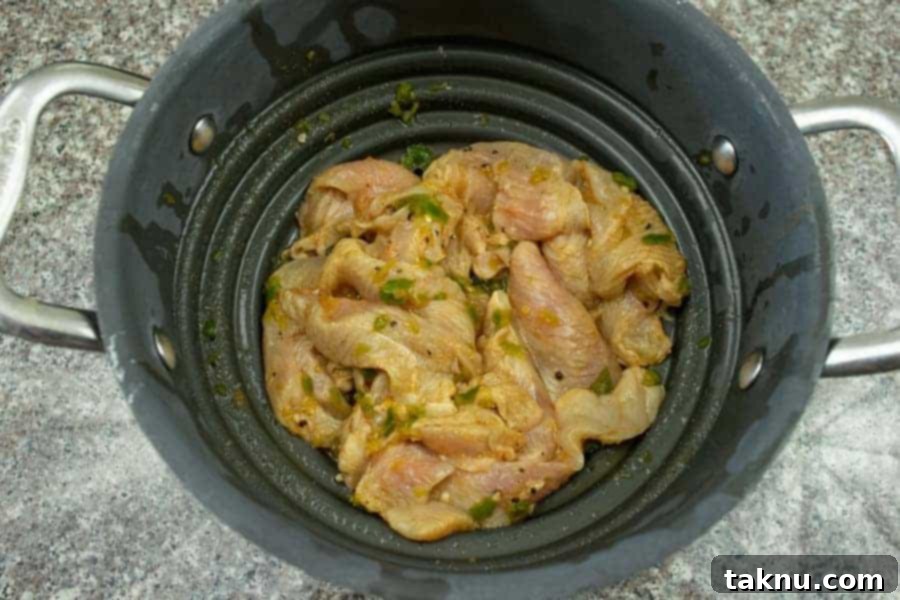
After straining, lay out several layers of paper towels on a clean surface. Arrange the marinated turkey strips in a single layer on top of the paper towels. Then, use more paper towels to gently pat dry the strips, removing even more of the excess marinade and surface moisture. This seemingly small step is incredibly important as it significantly speeds up the drying process and prevents the jerky from becoming undesirably ‘sticky’ once it’s fully dried. A drier surface promotes better air circulation and more efficient moisture removal.
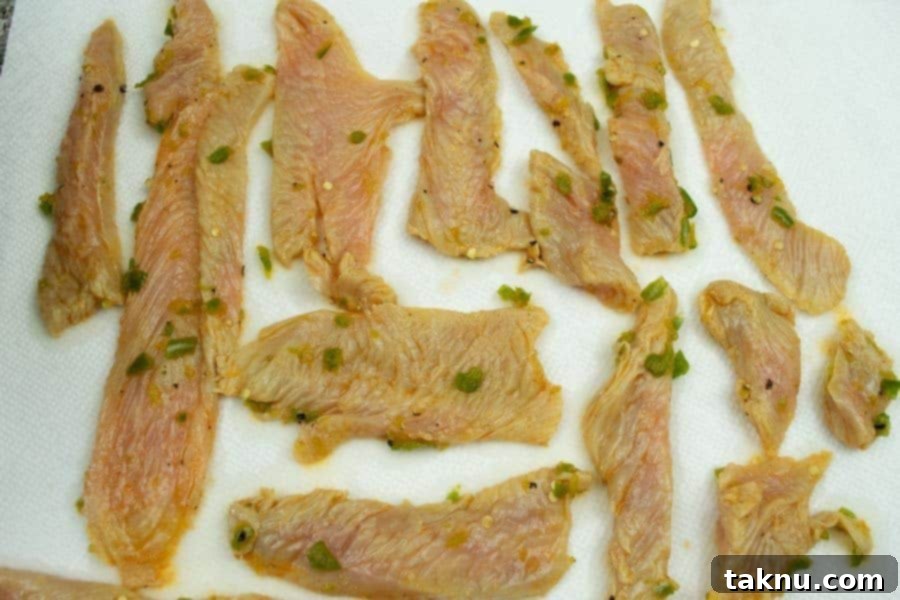
Before proceeding with dehydration, it’s crucial to address food safety, especially when making jerky from poultry. Turkey needs to reach an internal temperature of 165°F (74°C) to kill any potential bacteria. If your dehydrator does not have the capability to reach 165°F, or if you prefer a safer approach, pre-heat the meat in your oven first. This step ensures that your jerky is safe to consume.
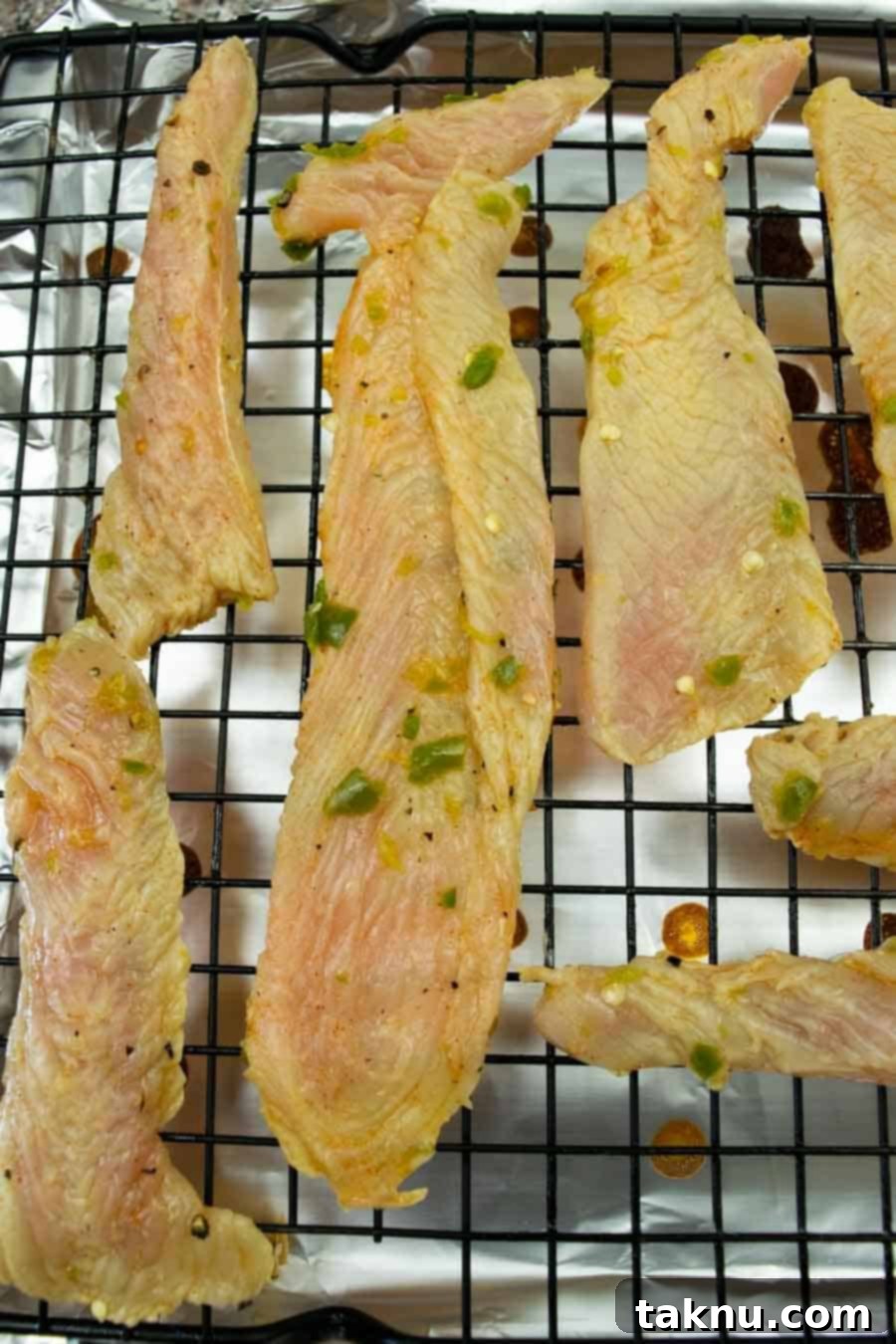
For this recipe, I pre-heated the turkey strips in my oven. I laid them out on an oven rack placed over a baking sheet, allowing for optimal air circulation. It took approximately 20 minutes at 300°F (150°C) for the turkey strips to reach an internal temperature of 165°F (74°C). If you place the turkey directly on a baking pan without a rack, the cooking time will be shorter, closer to 10 minutes, but this method can sometimes lead to a slightly harder, less tender jerky due to direct heat contact. Using a rack helps maintain a more desirable texture.
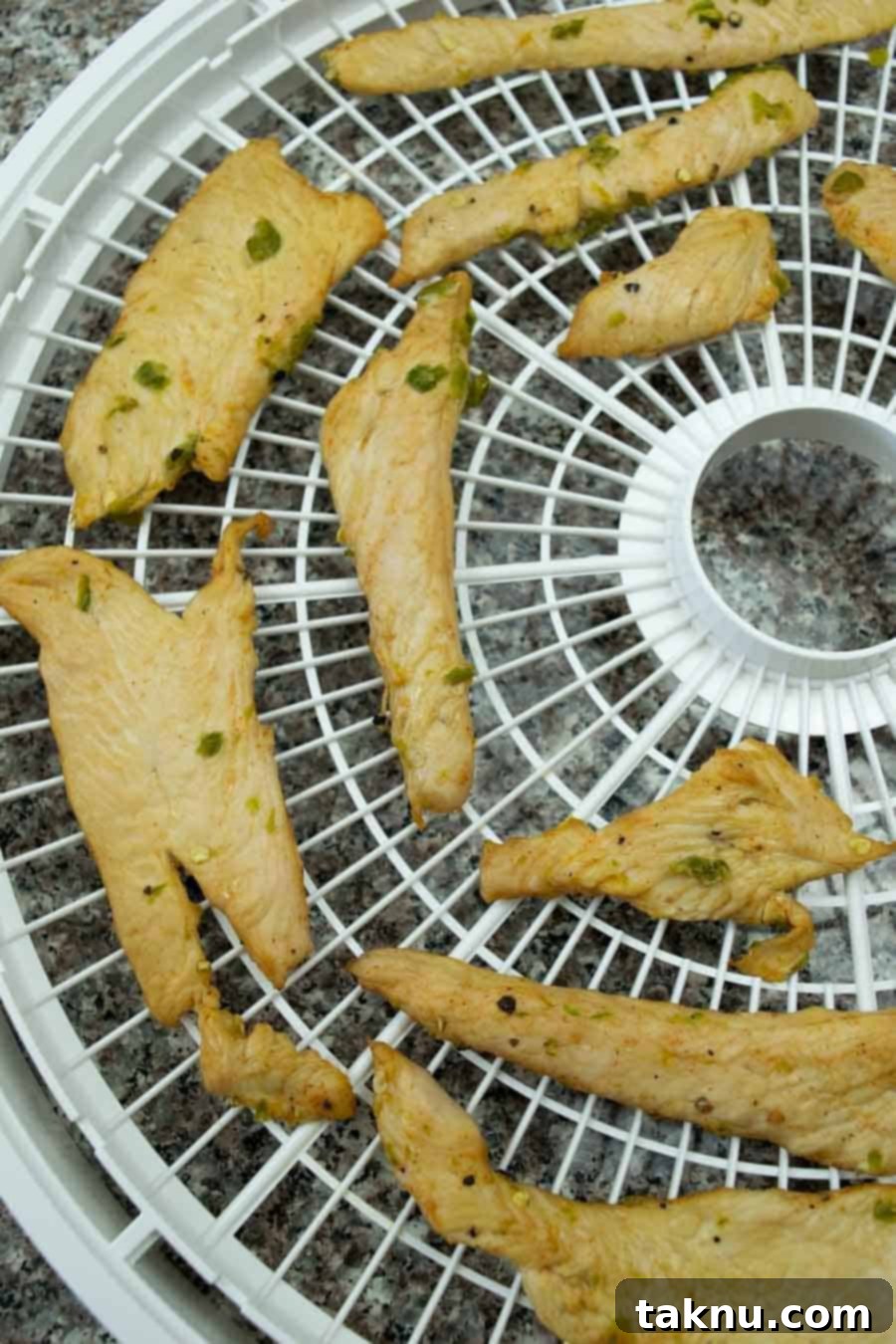
After the pre-heating process, I carefully transferred the strips to the trays of my reliable Nesco Dehydrator. I then dehydrated them for a total of 4 hours at a temperature of 145°F (63°C). Dehydrator times can vary depending on your specific model, the thickness of your meat, and ambient humidity. Therefore, I always recommend taking a piece out every so often after the 3-hour mark, letting it cool to room temperature, and then testing it for doneness. For these particular turkey strips, four hours proved to be just about perfect.
While a dehydrator offers excellent control, you can certainly use your conventional oven or a smoker to make this jerky. Each method imparts a slightly different characteristic to the final product. For more comprehensive and in-depth instructions on various jerky drying methods, including detailed tips for ovens and smokers, be sure to explore my dedicated Jerky Making Methods Page. There, you’ll find all the information you need to master whichever drying technique you prefer.
Related Page: Looking for the Best Dehydrator? Check out my Dehydrator Reviews – Click Here
Ensuring Perfect Doneness: The Jerky Bend Test
Determining when your jerky is perfectly dried is a crucial step to ensure both optimal texture and shelf life. You’ll want to begin testing for doneness around the 3 to 4-hour mark, depending on your drying method and meat thickness. To perform the “bend test,” carefully remove a piece of jerky from your dehydrator, oven, or smoker and allow it to cool completely for about 5 minutes until it reaches room temperature. Cooling is essential because jerky will be much more pliable when warm and will firm up as it cools.
Once cooled, bend the jerky strip in half. A perfectly finished piece of jerky should bend and crack, but it should not break completely in two. As you bend it, you should also observe white fibers appearing within the meat. These white fibers are an excellent indicator that the moisture has been sufficiently removed from the muscle tissue. The visibility of these fibers becomes even more apparent when you tear a piece of jerky in half, revealing the internal structure.
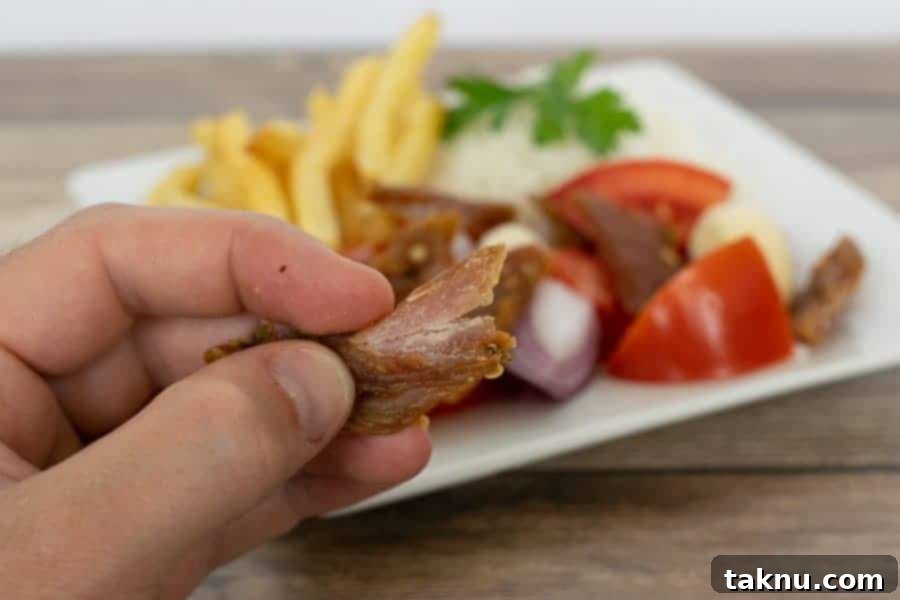
If your jerky feels too soft, breaks cleanly in half without showing fibers, or still feels overly moist, it’s not quite ready. Simply continue drying it for another hour and repeat the same cooling and bending test until you achieve the desired consistency. Generally, about 90% of the jerky I make is finished within 4 to 6 hours when using a dehydrator or oven. When using a smoker, the process typically takes a bit longer, usually between 6 to 9 hours, due to lower operating temperatures. If you’ve pre-heated the meat in the oven as described earlier, the subsequent drying time can be significantly reduced, sometimes to as little as 2.5 hours.
Beyond the texture, the flavor profile of this Peruvian turkey jerky is truly remarkable. I particularly enjoyed the vibrant spice from the Serrano peppers; they truly deliver that “pop” of heat and zest that elevates the entire experience. This is beautifully complemented by the bright, tangy citrus notes from the fresh lime juice, while a subtle sweetness from the granulated sugar rounds out the flavor, creating a harmonious and utterly addictive snack. It’s a symphony of spicy, sweet, and savory that will leave your taste buds craving more.
Proper Storage for Extended Jerky Freshness
Once your delicious Peruvian turkey jerky is perfectly dried and cooled, proper storage is key to maintaining its freshness and extending its shelf life. To make your jerky last as long as possible, storing it in airtight containers is paramount. This prevents exposure to air and moisture, which are the primary culprits in spoilage. Glass jars with tight-fitting lids, heavy-duty ziplock bags (with as much air removed as possible), or vacuum-sealed bags are all excellent options. Additionally, incorporating curing salt into your marinade, as suggested in this recipe, plays a significant role in preservation by inhibiting bacterial growth and enhancing safety.
For even more in-depth information on how to store jerky effectively and implement steps that will significantly extend its shelf life, I’ve put together a comprehensive page dedicated to storing jerky. This resource covers everything from optimal temperatures to various packaging methods. I highly recommend checking it out to ensure your homemade jerky remains fresh and delicious for weeks, or even months!
Old Pro Tips for Jerky Success:
- Trim Fat Meticulously: Before marinating, remove every visible trace of fat from the meat. Fat spoils much faster than lean meat, and its presence will drastically reduce your jerky’s shelf life. This also contributes to a cleaner, more desirable texture.
- Utilize Curing Agents: To significantly extend the life and safety of your jerky, especially for long-term storage, consider adding curing salt (also known as Prague powder #1 or pink curing salt) or celery juice powder to your marinade. These ingredients provide an added layer of protection against spoilage and pathogenic bacteria.
- Maximize Marinade Time: For the most intense and deeply infused flavor, aim to marinate your turkey closer to the 24-hour mark. This allows the meat ample time to absorb all the delicious nuances of the Peruvian marinade.
- Blend for Flavor: Don’t just chop your Serrano peppers; use a high-powered blender to fully pulverize them. This technique ensures maximum flavor extraction from the peppers and distributes their essence evenly throughout the marinade, giving your jerky that vibrant, consistent kick.

For more in-depth directions on how to dry your jerky using various methods, be sure to visit my comprehensive page: Jerky Making Methods. This resource provides detailed instructions and tips for using dehydrators, ovens, and smokers, ensuring you can make perfect jerky no matter what equipment you have. Alternatively, you can click on the images below to explore specific guides.
Poppin Peruvian Turkey Jerky
Pin Recipe
Ingredients
Lean Turkey Breast
- 1 lb Turkey Breast
Marinade
- ¾ cup chicken broth
- 1 teaspoon sea salt
- ½ teaspoon black pepper (freshly cracked)
- ½ teaspoon garlic powder
- 1 tablespoon lime juice
- ½ teaspoon smoked paprika
- ½ teaspoon cumin
- 1 tablespoon granulated sugar
- 1 teaspoon horseradish
- 3 serrano peppers
- 1 teaspoon liquid smoke (applewood)
- ¼ teaspoon curing salt (Optional)
Equipment
Instructions
- Combine all of the marinade ingredients in a blender and blend well until smooth and peppers are finely chopped. Transfer to a large ziplock bag.
- Trim all visible fat and silver skin from the turkey breast and slice into uniform ¼-inch strips. For easier slicing, partially freeze the turkey breast for 1-2 hours beforehand.
- Add the sliced turkey breast to the marinade in the ziplock bag. Ensure all strips are thoroughly coated. Marinate in the refrigerator for 8-24 hours. The longer the better for flavor infusion.
- After marinating, remove the meat from the refrigerator and drain off any excess marinade in a colander. Lay the strips on paper towels and pat them dry to remove surface moisture, which helps speed up the drying process.
- Pre-heat your oven to 300°F (150°C). This step ensures the turkey reaches a safe internal temperature of 165°F (74°C).
- Arrange the turkey strips in a single layer on a baking rack placed over an aluminum foil-lined baking sheet. This allows for optimal air circulation.
- Bake in the pre-heated oven for approximately 20 minutes, or until the strips reach an internal temperature of 165°F (74°C). Use a meat thermometer to verify.
- Remove the turkey from the oven. Now, transfer the strips to your chosen jerky drying device. I used my Nesco Dehydrator and dried for 4 hours at 145°F (63°C). You can also use an oven at its lowest setting or a smoker. Refer to my jerky making methods page for detailed instructions.
- The jerky is finished when it bends and cracks but does not break completely in half. It should reveal white fibers when torn. Allow the jerky to cool completely (about an hour) at room temperature before storing it in an airtight container to maintain freshness.
Pro Tips
Old Pro Tips:
- Trim all fat from the meat before marinating for longer lasting jerky once it’s finished drying, as fat spoils quickly.
- For enhanced preservation and safety, consider using curing salt or celery juice powder to extend the life of the jerky.
- Marinate closer to 24 hours for the most intense flavor penetration and a richer taste experience.
- Use a blender to fully chop up peppers and other aromatics, ensuring they are perfectly incorporated into the marinade for maximum flavor infusion.